


 20 Jun, 2026
American Airlines Flight Diverts to Waco: What Travelers Should Know
20 Jun, 2026
American Airlines Flight Diverts to Waco: What Travelers Should Know
MundoTrip | Travel News | 10 June 2026
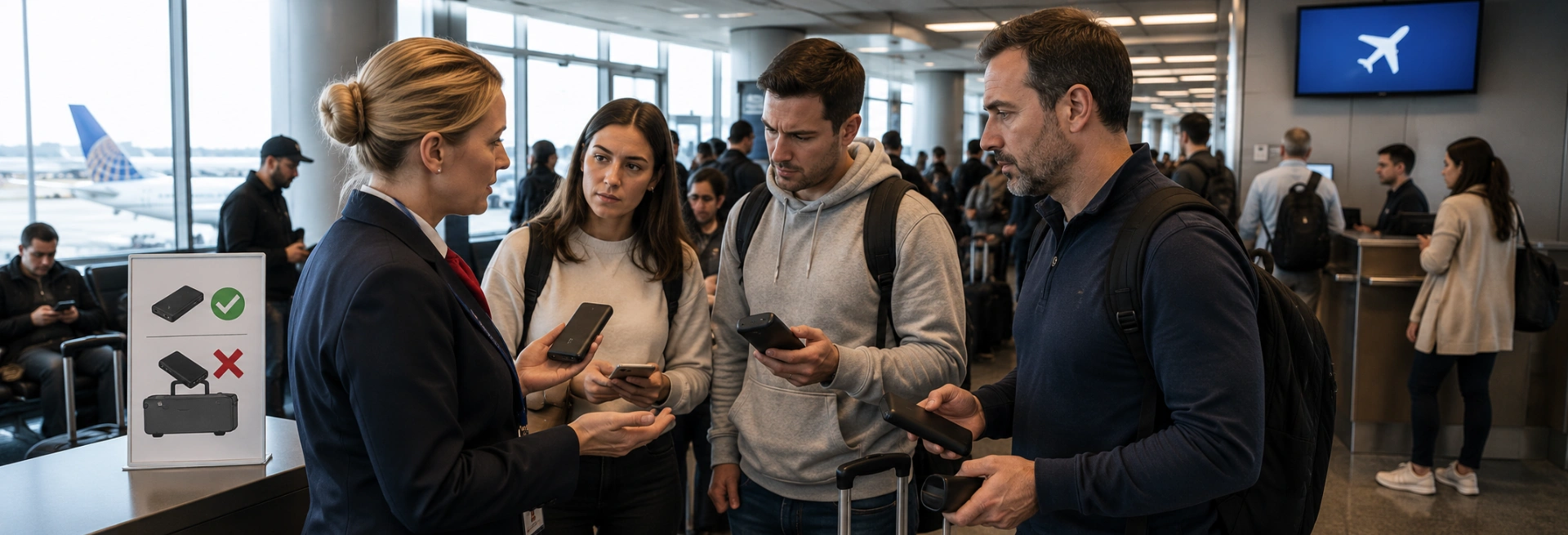
Travelers who rely on portable chargers during flights may need to pay closer attention before their next trip. Major U.S. airlines, including United Airlines, American Airlines, Delta Air Lines, Southwest Airlines, JetBlue, and Alaska Airlines, are tightening or reinforcing rules surrounding power banks and lithium-ion batteries as concerns about onboard battery fires continue to grow.
The changes come amid a broader industry push to improve aviation safety following a rise in incidents involving overheating portable chargers and lithium-ion batteries. International aviation authorities and airlines worldwide are introducing stricter guidelines aimed at reducing the risk of onboard battery-related emergencies. For travelers, the updates could affect how power banks are packed, stored, and used during flights.
Portable chargers have become an essential travel accessory for millions of passengers. However, they also contain lithium-ion batteries, which can pose a fire risk if damaged, overheated, or improperly handled. According to FAA records, incidents involving lithium batteries and portable chargers have increased significantly over the past decade, prompting regulators and airlines to review safety procedures. In 2026 alone, multiple verified incidents involving portable chargers were reported onboard commercial flights, reinforcing concerns about battery safety.
Unlike other items stored in checked baggage, lithium battery incidents are easier for cabin crews to detect and manage when the batteries remain inside the aircraft cabin. This is one of the primary reasons airlines and aviation authorities continue tightening restrictions on how power banks are transported and used during flights.
The most important rule remains unchanged: power banks and spare lithium batteries must travel in carry-on baggage and should never be placed in checked luggage. The FAA, TSA, and airlines continue enforcing this requirement because of the potential fire risk associated with lithium-ion batteries. Travelers who accidentally pack a power bank in checked baggage could face delays, baggage inspections, or confiscation of the device.
For most travelers, standard portable chargers under 100 watt-hours remain permitted in carry-on bags. Larger batteries between 100Wh and 160Wh may require airline approval, while batteries exceeding 160Wh are generally prohibited on passenger aircraft.
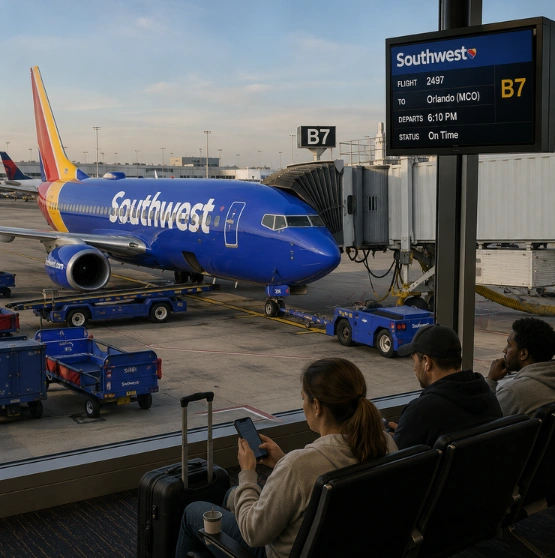
Among major U.S. carriers, Southwest Airlines has introduced some of the most visible new restrictions. Effective in 2026, Southwest limits passengers to one power bank, requires the device to remain in the cabin rather than overhead bins, prohibits charging power banks using onboard power outlets, and requires chargers to remain visible when in use. The airline says these measures are intended to improve crew response times if a battery overheats during flight.
The policy has attracted attention across the aviation industry because it represents one of the most proactive approaches currently being adopted by a major U.S. airline. Industry experts expect other carriers to continue reviewing their own battery safety procedures as safety concerns remain a priority.
American Airlines recently introduced restrictions preventing passengers from recharging power banks using aircraft power outlets or USB ports during flights. Delta Air Lines and Southwest have implemented similar restrictions as airlines seek to reduce the risk associated with charging lithium-ion batteries while airborne.
While United Airlines, JetBlue, and Alaska Airlines continue following FAA-compliant battery rules, the broader industry trend is moving toward tighter oversight of portable chargers and lithium batteries. Travelers should therefore review their airline's battery policy before departure, especially when flying internationally or on connecting itineraries involving multiple carriers.
In March 2026, the International Civil Aviation Organization (ICAO) announced updated guidance limiting passengers to two power banks and prohibiting the recharging of power banks during flights. While implementation can vary by airline and country, the announcement signals a growing global effort to standardize lithium battery safety measures across the aviation industry.
As airlines evaluate these recommendations, travelers may see additional restrictions introduced in the months ahead. Experts believe the focus will remain on reducing battery fire risks while allowing passengers to continue carrying essential electronic devices.
Passengers planning to travel with portable chargers should verify the watt-hour rating of their power bank, ensure it is packed in carry-on luggage, and review the latest airline-specific rules before departure. Travelers should also avoid carrying damaged, swollen, recalled, or malfunctioning batteries, as these devices present a higher safety risk and may be prohibited from travel.
For travelers carrying multiple electronic devices, checking battery requirements in advance can help prevent delays at airport security checkpoints and avoid unexpected issues at the gate. With airlines continuing to update policies, staying informed is becoming increasingly important for a smooth travel experience.
The new power bank restrictions reflect a broader shift across the aviation industry toward stronger lithium battery safety standards. While most travelers will still be able to carry portable chargers onboard, how those devices are packed, stored, and used during flights is becoming more tightly regulated.
For passengers, the message is simple: check your airline's latest battery policy before flying. As airlines continue strengthening safety measures, staying informed could help you avoid delays, prevent confiscations, and ensure a smoother travel experience on your next trip.
Travel trends, airline updates, and new regulations can all influence your travel experience. Whether you're booking flights, researching destinations, or preparing for an upcoming journey, MundoTrip is here to help you make informed travel decisions and discover travel options that fit your plans.
 20 Jun, 2026
American Airlines Flight Diverts to Waco: What Travelers Should Know
20 Jun, 2026
American Airlines Flight Diverts to Waco: What Travelers Should Know
 20 Jun, 2026
Frontier Expands Flights to Las Vegas, Boise and Oakland
20 Jun, 2026
Frontier Expands Flights to Las Vegas, Boise and Oakland
 20 Jun, 2026
JetBlue Expands Fort Lauderdale Flights as South Florida Travel Options Grow
20 Jun, 2026
JetBlue Expands Fort Lauderdale Flights as South Florida Travel Options Grow
 20 Jun, 2026
Southwest Ends Open Seating as Assigned Seats Roll Out for Phoenix Travelers
20 Jun, 2026
Southwest Ends Open Seating as Assigned Seats Roll Out for Phoenix Travelers
 20 Jun, 2026
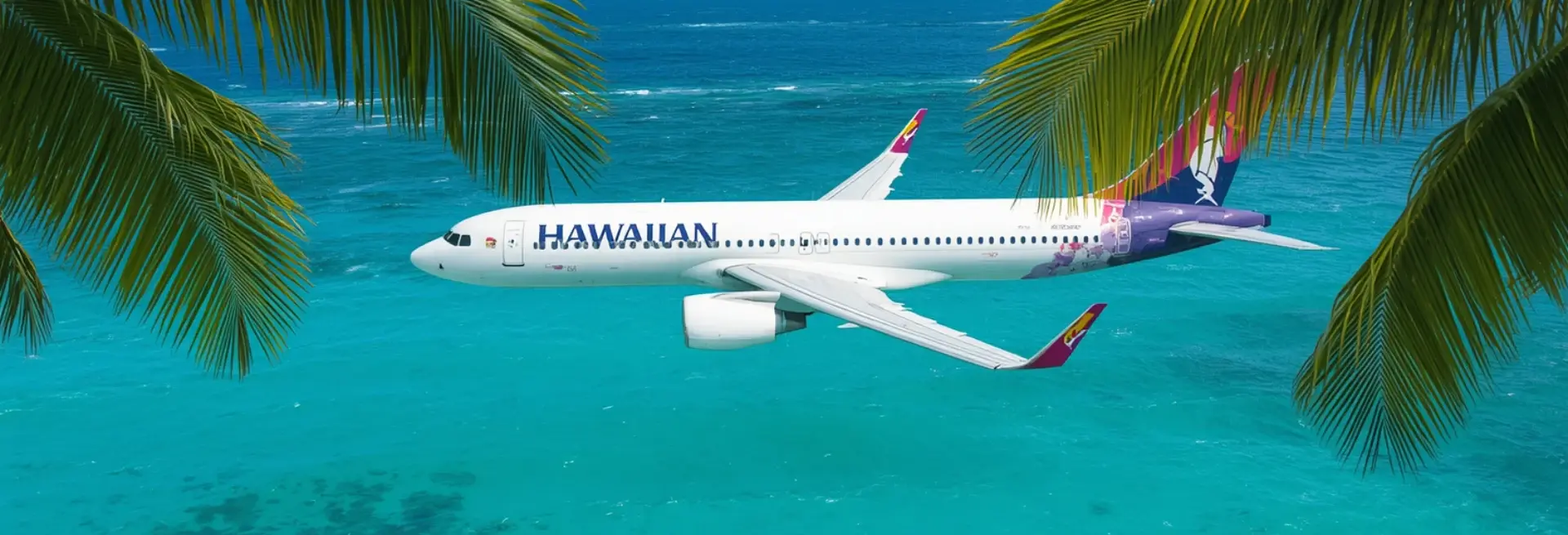
Hawaiian Airlines Ends Free Meals on Most Mainland Flights Starting July 1
20 Jun, 2026
Hawaiian Airlines Ends Free Meals on Most Mainland Flights Starting July 1


Got Questions? Call us 24/7!
1-866-331-1746
Email for Us!
support@mundotrip.com
35 Journal Square Suite 424, Jersey City, NJ 07306






Copyright © 2026 Mundo Trip registered in New Jersey, United States Of America