


 12 Jun, 2026
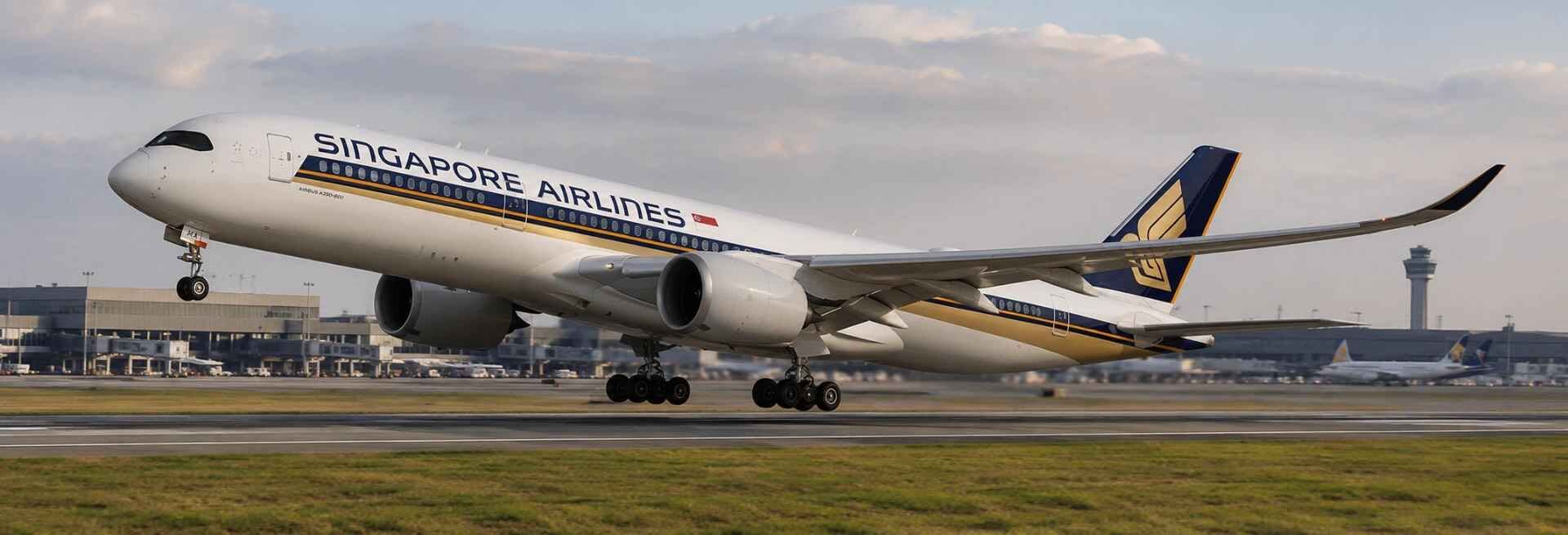
Singapore Airlines Upgrades Premium Economy for Long-Haul Flights
12 Jun, 2026
Singapore Airlines Upgrades Premium Economy for Long-Haul Flights
MundoTrip | Travel News | 3 June, 2026
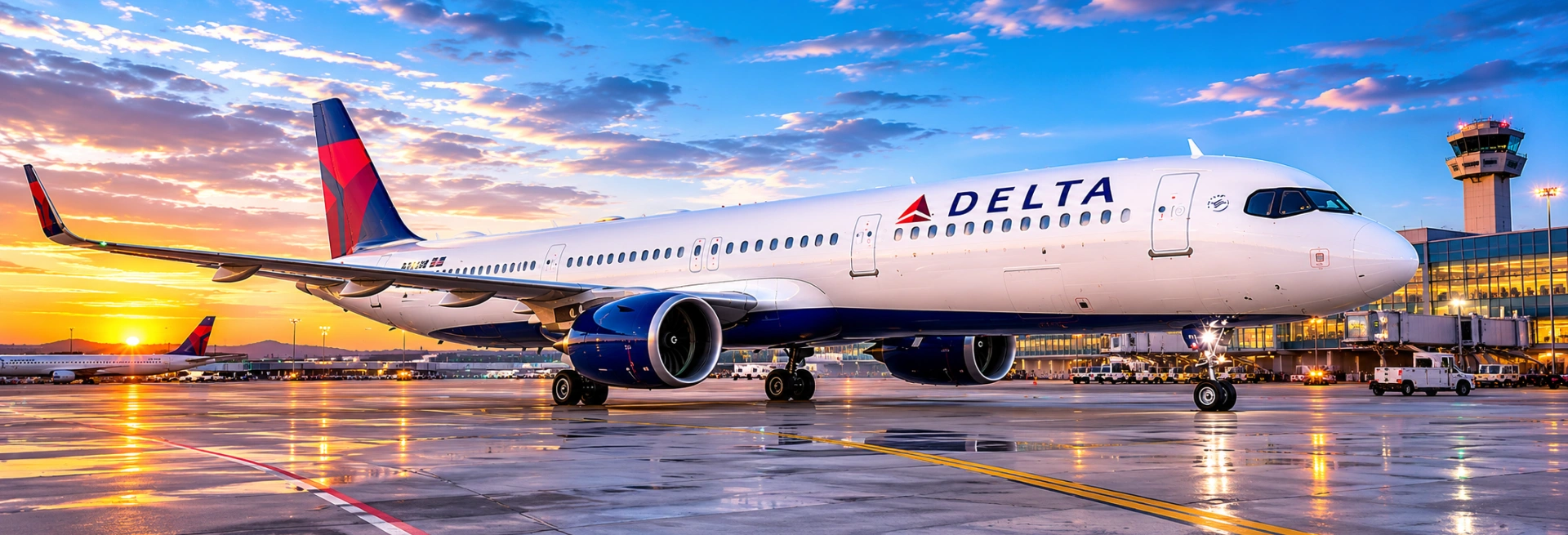
Delta Air Lines' plans to introduce a new premium travel experience on some of its most important domestic routes have encountered an unexpected challenge, creating uncertainty about when travelers will finally see the airline's next-generation business-class product enter service. The issue centers on Delta's new Airbus A321neo fleet, aircraft that were originally intended to feature a highly anticipated lie-flat Delta One business-class cabin designed specifically for premium transcontinental routes. However, ongoing certification delays involving the planned seat design have forced Delta to adopt a temporary solution that changes how these aircraft will be used in the near future. While the airline has not officially confirmed that it is abandoning the original seat program, reports indicate that the delays have become significant enough to require adjustments to deployment plans. For travelers, especially those who regularly fly between major cities such as New York, Los Angeles, and San Francisco, the situation raises important questions about the future of premium domestic travel and what they can expect when booking flights on Delta's newest aircraft.
The Airbus A321neo plays a crucial role in Delta's long-term strategy for premium domestic travel because the aircraft was designed to bridge the gap between traditional domestic First Class and the type of lie-flat business-class experience typically found on international routes. Delta intended to use these aircraft on high-demand transcontinental markets where travelers often spend five to six hours in the air and increasingly expect greater comfort, privacy, and premium amenities. Business travelers, frequent flyers, and premium leisure passengers have become accustomed to airlines offering elevated products on routes connecting major economic centers, and Delta's original vision for the aircraft reflected this growing demand. The introduction of lie-flat Delta One seating would have allowed the airline to compete more aggressively with other carriers that already offer premium transcontinental products. As a result, any delay affecting these aircraft directly impacts travelers who were expecting a more advanced onboard experience on some of the country's busiest and most competitive routes.
"Delta's newest Airbus A321neo aircraft were originally designed to introduce a new generation of premium transcontinental travel."
The issue stems from certification challenges involving the new Safran Vue seat that Delta had selected for the aircraft's premium cabin. Before any new airline seat can enter commercial service, it must undergo extensive testing and certification to ensure compliance with safety regulations and operational requirements. According to multiple aviation industry reports, the certification process has taken significantly longer than expected, preventing Delta from introducing the seats on schedule. While the airline has not publicly confirmed that it has abandoned the seat program, speculation within the aviation industry suggests Delta may eventually consider alternative seat options if the delays continue. At this stage, however, no official decision has been announced, and travelers should view reports of a permanent cancellation as unconfirmed. What is certain is that the certification delays have forced Delta to adjust its short-term plans for the aircraft while it continues evaluating the best path forward.
Rather than keeping the aircraft out of service while waiting for the certification process to conclude, Delta has chosen to deploy some of its A321neo aircraft with an alternative premium-heavy configuration. Instead of the originally planned Delta One lie-flat suites, the aircraft will feature an unusually large domestic First Class cabin with 44 recliner-style First Class seats, along with Comfort+ and Main Cabin seating. This configuration creates one of the most premium-focused narrowbody aircraft layouts currently operating in the United States and allows Delta to utilize the aircraft while maintaining a strong emphasis on premium travelers. Although passengers will not receive the fully lie-flat experience that was originally envisioned, the expanded First Class cabin may offer advantages such as increased seat availability, improved upgrade opportunities for frequent flyers, and more premium seating options on busy routes. For many travelers, the difference between a traditional recliner seat and a lie-flat business-class suite is significant, particularly on longer flights, making the final outcome of Delta's seat program an issue worth watching closely.
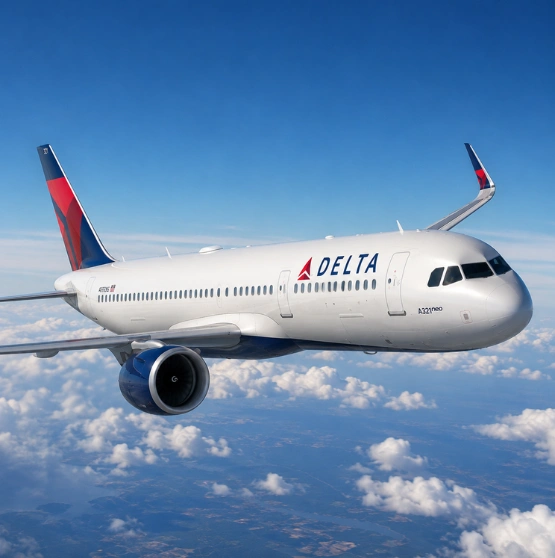
The delayed introduction of Delta's new premium seating is particularly relevant because these aircraft are expected to serve some of the airline's most important domestic markets. Routes connecting New York with Los Angeles, San Francisco, and other major business centers have become increasingly competitive as airlines seek to attract high-value travelers willing to pay for additional comfort and premium services. These passengers often include corporate travelers, technology professionals, entertainment industry executives, and frequent flyers who regularly cross the country for work or leisure. A lie-flat business-class product can significantly improve the travel experience on flights lasting five to six hours, particularly for travelers who need to work, rest, or arrive refreshed for meetings and events. While Delta's temporary configuration still offers a premium experience, it falls short of the international-style product that many travelers were expecting. As a result, the outcome of the certification process could ultimately influence how Delta competes in the premium transcontinental market in the years ahead.
The developments surrounding Delta's A321neo program reflect a broader trend within the US airline industry, where premium travel has become one of the fastest-growing segments of the market. Airlines increasingly recognize that travelers are willing to pay more for comfort, privacy, upgraded amenities, and enhanced onboard experiences, particularly on longer domestic flights. As a result, carriers have invested heavily in premium cabins, airport lounges, loyalty programs, and onboard services designed to attract business travelers and affluent leisure passengers. Competition among major airlines has intensified as carriers seek to differentiate themselves through product quality rather than relying solely on schedules and fares. Delta's efforts to introduce a new generation of premium seating demonstrate how important this market has become and why even relatively technical issues such as seat certification can have a meaningful impact on traveler expectations and airline strategy.
For now, travelers booking Delta flights should understand that the airline's new Airbus A321neo aircraft may not feature the originally planned Delta One lie-flat suites when they enter service. Instead, passengers may encounter the temporary premium-heavy First Class configuration while Delta continues working through certification challenges. Travelers seeking specific premium cabin experiences should review aircraft details and seat maps carefully before booking, as onboard products can vary depending on route, aircraft assignment, and operational requirements. Frequent flyers and business travelers may also want to monitor future announcements from Delta regarding the long-term plans for the A321neo fleet and any updates related to premium cabin configurations.
Travelers planning premium domestic journeys should pay close attention to aircraft types and cabin configurations when comparing flight options, particularly on long transcontinental routes where comfort can significantly impact the overall travel experience. As airlines continue introducing new aircraft and upgrading onboard products, the specific seat and cabin layout can sometimes be just as important as the airline itself. For assistance with premium cabin bookings, airline comparisons, loyalty program benefits, seat selection strategies, or complex domestic itineraries, MundoTrip's travel specialists remain available 24 hours a day, 7 days a week. Whether you're traveling for business, planning a cross-country trip, or searching for the best premium flight experience, MundoTrip can help travelers make informed decisions and stay updated on important airline developments.
Although the issue may appear technical at first glance, the future of Delta's A321neo premium cabin program has real implications for travelers who value comfort on longer domestic flights. The certification delays highlight the challenges airlines sometimes face when introducing new products, while also demonstrating how important premium travel has become within the US aviation market. For travelers, the situation serves as a reminder that aircraft design, cabin innovation, and onboard comfort continue to shape the future of air travel. Whether Delta ultimately proceeds with the original seat design or adopts a different solution, the airline's decisions will influence the premium experience available on some of the most heavily traveled routes in the United States.
 12 Jun, 2026
Singapore Airlines Upgrades Premium Economy for Long-Haul Flights
12 Jun, 2026
Singapore Airlines Upgrades Premium Economy for Long-Haul Flights
 12 Jun, 2026
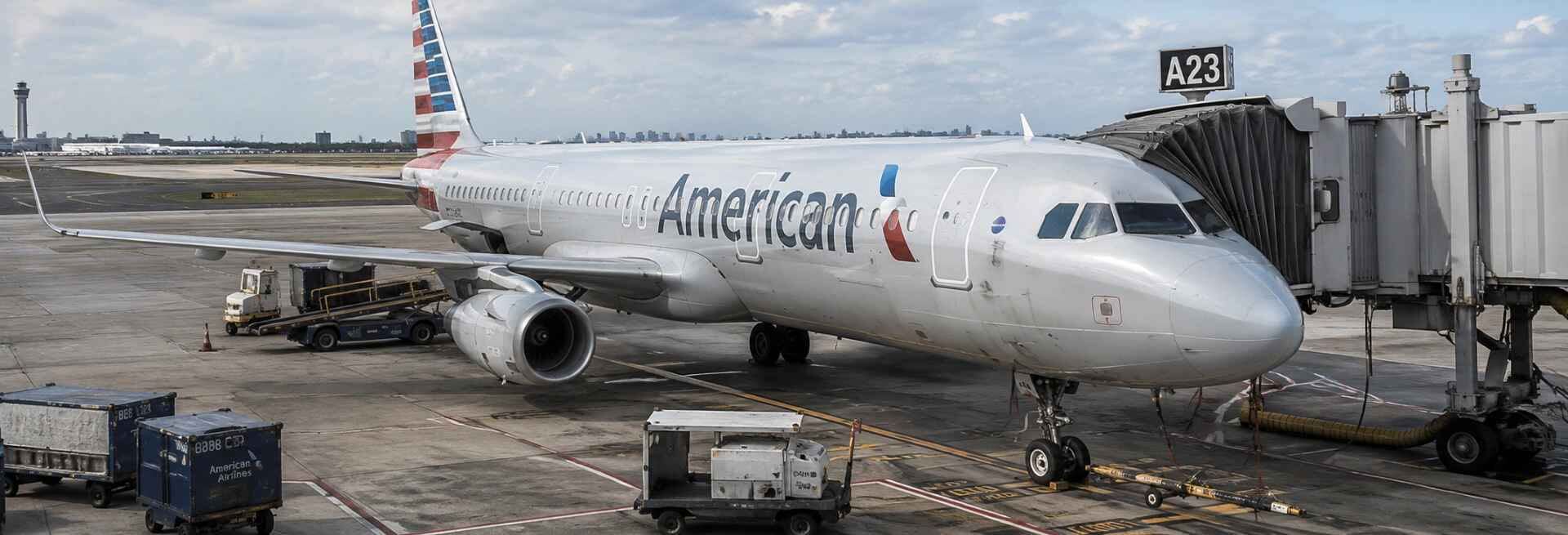
American Airlines Adds 27,000 Seats for FIFA World Cup 2026
12 Jun, 2026
American Airlines Adds 27,000 Seats for FIFA World Cup 2026
 12 Jun, 2026
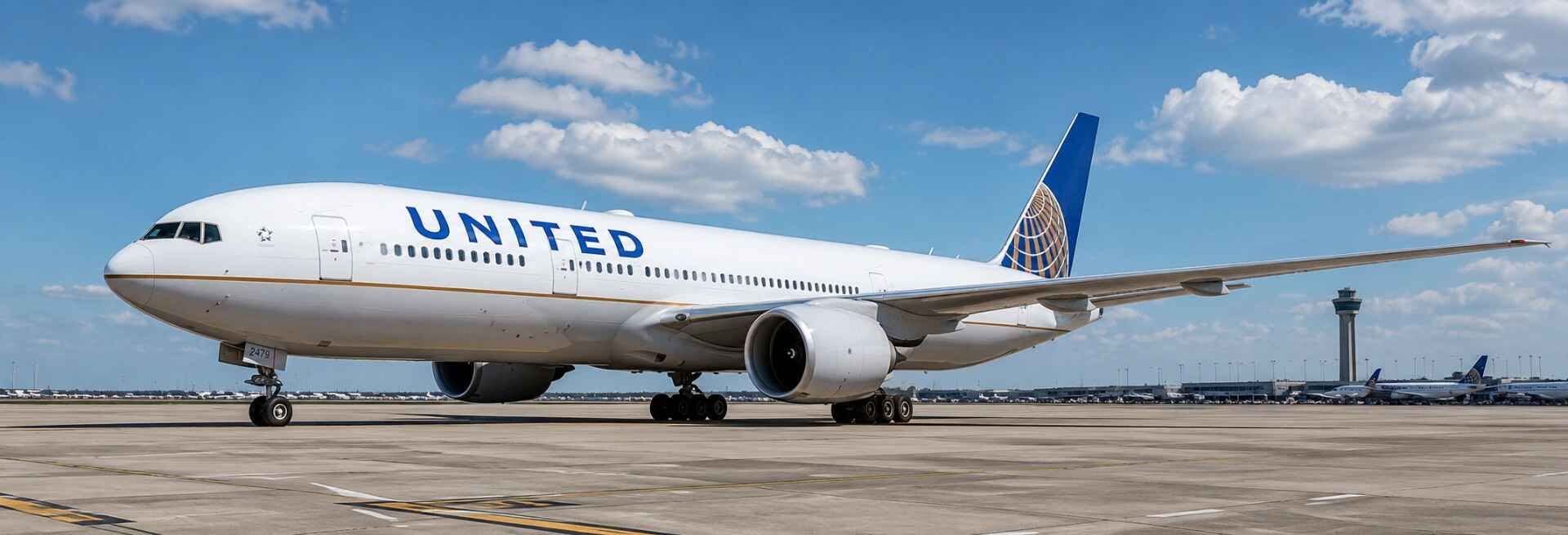
United May Introduce Blocked Middle Seats on Some Flights
12 Jun, 2026
United May Introduce Blocked Middle Seats on Some Flights
 12 Jun, 2026
Universal Studios Hollywood Plans America 250 Celebration
12 Jun, 2026
Universal Studios Hollywood Plans America 250 Celebration
 12 Jun, 2026
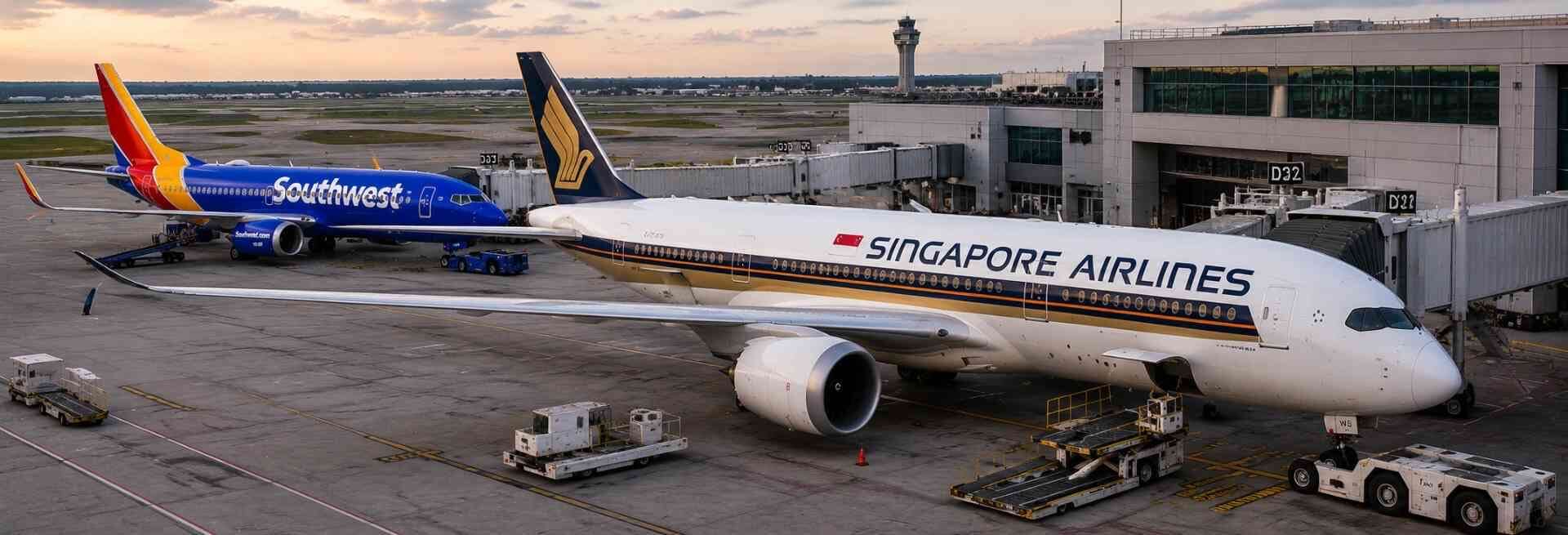
Singapore Airlines and Southwest Make Asia Travel Easier
12 Jun, 2026
Singapore Airlines and Southwest Make Asia Travel Easier


Got Questions? Call us 24/7!
1-866-331-1746
Email for Us!
support@mundotrip.com
35 Journal Square Suite 424, Jersey City, NJ 07306






Copyright © 2026 Mundo Trip registered in New Jersey, United States Of America