


 12 Jun, 2026
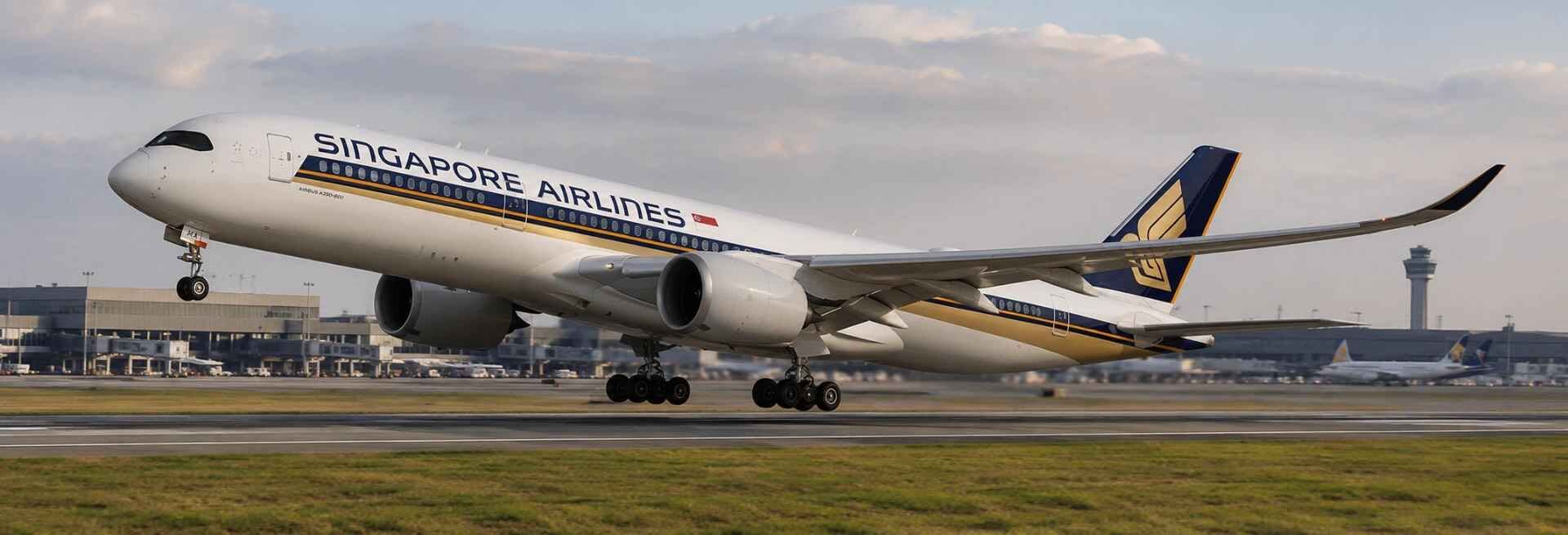
Singapore Airlines Upgrades Premium Economy for Long-Haul Flights
12 Jun, 2026
Singapore Airlines Upgrades Premium Economy for Long-Haul Flights
MundoTrip | Travel News | 4 June, 2026
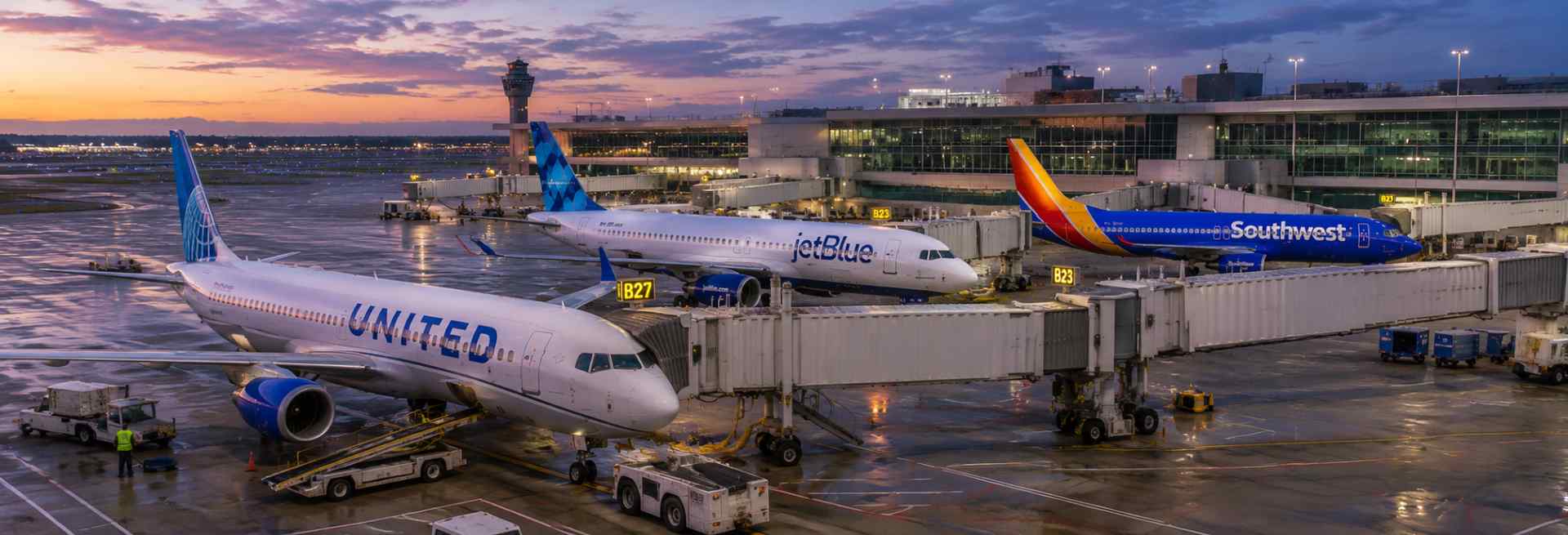
Travelers planning trips in the months ahead may face a changing aviation landscape as airlines around the world respond to rising jet fuel costs and increasing operational expenses. While global travel demand remains strong, carriers are increasingly being forced to balance profitability with network growth, leading some airlines to reduce capacity, adjust schedules, suspend underperforming routes, and reassess expansion plans. For travelers, these changes could translate into higher ticket prices, fewer nonstop flight options, and more schedule adjustments across both domestic and international markets. Although air travel remains widely available and airlines continue operating extensive networks, the latest developments highlight how economic pressures can directly affect the travel experience, making it more important than ever for passengers to stay informed when planning future trips.
Jet fuel remains one of the largest operating expenses for airlines, and recent increases in fuel costs have placed additional pressure on carriers across North America, Europe, and other regions. Beyond fuel, airlines continue managing rising labor expenses, airport charges, maintenance costs, and ongoing supply chain challenges affecting aircraft availability. While passenger demand remains resilient, many airlines are taking a more cautious approach to network planning by focusing on routes that generate stronger returns and adjusting services that may be less profitable during periods of higher operating costs. Industry analysts note that airlines regularly make these types of adjustments, but the current environment has intensified the focus on efficiency and profitability across the sector.
"Rising fuel costs are prompting airlines to carefully evaluate routes, capacity, and future growth plans."
For travelers, the most noticeable impact may come in the form of higher fares and reduced flight options on certain routes. When airlines remove flights or reduce capacity, fewer seats become available in the market, which can place upward pressure on prices, particularly during peak travel periods. Travelers may also find that some nonstop routes become less frequent or are replaced by connecting itineraries through major airline hubs. Schedule changes can become more common as airlines continue adjusting networks to reflect demand and operating costs. While most travelers are unlikely to experience major disruptions, those planning vacations, business trips, or holiday travel may benefit from booking earlier and remaining flexible with travel dates whenever possible.
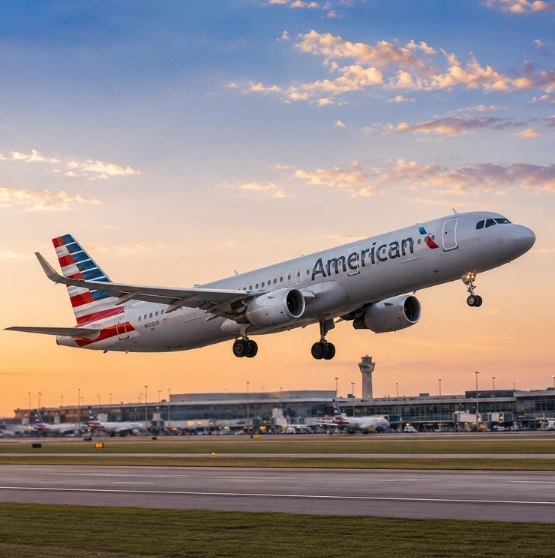
One of the clearest examples of how airlines are adjusting their networks comes from American Airlines, which recently announced the temporary suspension of six domestic routes between August and October 2026. The affected routes include Los Angeles–Cleveland, Los Angeles–Columbus, Los Angeles–Pittsburgh, Los Angeles–Washington Dulles, Charlotte–Ontario, and Charlotte–Sacramento. While these suspensions represent only a small portion of the airline's overall network, they highlight how carriers are becoming increasingly selective about where they deploy aircraft and capacity as operating costs continue to rise. Travelers who regularly use these routes may need to consider alternative schedules, connecting flights, or nearby airports during the suspension period. Although these changes affect a limited number of routes, they demonstrate how airlines are becoming increasingly selective about where they deploy aircraft and capacity.
As airlines continue adjusting schedules and reviewing route performance, travelers may benefit from booking flights sooner rather than later. With summer travel underway and major travel periods such as Labor Day, Thanksgiving, and the winter holiday season approaching, demand for flights is expected to remain strong across many domestic and international markets. At the same time, some airlines are reducing capacity on select routes, which could limit the number of available seats and flight options. Booking earlier can help travelers access a wider range of schedules, secure better fares, and avoid last-minute price increases. Travelers who wait until closer to departure may find fewer nonstop options, higher ticket prices, or reduced flexibility, particularly on routes where airlines have recently adjusted service levels.
The current aviation environment does not mean travelers should delay or avoid making travel plans. Instead, it reinforces the importance of staying informed and planning strategically. Travelers should monitor airline notifications, regularly review reservations for schedule updates, and consider booking flexible fares when possible. Comparing nearby airports, remaining flexible with departure dates, and securing flights earlier can also help travelers navigate potential changes more effectively. Those traveling on routes that have experienced recent adjustments should pay particular attention to airline communications to ensure they are aware of any changes that could affect their itineraries.
Travelers planning domestic or international trips in the second half of 2026 should review flight schedules carefully before booking and continue monitoring reservations after purchase. While airlines are expected to maintain extensive route networks, schedule adjustments and capacity changes may occur as carriers respond to market conditions. Booking early, maintaining flexibility, and staying informed about airline updates can help minimize disruptions and improve travel experiences. For assistance with flight bookings, airline comparisons, itinerary planning, schedule changes, or last-minute travel adjustments, MundoTrip's travel specialists remain available 24 hours a day, 7 days a week. Whether you're planning a family vacation, business trip, or international getaway, MundoTrip can help travelers navigate changing airline schedules and find the best available travel options.
For most travelers, the biggest takeaway is not that airlines are cutting flights, but that the aviation industry is adapting to a more challenging cost environment. Rising fuel expenses and operational pressures are encouraging airlines to focus on efficiency, resulting in targeted route changes and capacity adjustments rather than widespread service reductions. Travelers who plan ahead, remain flexible, and stay informed are likely to be best positioned to secure convenient schedules and competitive fares. As airlines continue refining their networks throughout 2026, understanding these industry trends can help travelers make smarter decisions and avoid surprises when planning future journeys.
 12 Jun, 2026
Singapore Airlines Upgrades Premium Economy for Long-Haul Flights
12 Jun, 2026
Singapore Airlines Upgrades Premium Economy for Long-Haul Flights
 12 Jun, 2026
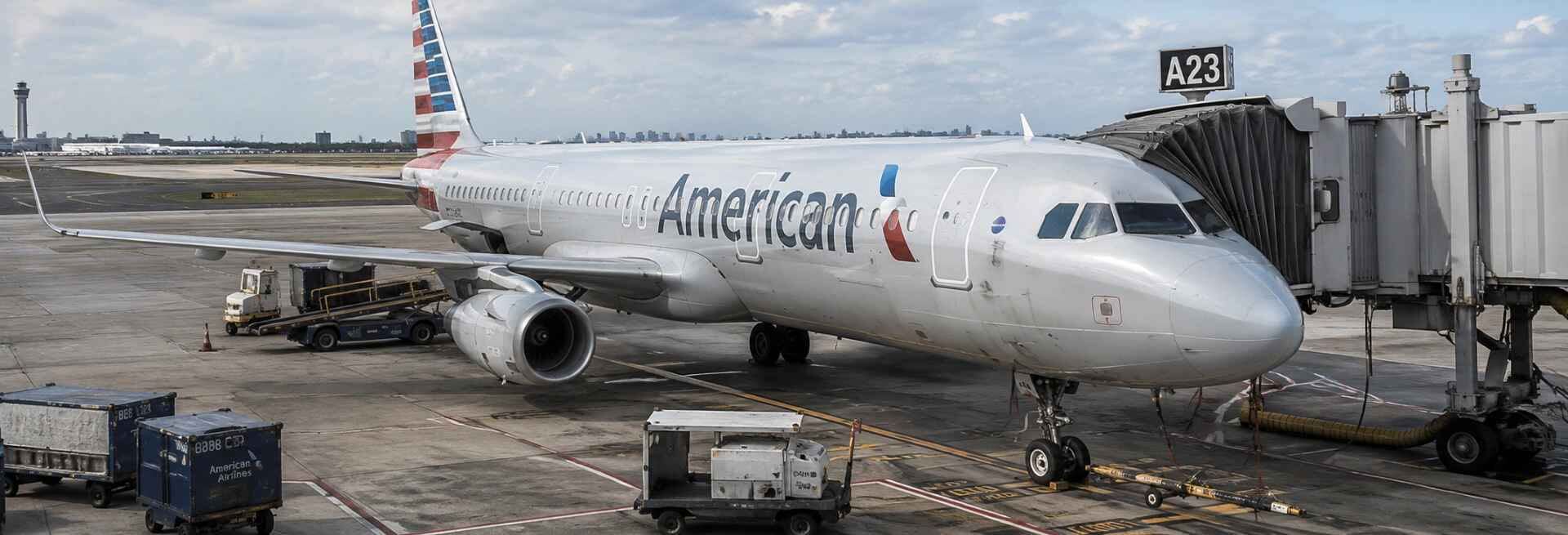
American Airlines Adds 27,000 Seats for FIFA World Cup 2026
12 Jun, 2026
American Airlines Adds 27,000 Seats for FIFA World Cup 2026
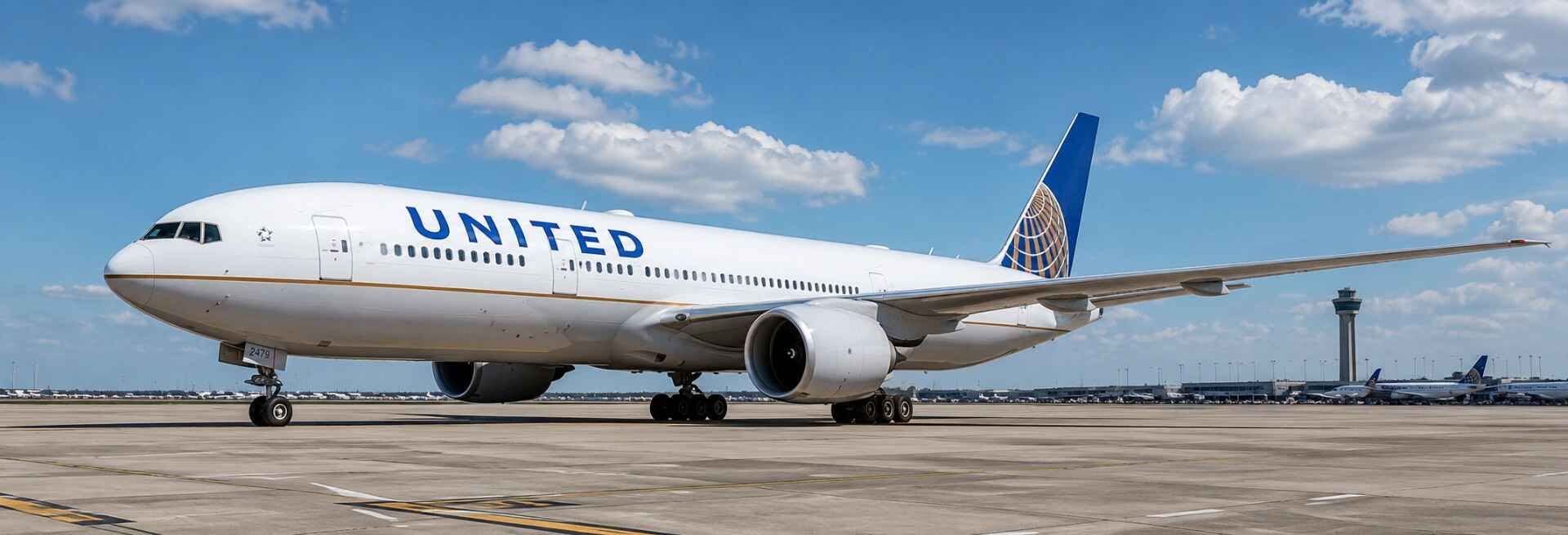 12 Jun, 2026
United May Introduce Blocked Middle Seats on Some Flights
12 Jun, 2026
United May Introduce Blocked Middle Seats on Some Flights
 12 Jun, 2026
Universal Studios Hollywood Plans America 250 Celebration
12 Jun, 2026
Universal Studios Hollywood Plans America 250 Celebration
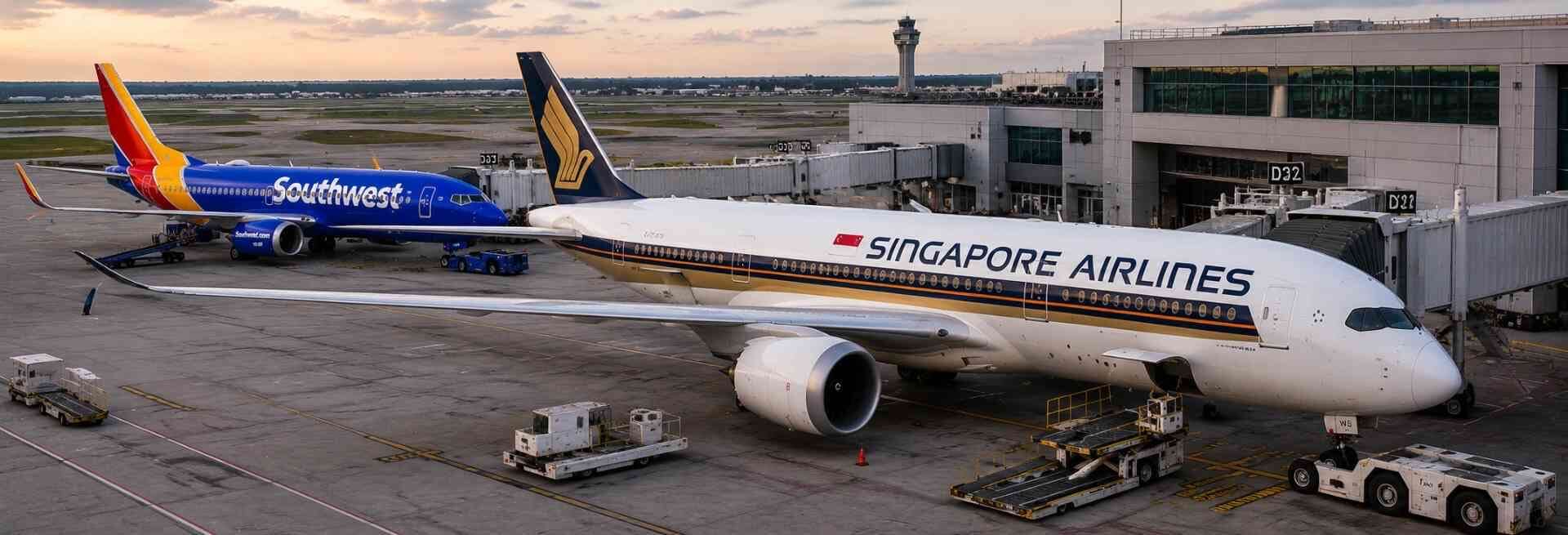 12 Jun, 2026
Singapore Airlines and Southwest Make Asia Travel Easier
12 Jun, 2026
Singapore Airlines and Southwest Make Asia Travel Easier


Got Questions? Call us 24/7!
1-866-331-1746
Email for Us!
support@mundotrip.com
35 Journal Square Suite 424, Jersey City, NJ 07306






Copyright © 2026 Mundo Trip registered in New Jersey, United States Of America