


 27 May, 2026
American Airlines Plans Starlink Wi-Fi Upgrade Across 500+ Flights
27 May, 2026
American Airlines Plans Starlink Wi-Fi Upgrade Across 500+ Flights
MundoTrip | Travel News | May 2026
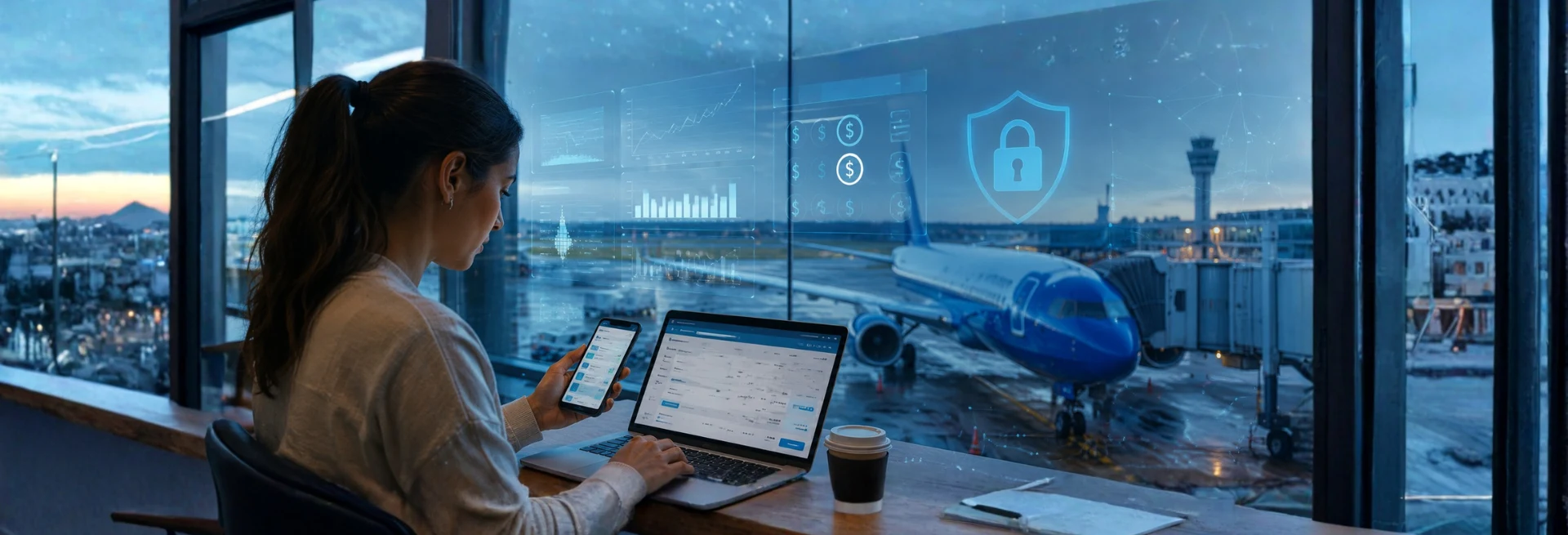
US travelers are increasingly questioning how airline ticket prices are determined after JetBlue Airways came under growing scrutiny over concerns related to customer data usage, dynamic pricing practices, and airfare transparency. The controversy has triggered wider discussions across the airline industry as lawmakers, privacy advocates, and travelers examine how airlines use digital systems, browsing behavior, and pricing algorithms when selling tickets online. Aviation experts say the issue has become highly relevant for American travelers because airfare prices now change constantly based on demand, competition, seat availability, and automated pricing systems, leaving many passengers concerned about whether online behavior or personal data could influence the prices they see while booking flights. The debate has also placed broader industry practices involving airlines such as United Airlines, Delta Air Lines, Frontier Airlines, Spirit Airlines, and Southwest Airlines into the public spotlight as travelers increasingly demand greater transparency around airfare pricing and digital privacy.
The controversy gained national attention after a viral online exchange involving JetBlue and a customer who claimed airfare prices increased significantly while trying to book travel for a family funeral. In response to the complaint, JetBlue’s social media account reportedly suggested clearing browser cookies or using incognito mode before later removing the post, which quickly sparked public debate about how airline pricing systems work. The incident fueled concerns among travelers about whether browsing history, cookies, or online behavior could potentially influence airfare prices shown during booking searches. Aviation analysts say the discussion spread rapidly because many travelers have long suspected that repeated searches for flights may affect pricing, even though airlines traditionally state that ticket prices are primarily determined by demand, route competition, seat inventory, and booking timing rather than individual personal profiles.
The online backlash also increased pressure on airlines to explain their pricing systems more clearly as travelers continue facing rising airfare costs across both domestic and international markets. Consumer rights advocates argue that greater transparency is becoming increasingly important as airlines rely more heavily on automated pricing technology, AI-powered forecasting systems, and advanced digital booking platforms.
The controversy eventually reached Washington after US lawmakers requested additional information from JetBlue regarding how the airline uses customer data, digital tracking systems, and pricing technology. Congressional concerns focused on broader questions surrounding so-called “surveillance pricing,” a term often used to describe situations where companies could theoretically use behavioral data, browsing activity, or customer information to influence individualized pricing. Aviation and privacy experts note that no evidence has publicly confirmed that JetBlue directly changes airfare prices based on personal customer data or browser cookies. However, lawmakers say travelers deserve clearer explanations regarding how airline pricing systems function and what types of customer information may be collected during the booking process.
JetBlue has publicly stated that its airfare pricing is based on market demand and seat availability rather than personal browsing behavior or cookies. The airline also denied allegations suggesting that individual passenger data directly determines airfare pricing. Industry analysts say dynamic pricing itself remains a standard and legal practice throughout the airline industry, with fares constantly adjusting based on demand, competition, travel dates, booking windows, route popularity, and remaining seat inventory.

Legal Pressure Mounts Over Airline Data Privacy
The growing debate surrounding airline pricing transparency has also led to legal scrutiny and lawsuits connected to data privacy concerns. Several legal complaints filed against JetBlue allege that customer data collection and tracking technologies may not have been fully disclosed to travelers during online booking activity. Aviation experts emphasize that these claims remain allegations and have not been legally proven. However, the lawsuits have intensified public attention surrounding how airlines and travel companies manage digital customer information in an era increasingly driven by AI systems, online tracking technology, and algorithm-based pricing models.
Travel industry specialists say the broader issue extends far beyond a single airline because digital pricing systems now play a major role across nearly every major travel platform, hotel network, airline website, and online booking service. Travelers are becoming more aware of how digital behavior, search history, and online activity may influence the broader travel shopping experience, even if airlines continue insisting that airfare prices are primarily driven by operational market conditions rather than individualized customer targeting
Aviation analysts say dynamic pricing has become one of the airline industry’s most important revenue management tools over the past two decades. Airlines continuously adjust fares based on factors including demand trends, competitor pricing, booking pace, seasonal travel patterns, airport congestion, route popularity, fuel costs, and available seat inventory. Modern AI-driven forecasting systems now allow airlines to change prices rapidly throughout the day depending on changing market conditions.
Industry experts note that major US carriers, including Delta Air Lines, United Airlines, Southwest Airlines, Frontier Airlines, and Spirit Airlines, all use advanced pricing systems to manage airfare sales and maximize seat revenue. However, JetBlue’s recent controversy has intensified broader public discussions about whether travelers fully understand how modern airfare pricing operates and how transparent airlines should be regarding customer data collection practices. Consumer advocates say travelers increasingly want simpler explanations regarding pricing fluctuations, hidden fees, and digital tracking systems used throughout online travel booking platforms.
The controversy arrives at a time when many American travelers are already frustrated by rising travel costs, fluctuating airfare prices, baggage fees, seat selection charges, and changing airline policies across the aviation industry. Travel analysts say consumers are becoming far more aware of digital privacy concerns and automated pricing systems because AI-powered technology is now deeply integrated into many aspects of travel planning and online commerce.
Frequent travelers, business passengers, and family vacation travelers often compare fares repeatedly while searching for the best prices, leading many passengers to question whether airlines track repeated searches or browsing patterns during the booking process. Aviation specialists note that while airlines publicly maintain that ticket prices are driven by market conditions rather than individual customer profiles, the controversy demonstrates how strongly travelers now care about digital privacy and pricing transparency during online travel shopping.
The growing scrutiny surrounding airline pricing and customer data remains highly relevant for US travelers because nearly every passenger now books flights through digital platforms, airline websites, mobile apps, or online travel agencies. Travelers increasingly want reassurance that airfare prices are fair, transparent, and not influenced by undisclosed data collection practices. The issue also reflects broader concerns about how AI systems, automated algorithms, and digital tracking technologies are reshaping the travel industry.
Aviation experts say the debate could eventually push airlines and regulators toward clearer communication regarding pricing systems, customer privacy protections, and data transparency standards throughout the US aviation market. Travelers may also become more cautious about how they search for flights, compare fares, and share personal data while booking trips online.
Industry analysts believe the JetBlue controversy could become an important turning point in how airlines discuss pricing systems and customer data practices publicly. As airlines continue investing in AI technology, dynamic pricing tools, digital personalization, and automated forecasting systems, public pressure for stronger transparency and clearer consumer protections is expected to grow across the broader travel industry.
Travel experts say airline pricing transparency will likely remain one of the aviation sector’s most closely watched consumer issues throughout 2026 as travelers continue demanding clearer answers regarding how modern airfare systems operate in an increasingly digital travel marketplace.
US travelers booking domestic or international flights during 2026 are encouraged to compare fares carefully, monitor airline policies, and review privacy settings while using travel booking websites and mobile apps. For flight bookings, airfare guidance, travel planning support, and 24x7 travel assistance, travelers can also connect with the MundoTrip team for updated travel support and personalized itinerary guidance.
 27 May, 2026
American Airlines Plans Starlink Wi-Fi Upgrade Across 500+ Flights
27 May, 2026
American Airlines Plans Starlink Wi-Fi Upgrade Across 500+ Flights
 27 May, 2026
Southwest Plans Premium Lounge at Austin Airport
27 May, 2026
Southwest Plans Premium Lounge at Austin Airport
 27 May, 2026
American Airlines Restores Nonstop Budapest Flights
27 May, 2026
American Airlines Restores Nonstop Budapest Flights
 27 May, 2026
United Launches Bradley to Houston Nonstop Flights
27 May, 2026
United Launches Bradley to Houston Nonstop Flights
 26 May, 2026
Delta Boston to Nice Nonstop Flights 2026 | French Riviera Travel
26 May, 2026
Delta Boston to Nice Nonstop Flights 2026 | French Riviera Travel


Got Questions? Call us 24/7!
1-866-331-1746
Email for Us!
support@mundotrip.com
35 Journal Square Suite 424, Jersey City, NJ 07306






Copyright © 2026 Mundo Trip registered in New Jersey, United States Of America