



 16 Oct, 2026
United Adds New Economy Plus Seats on Airbus A321XLR
16 Oct, 2026
United Adds New Economy Plus Seats on Airbus A321XLR
MundoTrip | Travel News | 26 May, 2026
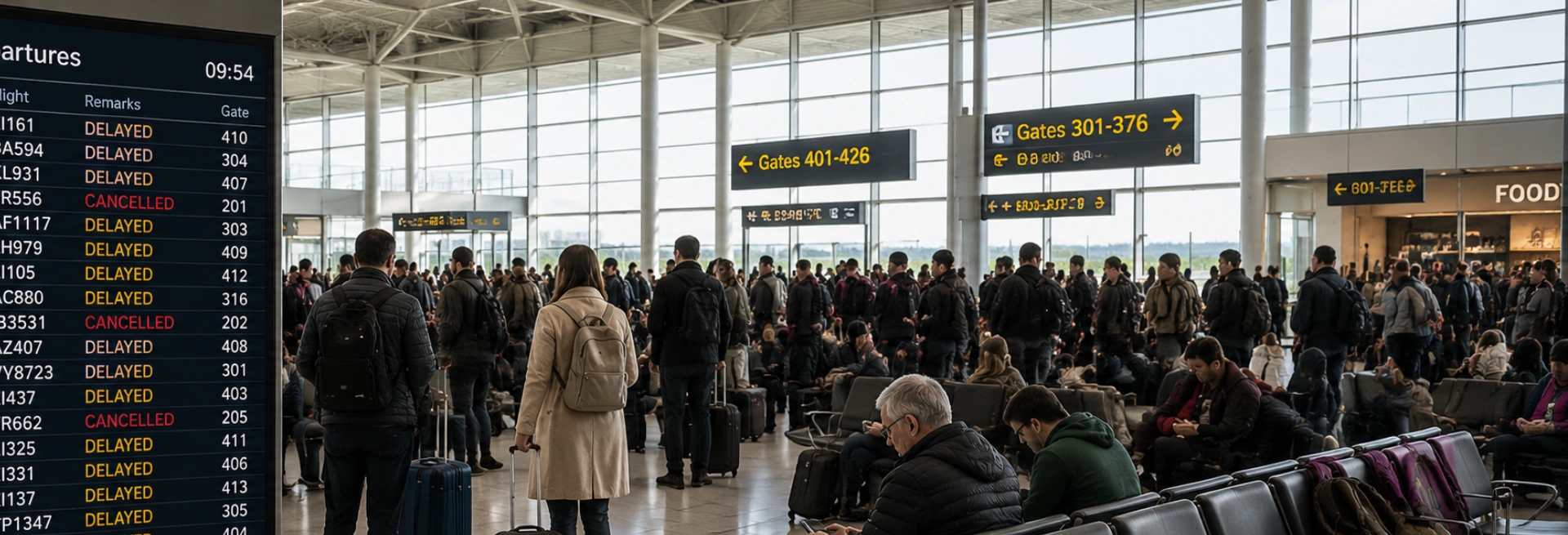
Millions of Americans traveling during the Memorial Day holiday weekend experienced widespread flight delays and cancellations as severe storms, heavy passenger traffic, and operational slowdowns disrupted air travel across the United States. Dallas Fort Worth International Airport emerged as one of the biggest pressure points during the holiday travel rush, with thunderstorms and FAA traffic management measures affecting airline schedules throughout Texas and beyond. Aviation experts say the disruptions quickly spread across the national airline network because DFW serves as one of the largest connecting hubs in North America, especially for American Airlines, which operates a major portion of its domestic and international flights through the airport. Travelers flying through major hubs, including Dallas, Chicago, Atlanta, Newark, Houston, Denver, Los Angeles, and New York, experienced longer wait times, delayed departures, missed connections, and crowded airport terminals during one of the busiest travel periods of the year.
Dallas Fort Worth International Airport expected approximately 1.6 million passengers to travel through the airport during the Memorial Day holiday period, making it one of the busiest weekends of the year for US air travel. As passenger traffic surged across the airport, severe thunderstorms and unstable weather conditions across North Texas created major operational challenges for airlines and airport authorities. FAA traffic management programs and temporary ground delays were introduced as storms moved through the region, slowing aircraft arrivals and departures while air traffic controllers managed safe flight operations during dangerous weather conditions. Hundreds of flights were delayed or canceled as airlines struggled to maintain schedules while dealing with storm activity, runway congestion, and increased holiday passenger demand.
Aviation analysts say DFW plays a critical role within the US airline system because it functions as one of the largest domestic and international connecting hubs in the country. When operations slow down at Dallas-Fort Worth, disruptions can quickly spread across airline networks nationwide because aircraft schedules, crew rotations, and passenger connections are tightly linked between major airports. Travel experts say the holiday timing made the situation even more difficult because airlines were already operating near maximum capacity during one of the heaviest travel weekends of the summer season.
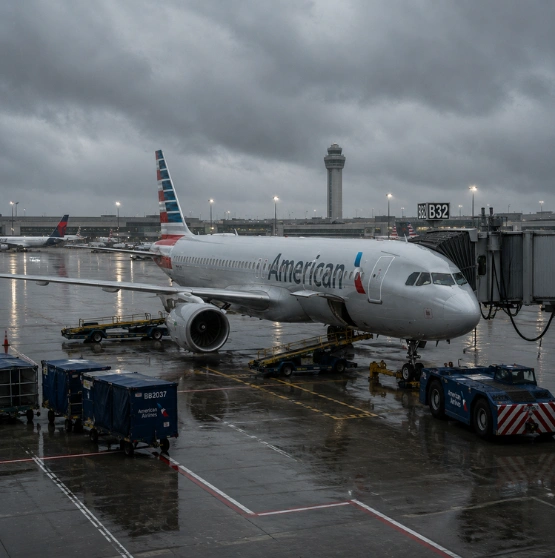
American Airlines experienced some of the biggest disruption levels during the Memorial Day travel period because DFW remains the airline’s primary operational hub. Large numbers of American Airlines flights experienced delays and cancellations as severe weather conditions moved across Texas and surrounding regions. Aviation experts say disruptions involving American’s Dallas operations often affect travelers nationwide because the airline schedules hundreds of daily connections through DFW linking passengers between major US cities, regional airports, and international destinations.
Passengers traveling through Dallas reported missed connections, longer gate wait times, delayed departures, and difficulty securing alternate flights because many later departures were already heavily booked during the holiday rush. Travel industry analysts note that recovery operations during severe weather events become especially complicated during busy travel weekends because airlines have limited extra aircraft availability and fewer open seats for rebooking passengers onto alternate flights.
Severe Weather Was the Main Cause of the Disruptions
Aviation specialists emphasize that the widespread delays were primarily caused by severe weather conditions rather than any nationwide airspace shutdown or aviation system failure. Thunderstorms, lightning risks, low visibility, heavy rainfall, and dangerous storm systems forced the FAA to slow traffic flow through several major air corridors in Texas and nearby regions. Aviation experts say these safety-related slowdowns are common during major storm events because air traffic controllers must carefully regulate aircraft spacing and runway usage whenever dangerous weather threatens flight operations.
The severe weather also arrived during one of the busiest travel weekends of the year, amplifying the impact on airport operations nationwide. Airports across the United States experienced crowded security checkpoints, packed boarding gates, heavy roadway congestion, and long passenger lines as millions of Americans traveled for vacations, family gatherings, cruises, and holiday events throughout the extended Memorial Day weekend.
Although Dallas-Fort Worth became one of the biggest disruption centers during the holiday period, the operational impact quickly spread across broader airline networks throughout the country. Airports, including Chicago O’Hare, Atlanta, Newark, Denver, Houston, Philadelphia, Los Angeles, and New York, experienced elevated delays as aircraft and crew scheduling issues expanded beyond Texas. Aviation experts say modern airline systems are highly interconnected, meaning disruptions at one major hub can rapidly affect flights operating across multiple states and regions.
Travel analysts say passengers flying on connecting itineraries were among the most heavily affected because even short delays at hub airports often caused missed onward flights and longer recovery times later in the journey. Some travelers were forced to wait several additional hours for rebooked departures as airlines worked to reposition aircraft and stabilize schedules during the peak holiday travel period.
Travel advisors continue encouraging passengers to monitor airline notifications, weather alerts, and airport updates closely as the busy Summer 2026 travel season continues. Aviation experts say thunderstorm season across Texas, Florida, the Midwest, and the East Coast can create sudden operational disruptions during the summer months, especially when airports are already handling elevated passenger traffic. Travelers are also encouraged to arrive earlier than usual for flights, allow extra connection time for layovers, and review airline rebooking policies before departure during busy travel periods.
Industry specialists note that airlines often issue weather waivers during major storms, allowing passengers to change flights without additional fees when severe weather significantly impacts airport operations. Travel experts say flexible itineraries and real-time flight monitoring have become increasingly important tools for travelers navigating busy summer airline schedules.
The Memorial Day disruptions remain highly relevant for American travelers because they demonstrate how quickly severe weather and airport congestion can affect airline operations across the country during peak travel seasons. DFW serves as one of the most important aviation hubs in North America, connecting millions of passengers every year across domestic and international airline networks. Aviation analysts say the disruptions also highlight the growing pressure facing airlines and airports as passenger demand continues rising throughout 2026.
Travel industry experts expect airports across the United States to remain extremely busy throughout the summer as vacation travel, international tourism, cruise departures, and business travel continue increasing nationwide. Travelers flying through major airline hubs are encouraged to remain flexible and closely monitor airline communications during periods of severe weather or operational congestion.
US travelers flying during the Summer 2026 travel season are encouraged to monitor airline notifications, airport updates, and weather alerts regularly, especially during severe storm periods and holiday weekends. For flight bookings, rebooking assistance, international travel planning, and 24x7 travel support during airline disruptions, travelers can also connect with the MundoTrip team for updated travel guidance and personalized itinerary assistance.
 16 Oct, 2026
United Adds New Economy Plus Seats on Airbus A321XLR
16 Oct, 2026
United Adds New Economy Plus Seats on Airbus A321XLR
 16 Oct, 2026
Cathay Pacific Expands Airbus A350 Flights to Hong Kong
16 Oct, 2026
Cathay Pacific Expands Airbus A350 Flights to Hong Kong
 16 Oct, 2026
JetBlue Expands Fort Lauderdale, Scales Back Newark
16 Oct, 2026
JetBlue Expands Fort Lauderdale, Scales Back Newark
 16 Oct, 2026
New Nonstop Flights Connect New York and St. Croix
16 Oct, 2026
New Nonstop Flights Connect New York and St. Croix
 16 Oct, 2026
Air Canada Launches Chicago to Toronto Flights
16 Oct, 2026
Air Canada Launches Chicago to Toronto Flights




















Got Questions? Call us 24/7!
1-866-331-1746
Email for Us!
support@mundotrip.com
35 Journal Square Suite 424, Jersey City, NJ 07306






Copyright © 2026 Mundo Trip registered in New Jersey, United States Of America