


 12 Jun, 2026
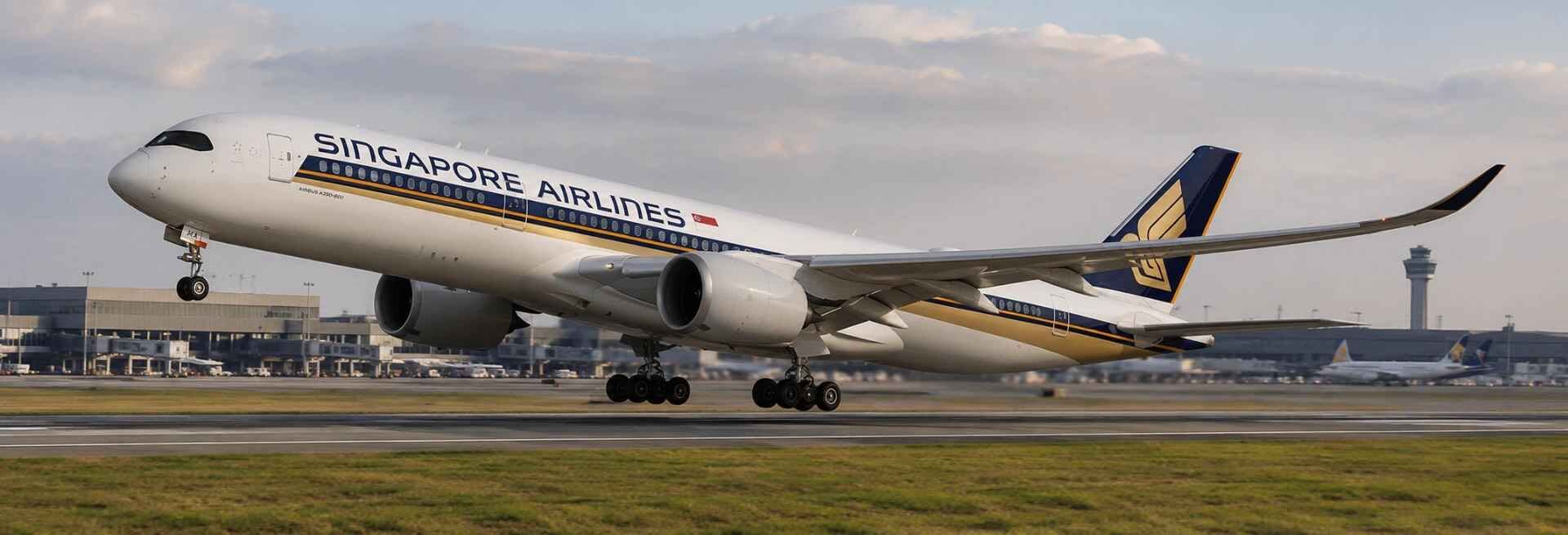
Singapore Airlines Upgrades Premium Economy for Long-Haul Flights
12 Jun, 2026
Singapore Airlines Upgrades Premium Economy for Long-Haul Flights
MundoTrip | Travel News | 10 June 2026
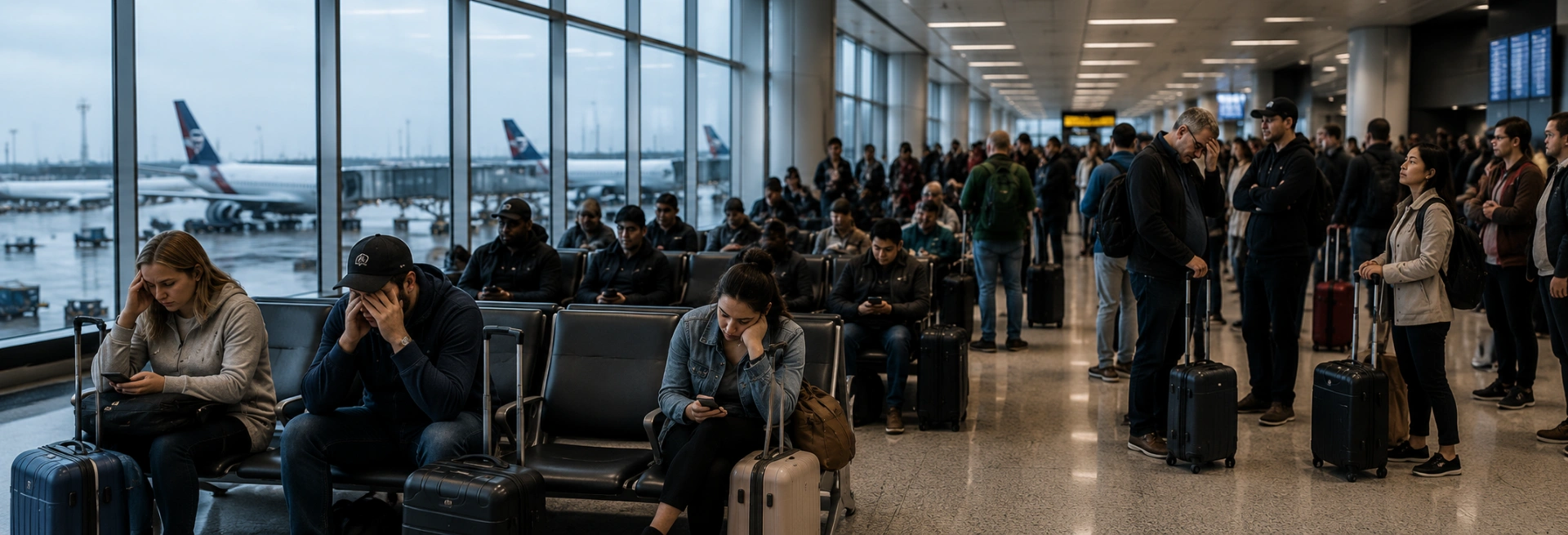
Thousands of air travelers across the United States are experiencing flight disruptions as delays and cancellations affect major airports from the East Coast to the West Coast. Airports in Chicago, New York, Dallas, Houston, Charlotte, Orlando, Anchorage, and San Diego have reported operational challenges impacting both domestic and international travel. Major carriers including American Airlines, Delta Air Lines, Southwest Airlines, United Airlines, Alaska Airlines, Air Canada, and several regional airlines have all been affected as airlines work to manage network congestion, weather-related challenges, and strong summer travel demand. Recent FAA advisories have also warned of potential weather-related delays at several major hubs, creating additional uncertainty for travelers.
The latest disruptions are not limited to a single airport or airline. Instead, they reflect how interconnected the modern aviation system has become. Many of the airports experiencing delays serve as major connecting hubs, meaning disruptions in one city can quickly spread throughout airline networks. Travelers flying through Chicago, New York, Dallas, Houston, Charlotte, and San Diego may encounter schedule changes even if their departure airport is operating normally.
When aircraft arrive late, airlines often need to adjust subsequent departures, aircraft assignments, and crew schedules. This creates a ripple effect that can impact flights across multiple states and international destinations. For passengers with connecting itineraries, even a relatively short delay can increase the risk of missed connections and longer travel times.
Weather remains one of the leading causes of flight delays across the United States, especially during the busy summer travel season. According to the FAA, thunderstorms and changing weather conditions have the potential to impact airport operations in several major markets, including New York, Atlanta, Charlotte, Detroit, Denver, Seattle, and San Francisco. Even when severe weather affects only one region, airlines often need to reposition aircraft and crews, which can create delays throughout their networks.
Operational factors can also contribute to disruptions. Air traffic flow restrictions, airport congestion, runway limitations, and aircraft scheduling challenges all play a role in how efficiently airlines can recover from delays. Because airlines operate tightly coordinated schedules, disruptions can sometimes continue long after weather conditions improve. Travelers should therefore be aware that flight delays are not always caused by conditions at their departure airport alone.
Passengers flying with American Airlines, Delta Air Lines, Southwest Airlines, United Airlines, Alaska Airlines, and regional carriers have all experienced schedule disruptions as airlines work to manage changing operating conditions. Because many carriers rely on large hub-and-spoke networks, disruptions at major airports can affect flights across the country.
Regional airlines are particularly important in this system because they connect smaller communities to larger hubs. When delays affect regional operations, travelers may miss onward connections to domestic and international destinations. During periods of strong travel demand, finding alternative flights can become more challenging, especially when aircraft are already operating near capacity. This is why widespread disruptions often impact travelers far beyond the airports where delays first begin.
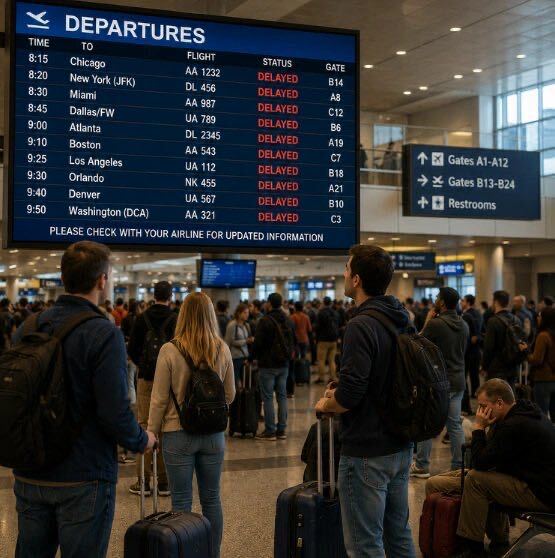
Large hub airports such as Chicago O'Hare, Dallas-Fort Worth, Houston Intercontinental, Charlotte Douglas, and New York-area airports serve as critical gateways within the U.S. aviation system. Every day, these airports handle thousands of flights and connect millions of travelers to destinations across the country and around the world.
When operations slow at one of these hubs, the effects can spread quickly. Aircraft scheduled to operate multiple flights throughout the day may arrive late at subsequent destinations, while crews and passengers may miss planned connections. International travelers can face additional challenges if delays affect customs processing, onward flights, or overnight itineraries. Because these airports play such an important role in national air travel, disruptions often have consequences that extend far beyond the local market.
The latest disruptions are occurring during one of the busiest travel periods of the year. Millions of Americans are traveling for vacations, family visits, business trips, and international holidays, increasing pressure on airports and airline operations. Higher passenger volumes often leave airlines with less flexibility to recover from disruptions because flights are operating with fuller schedules and limited spare capacity.
As a result, delays that might normally be resolved quickly can sometimes take longer to clear during peak travel periods. Travelers should expect airports to remain busy throughout the summer and allow additional time for check-in, security screening, and connections. Advance planning can be especially valuable when flying through major hubs that regularly experience high passenger traffic.
Travelers flying in the coming days should monitor their flight status before leaving for the airport. Checking airline mobile apps, signing up for flight alerts, and reviewing airport conditions can help passengers stay informed about potential changes. Travelers with connecting itineraries should allow extra time whenever possible and remain flexible if schedules are adjusted.
It is also advisable to verify gate assignments before departure, as airlines frequently make changes throughout the day while responding to operational challenges. Keeping important travel documents accessible and maintaining awareness of airline notifications can help reduce stress if disruptions occur. Travelers with international connections should pay particular attention to schedule updates to avoid missing onward flights.
The latest wave of delays and cancellations serves as a reminder of how interconnected the U.S. aviation system has become. Weather events, operational constraints, and strong travel demand can quickly affect flights across multiple airports and airline networks. While airlines continue working to restore normal operations and minimize disruption, travelers who stay informed and prepare for potential schedule changes are often better positioned to manage unexpected delays.
As summer travel continues, flexibility, advance planning, and regular flight monitoring remain some of the most effective ways to navigate today's travel environment. For passengers flying through major U.S. hubs, keeping an eye on airline notifications and airport conditions could make a significant difference in ensuring a smoother journey.
With airlines continuing to expand routes and international connectivity, travelers now have more options than ever before. Whether you're planning a trip to Europe, Asia, Australia, or beyond, MundoTrip's travel specialists can help you compare routes, find competitive fares, and build the ideal itinerary for your next adventure.
 12 Jun, 2026
Singapore Airlines Upgrades Premium Economy for Long-Haul Flights
12 Jun, 2026
Singapore Airlines Upgrades Premium Economy for Long-Haul Flights
 12 Jun, 2026
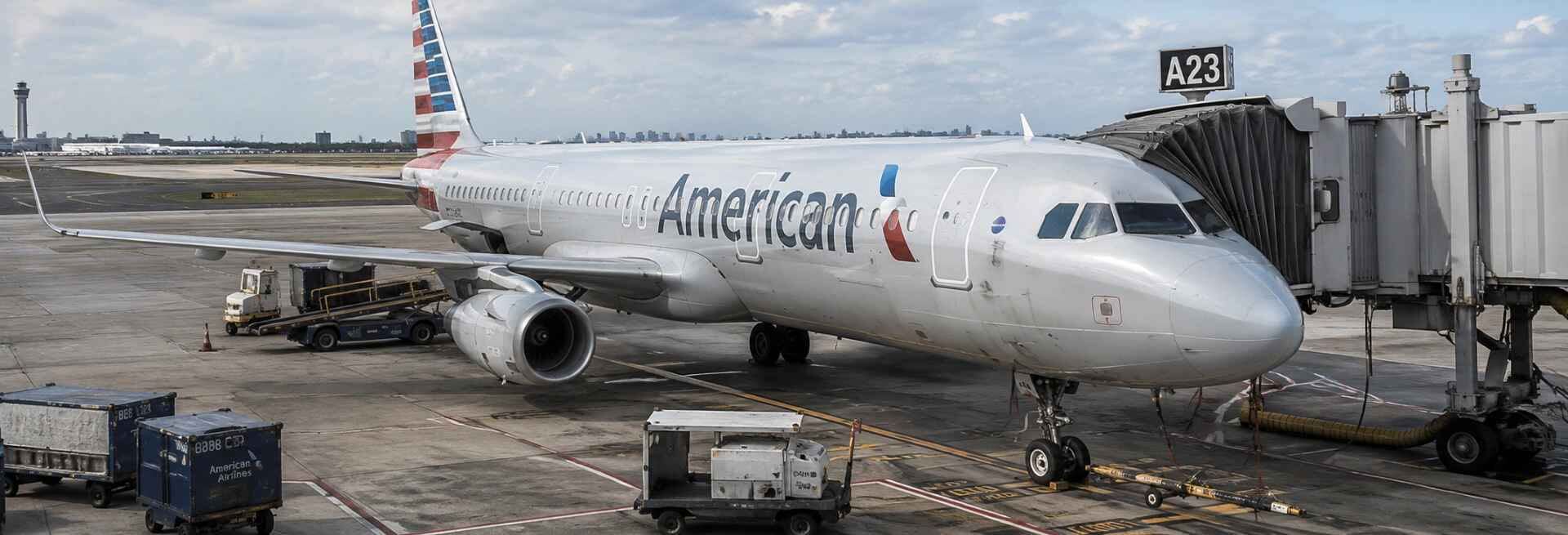
American Airlines Adds 27,000 Seats for FIFA World Cup 2026
12 Jun, 2026
American Airlines Adds 27,000 Seats for FIFA World Cup 2026
 12 Jun, 2026
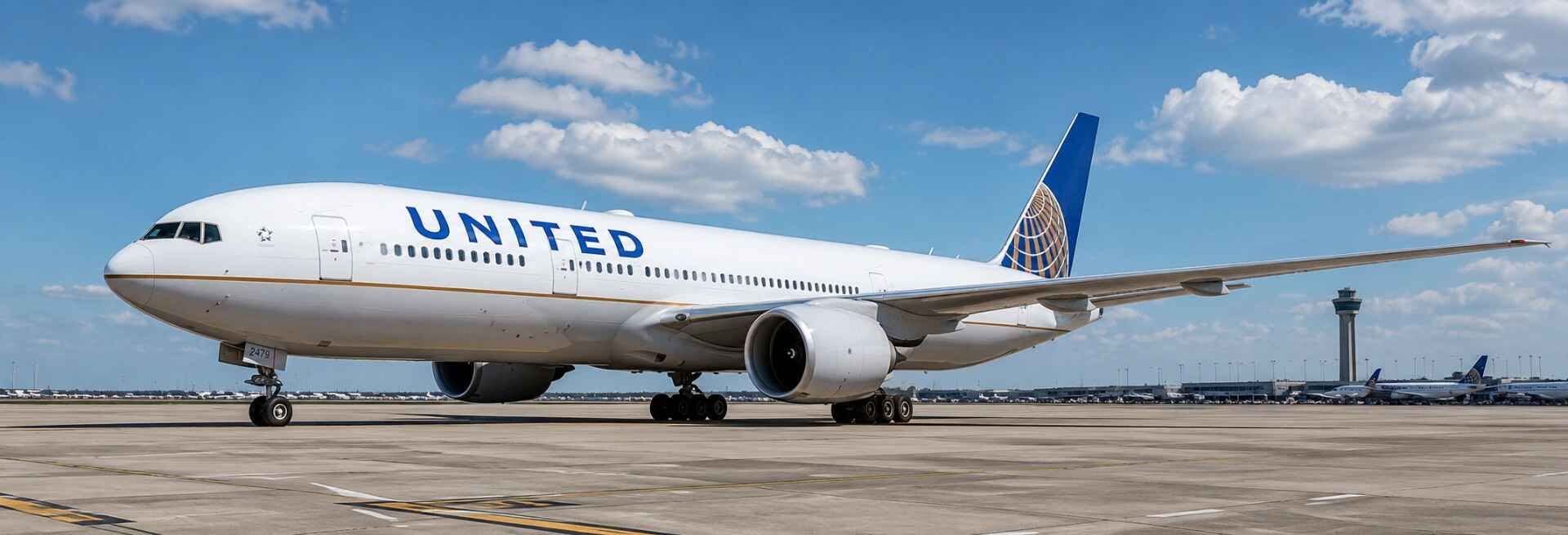
United May Introduce Blocked Middle Seats on Some Flights
12 Jun, 2026
United May Introduce Blocked Middle Seats on Some Flights
 12 Jun, 2026
Universal Studios Hollywood Plans America 250 Celebration
12 Jun, 2026
Universal Studios Hollywood Plans America 250 Celebration
 12 Jun, 2026
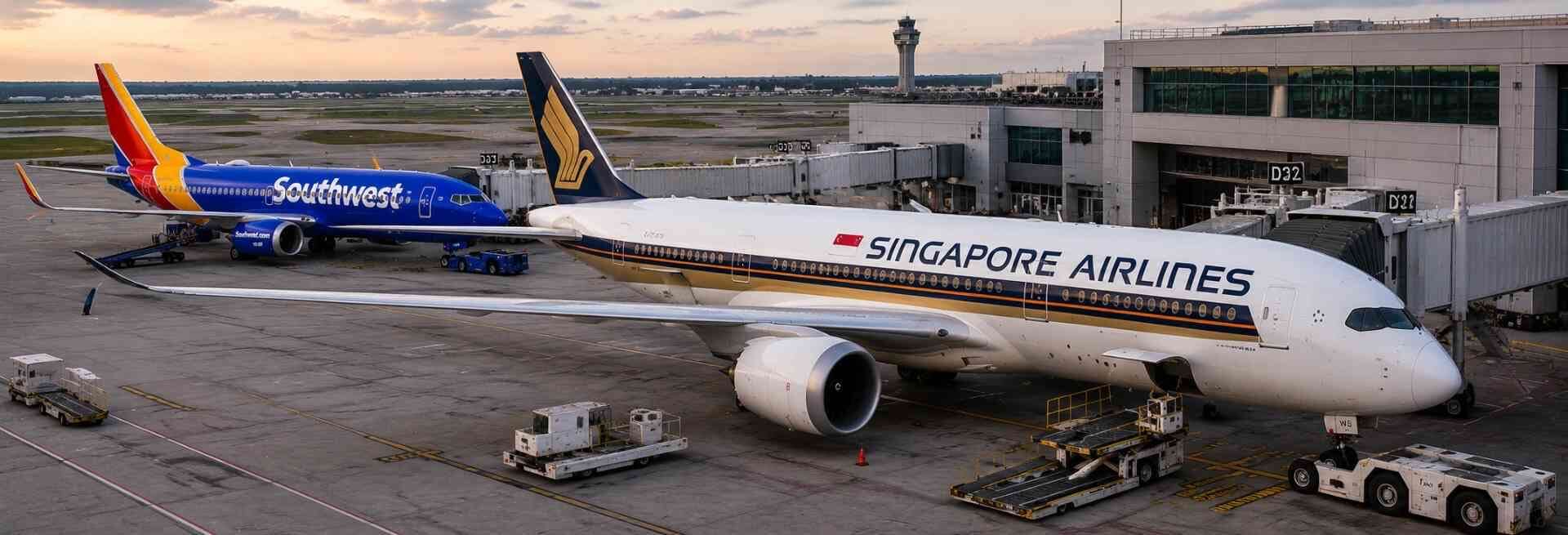
Singapore Airlines and Southwest Make Asia Travel Easier
12 Jun, 2026
Singapore Airlines and Southwest Make Asia Travel Easier


Got Questions? Call us 24/7!
1-866-331-1746
Email for Us!
support@mundotrip.com
35 Journal Square Suite 424, Jersey City, NJ 07306






Copyright © 2026 Mundo Trip registered in New Jersey, United States Of America