


 11 Jun, 2026
Air Canada's Long-Haul Expansion Creates More Asia Travel Options
11 Jun, 2026
Air Canada's Long-Haul Expansion Creates More Asia Travel Options
MundoTrip | Travel News | 11 June 2026
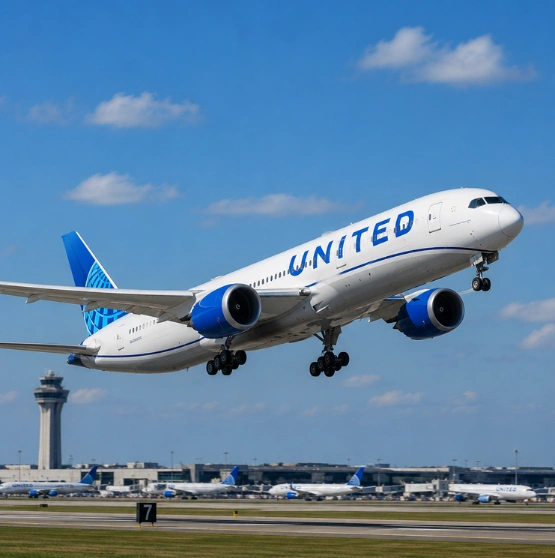
Long-haul international travel is no longer limited to widebody aircraft. United Airlines is increasingly using its Boeing 737 MAX fleet on some of its longest routes, including flights approaching eight hours in duration. The strategy is helping the airline launch new international destinations, expand connectivity, and offer travelers more nonstop flight options without relying exclusively on larger aircraft.
Traditionally, routes of this length were operated by widebody jets such as the Boeing 767, Boeing 777, or Boeing 787 Dreamliner. However, advances in aircraft technology have allowed airlines to use fuel-efficient narrowbody aircraft on routes that would have been difficult to operate just a few years ago. For travelers, this shift is creating new opportunities to reach destinations that previously lacked nonstop service from the United States.
United Airlines now operates several long-haul routes using the Boeing 737 MAX 8, with some flights approaching or exceeding eight hours depending on weather conditions and flight direction. Among the airline's longest Boeing 737 MAX routes are services linking Newark with destinations such as Glasgow in Scotland, Funchal in Madeira, and Santiago de Compostela in Spain.
The airline also operates lengthy domestic and international routes including flights between Newark and Anchorage, Washington Dulles and Anchorage, and San Francisco and Panama City. These services demonstrate how airlines are increasingly using next-generation narrowbody aircraft to serve routes that were once considered the domain of larger long-haul jets.
The Boeing 737 MAX offers airlines a combination of improved fuel efficiency, lower operating costs, and extended range compared with previous generations of narrowbody aircraft. These advantages allow airlines to serve destinations that may not generate enough demand to support a larger widebody aircraft while still offering nonstop service.
For United Airlines, the strategy creates opportunities to expand internationally without committing larger aircraft to every new route. Instead of waiting until demand grows enough for a Boeing 787 or Boeing 777, the airline can use a smaller aircraft to test and develop new markets. This approach has helped open routes to destinations that previously lacked nonstop links with the United States.
One of the biggest benefits for travelers is access to destinations that may not have otherwise received nonstop service. Cities such as Glasgow, Funchal, and Santiago de Compostela are examples of markets that can now support direct flights thanks to the economics of long-range narrowbody aircraft.
For leisure travelers, this means more choices when planning European vacations. Instead of connecting through larger international hubs, passengers may be able to fly directly to destinations that are closer to their final holiday location. The result is often shorter overall travel times and a more convenient journey.
The strategy also helps United strengthen its international network by reaching destinations that competitors may not currently serve nonstop from the United States.
While the Boeing 737 MAX offers significant advantages for airlines, some travelers may wonder what it is like to spend seven or eight hours on a narrowbody aircraft. Unlike widebody jets, narrowbody aircraft typically have a single aisle and a smaller cabin layout.
However, United's Boeing 737 MAX aircraft feature modern interiors, improved lighting, updated entertainment options, and more fuel-efficient technology than older aircraft. Travelers also benefit from nonstop service, which can often outweigh the inconvenience of connecting through another airport.
For many passengers, avoiding a connection may be preferable to flying on a larger aircraft that requires an additional stop during the journey.
United is not alone in embracing long-range narrowbody operations. Airlines around the world are increasingly using aircraft such as the Boeing 737 MAX and Airbus A321LR and A321XLR on routes that were once served exclusively by larger jets.
The trend is helping carriers expand into new markets, increase flexibility, and create more direct travel options for passengers. As airlines continue investing in next-generation aircraft, travelers can expect to see more long-haul routes operated by narrowbody jets in the coming years.
Industry experts believe these aircraft will play an increasingly important role in connecting secondary cities and supporting routes that would not be economically viable with larger aircraft.
For U.S. travelers, United's growing use of the Boeing 737 MAX on long-haul routes means more nonstop options, access to new destinations, and potentially shorter overall journey times. While some travelers may prefer the space and amenities of larger widebody aircraft, others may welcome the convenience of direct flights to destinations that previously required one or more connections.
As airlines continue looking for efficient ways to expand internationally, long-range narrowbody aircraft are becoming a key part of the future of air travel. For travelers, that future could mean more destinations, more nonstop routes, and greater flexibility when planning international adventures.
New airline routes and expanding global networks are creating more travel opportunities than ever before. Whether you're comparing flight options, planning a multi-city itinerary, or searching for the most convenient route to your destination, expert guidance can make the process easier. MundoTrip's travel specialists are available 24 hours a day, 7 days a week to assist with flight bookings, itinerary planning, travel advice, and last-minute travel support, helping travelers make informed decisions every step of the way.
 11 Jun, 2026
Air Canada's Long-Haul Expansion Creates More Asia Travel Options
11 Jun, 2026
Air Canada's Long-Haul Expansion Creates More Asia Travel Options
 11 Jun, 2026
American Airlines Eyes Major Long-Haul Fleet Expansion
11 Jun, 2026
American Airlines Eyes Major Long-Haul Fleet Expansion
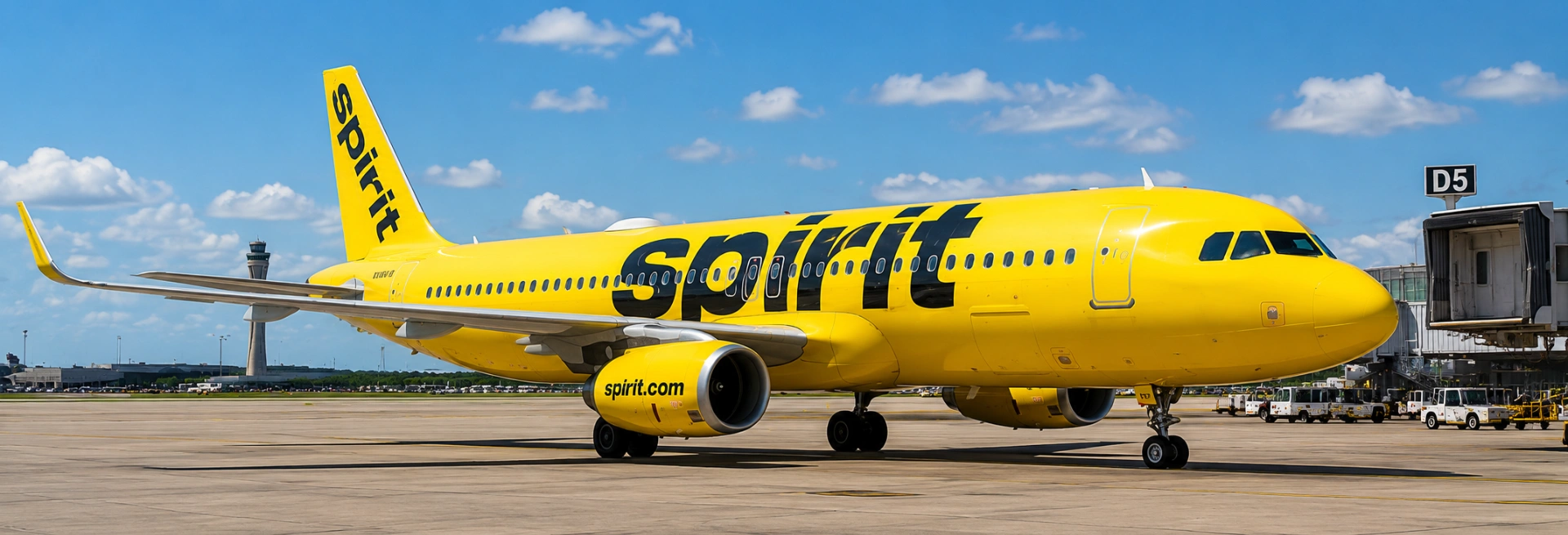 11 Jun, 2026
Spirit Airlines Shutdown Sparks New US Route Expansion
11 Jun, 2026
Spirit Airlines Shutdown Sparks New US Route Expansion
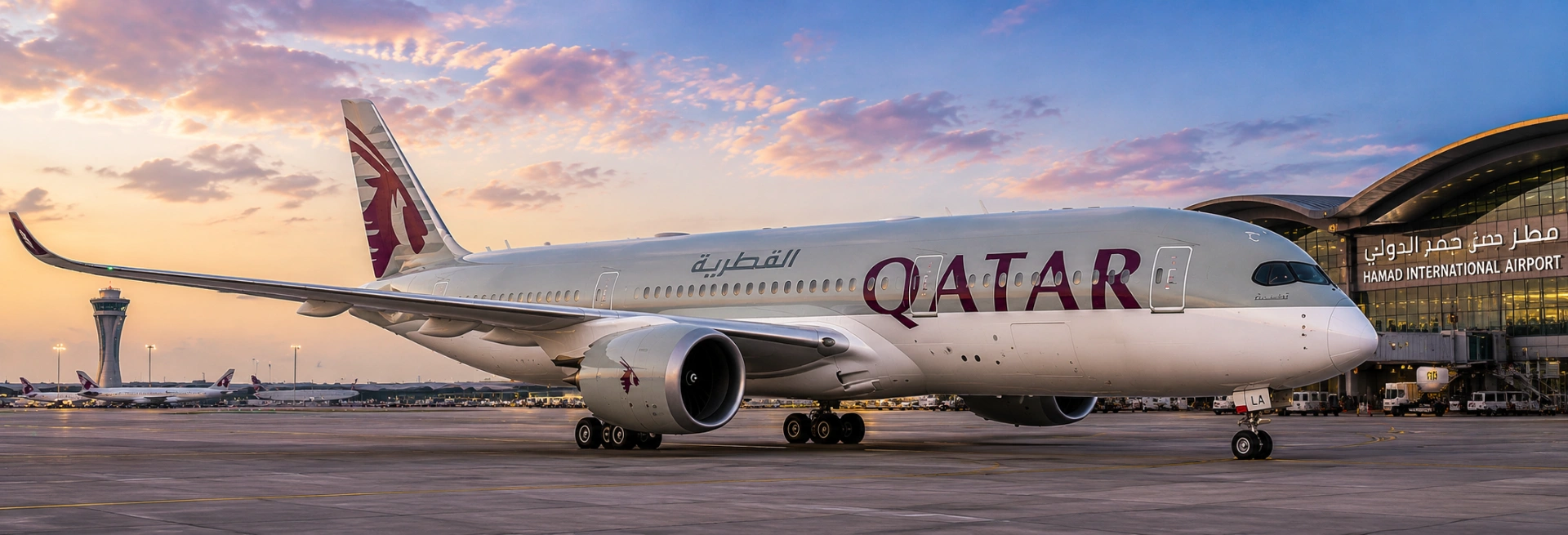 11 Jun, 2026
Qatar Airways Restores Daily Philadelphia–Doha Flights
11 Jun, 2026
Qatar Airways Restores Daily Philadelphia–Doha Flights
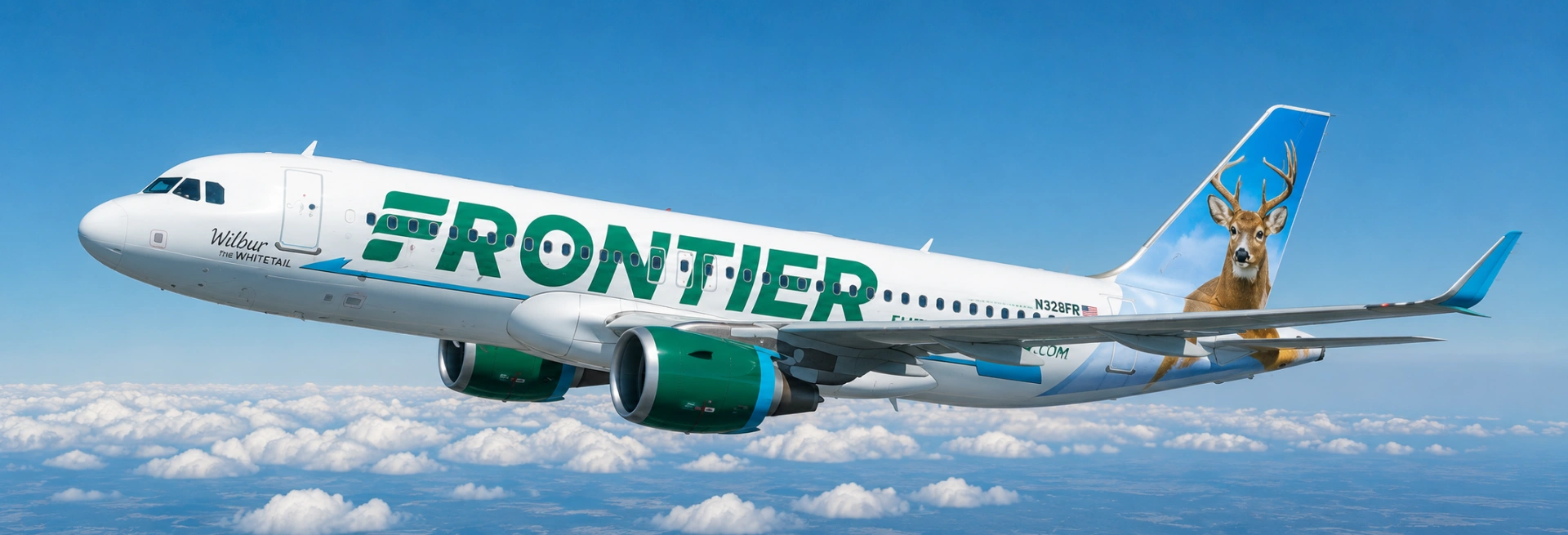 10 Jun, 2026
Frontier Adds New Las Vegas Flights to Oakland and Boise
10 Jun, 2026
Frontier Adds New Las Vegas Flights to Oakland and Boise


Got Questions? Call us 24/7!
1-866-331-1746
Email for Us!
support@mundotrip.com
35 Journal Square Suite 424, Jersey City, NJ 07306






Copyright © 2026 Mundo Trip registered in New Jersey, United States Of America