


 29 Jul, 2026
Southwest Plans First Airport Lounges for US Travelers
29 Jul, 2026
Southwest Plans First Airport Lounges for US Travelers
MundoTrip | Travel News | 29 July 2026
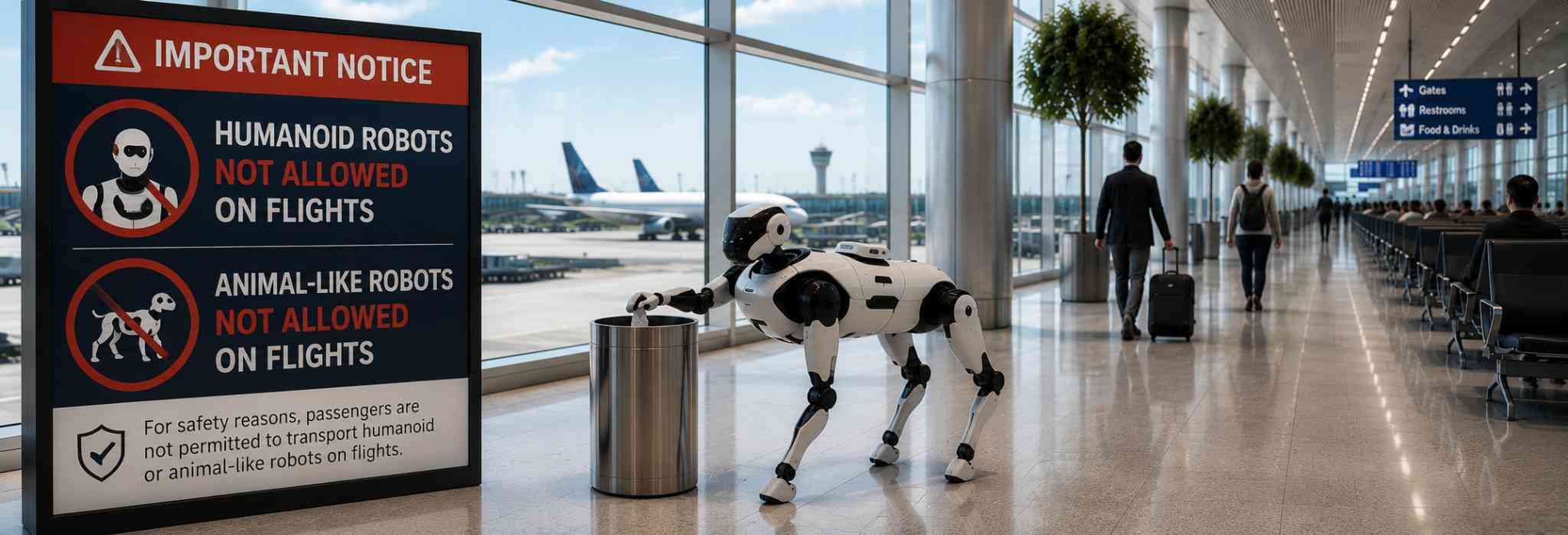
United Airlines and Delta Air Lines have introduced new restrictions prohibiting passengers from transporting humanoid and animal-like robots on their flights. The policies, driven by lithium-ion battery and safety concerns, do not apply to ordinary electronic devices or small robotic toys that meet existing baggage and battery requirements.
United Airlines and Delta Air Lines have updated their baggage policies by restricting passengers from bringing humanoid and animal-like robots on board their aircraft. The move follows growing concerns about the transportation of advanced robotic devices powered by large lithium-ion batteries. While the policy may sound unusual, airline officials say the changes are intended to improve safety for passengers and crew rather than limit the use of everyday electronic devices. Travelers carrying standard laptops, smartphones, tablets and most battery-powered consumer electronics are not affected by the new rules.
Under the updated policies, humanoid and animal-like robots are no longer permitted in either carry-on baggage or checked luggage on United Airlines flights. Delta has adopted a similar restriction, making it one of the latest U.S. carriers to introduce limits on transporting advanced robotic machines. The policy specifically targets larger robots designed to imitate human or animal movement or behavior and does not extend to conventional electronic devices or small robotic toys that comply with existing airline battery regulations.
Airlines say the primary concern is the large lithium-ion battery packs used in many advanced robots. Aviation safety experts have long warned that damaged or defective lithium-ion batteries can create a fire risk through thermal runaway, making them more difficult to manage inside an aircraft cabin or cargo hold. In addition to battery safety, airlines have also raised concerns about handling, securing and transporting heavy robotic devices during flight. The restrictions are therefore focused on reducing potential safety risks rather than responding to any specific security threat.
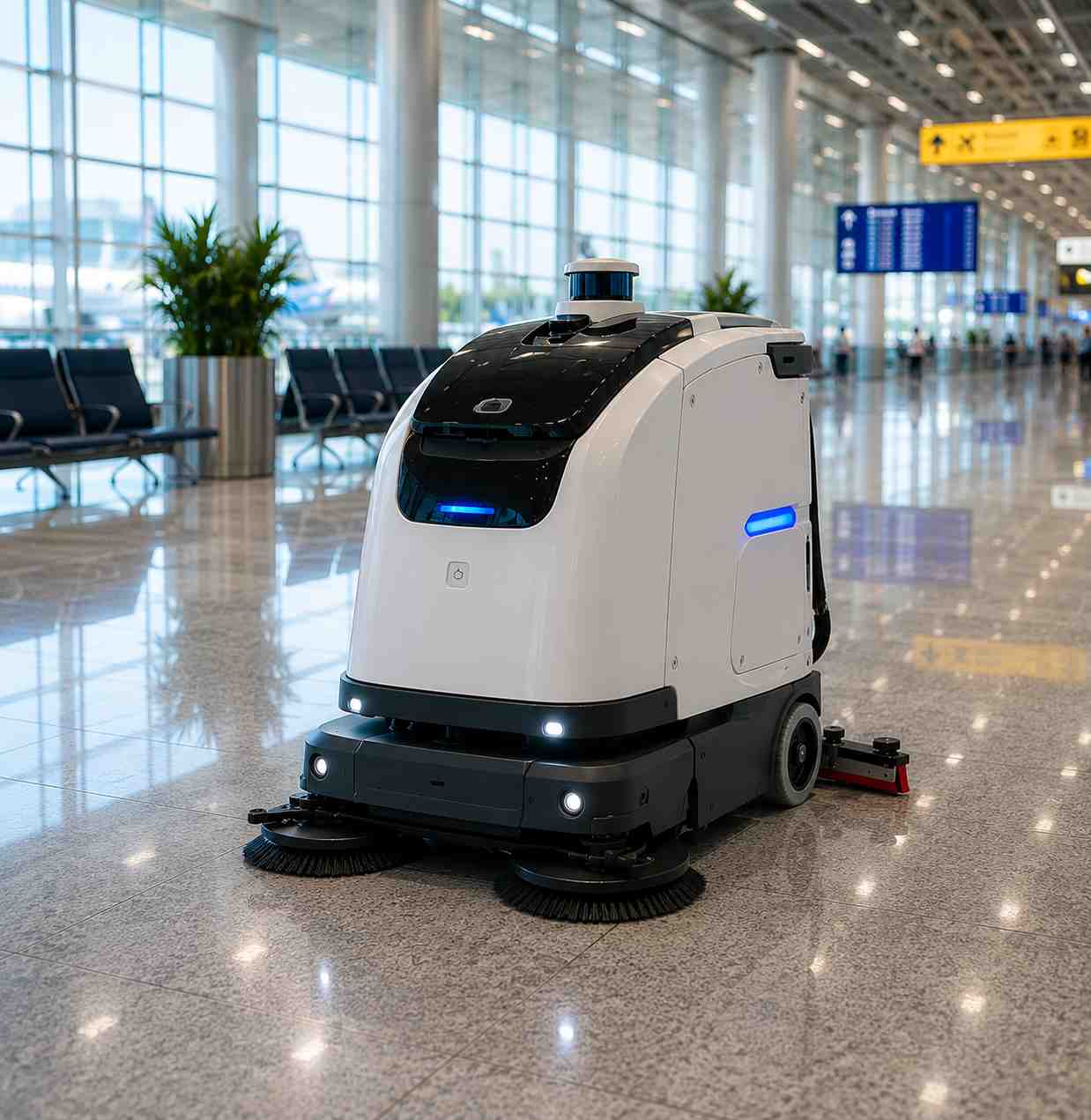
The new rules should have little impact on most travelers. Small robotic toys, educational robots and other consumer electronic products can still be transported as long as they comply with each airline's existing baggage size and lithium-battery requirements. The policy does not change the rules for laptops, mobile phones, cameras, tablets or similar personal electronic devices that passengers routinely carry on board. Travelers transporting specialized robotic equipment, however, should review their airline's baggage policies before traveling.
The restrictions reflect how airlines are adapting to the rapid growth of consumer robotics. As humanoid robots become more common in research, technology demonstrations and commercial applications, airlines are beginning to develop policies covering devices that were rarely encountered just a few years ago. United has indicated that it may review the policy in the future as technology evolves and new safety standards become available, while current restrictions remain in place to protect passengers and flight crews.
For most U.S. travelers, the new policy will have little or no effect on everyday travel. Passengers can continue bringing standard personal electronics on board under existing airline rules. However, researchers, robotics companies and travelers transporting advanced humanoid or animal-like robots should check airline policies before heading to the airport. Failure to do so could result in denied boarding for the device or the need to arrange alternative transportation for the equipment.
From airline policy updates and travel advisories to airport developments and new route launches, MundoTrip brings you verified travel news that helps you stay informed before every trip.
 29 Jul, 2026
Southwest Plans First Airport Lounges for US Travelers
29 Jul, 2026
Southwest Plans First Airport Lounges for US Travelers
 29 Jul, 2026
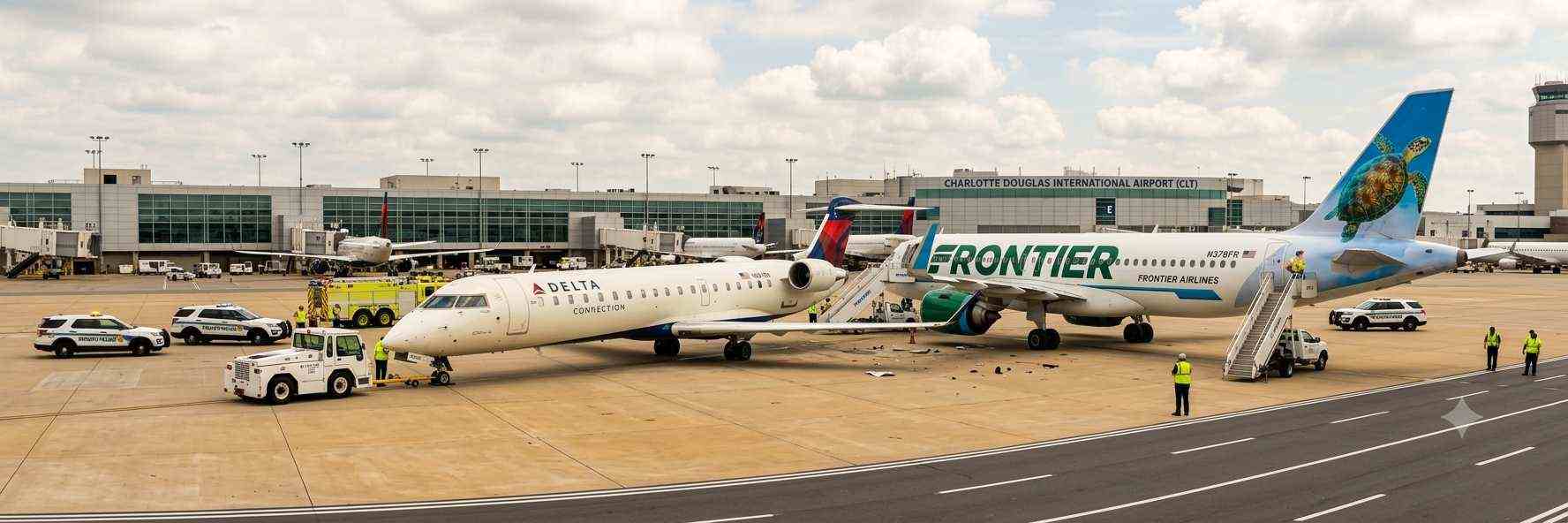
Delta and Frontier Jets Collide During Pushback at Charlotte
29 Jul, 2026
Delta and Frontier Jets Collide During Pushback at Charlotte
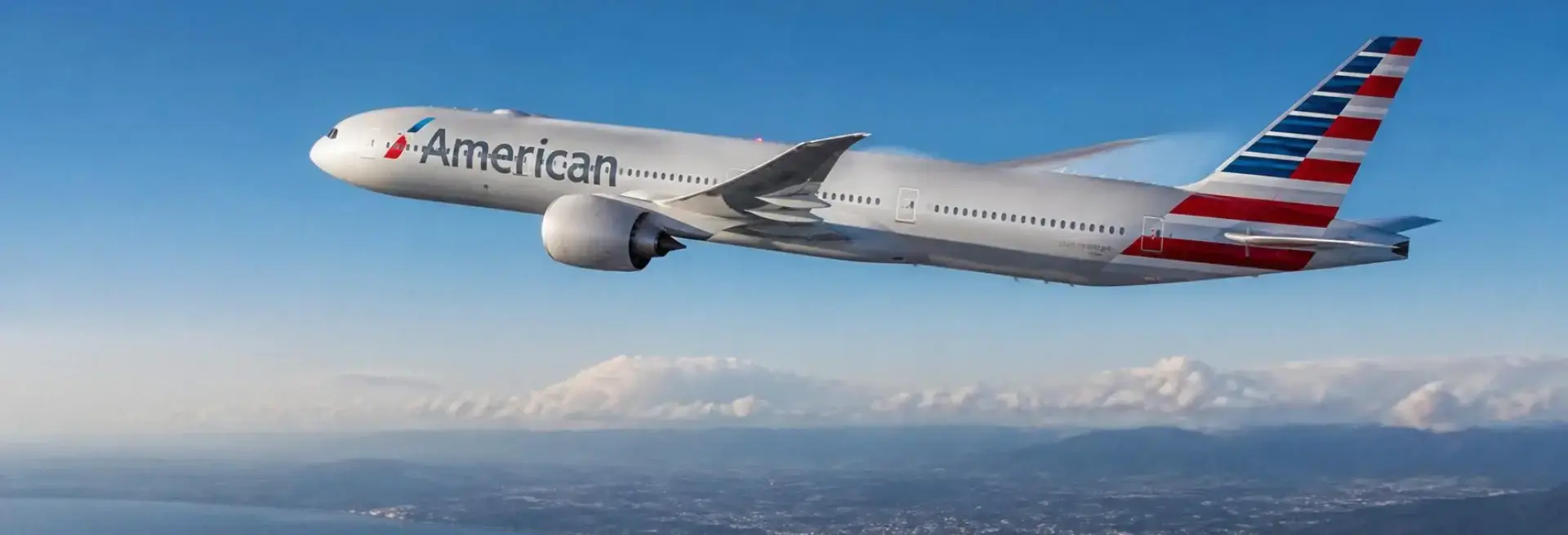 29 Jul, 2026
American Airlines Adds Two New International JFK Routes
29 Jul, 2026
American Airlines Adds Two New International JFK Routes
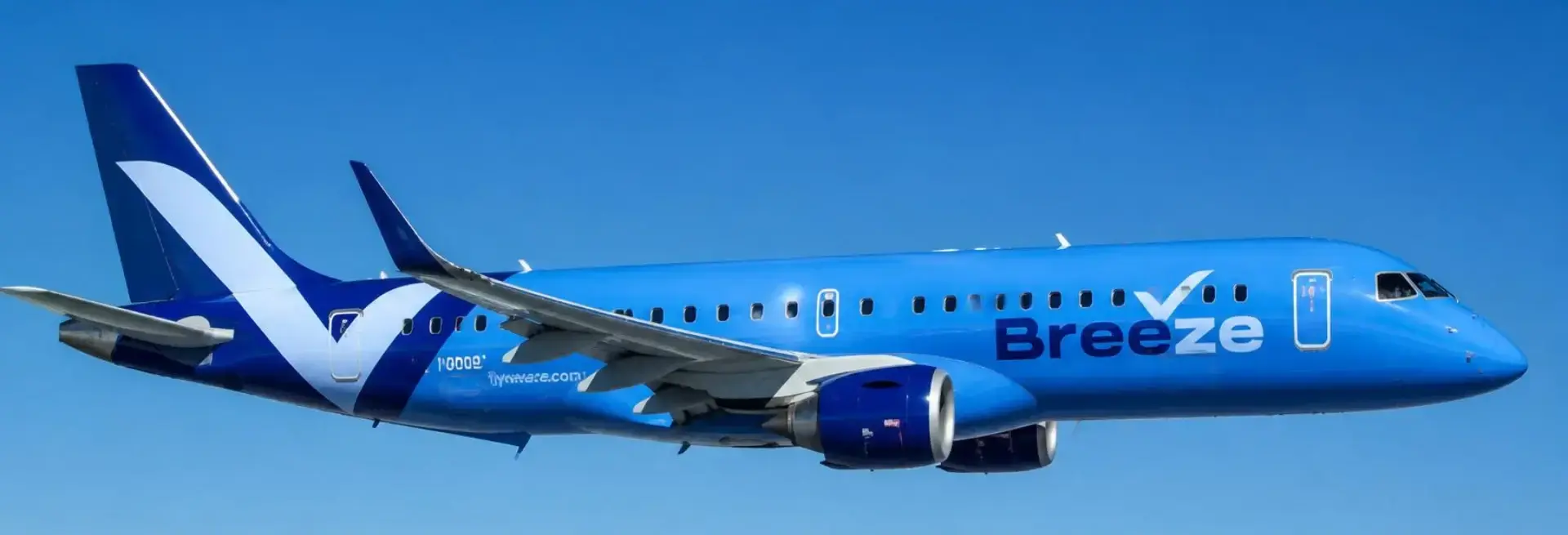 29 Jul, 2026
Breeze Airways Ends Service at 6 Airports Amid Network Growth
29 Jul, 2026
Breeze Airways Ends Service at 6 Airports Amid Network Growth
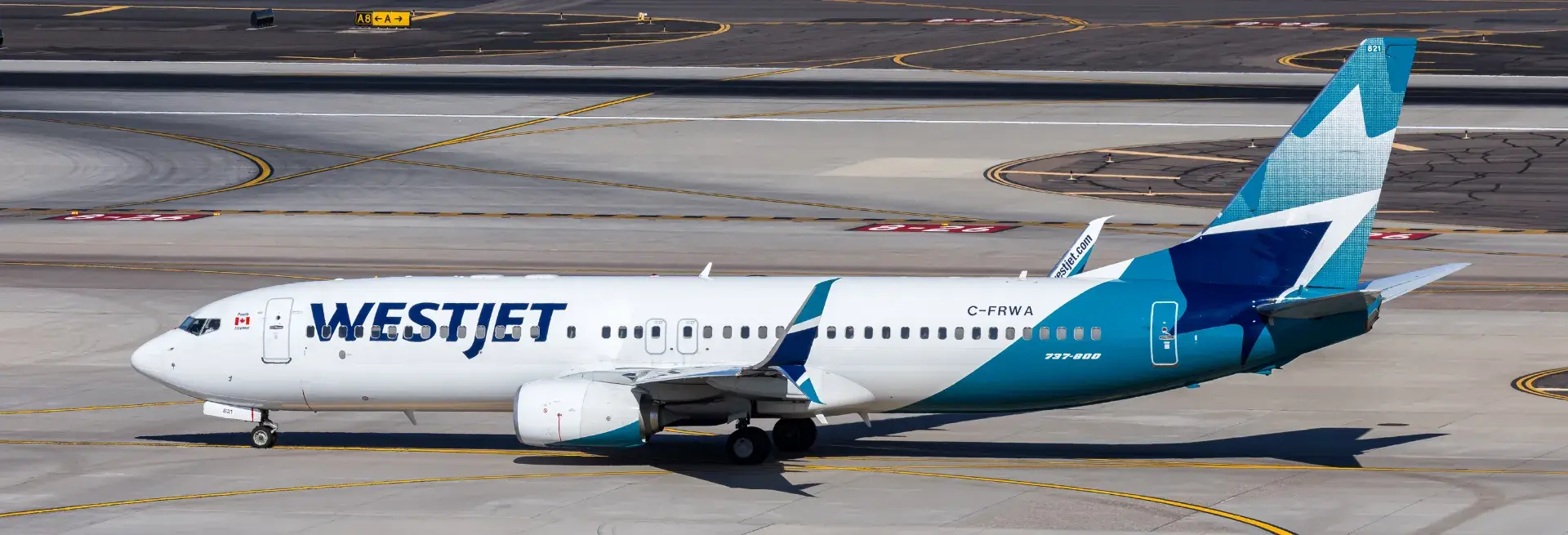 27 Jul, 2026
WestJet Offers Free Flight Changes Ahead of Possible Strike
27 Jul, 2026
WestJet Offers Free Flight Changes Ahead of Possible Strike


Got Questions? Call us 24/7!
1-866-331-1746
Email for Us!
support@mundotrip.com
35 Journal Square Suite 424, Jersey City, NJ 07306






Copyright © 2026 Mundo Trip registered in New Jersey, United States Of America