


 22 Jun, 2026
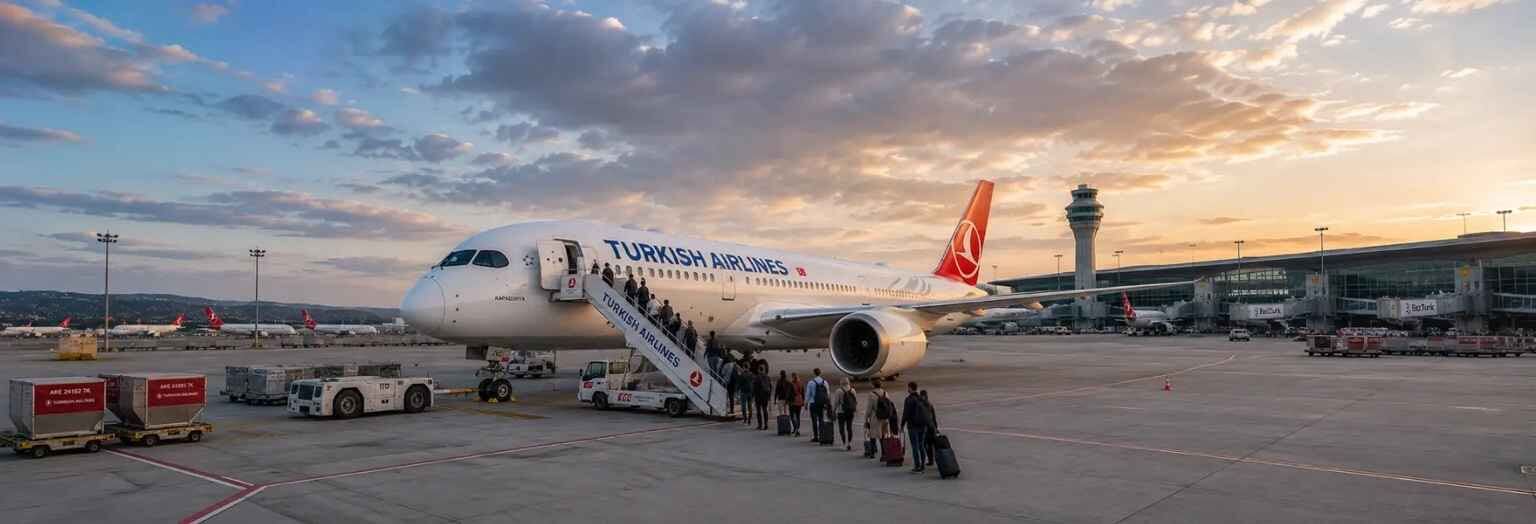
Turkish Airlines Eyes Peru Expansion With New Lima Route
22 Jun, 2026
Turkish Airlines Eyes Peru Expansion With New Lima Route
MundoTrip | Travel News | 22 June 2026
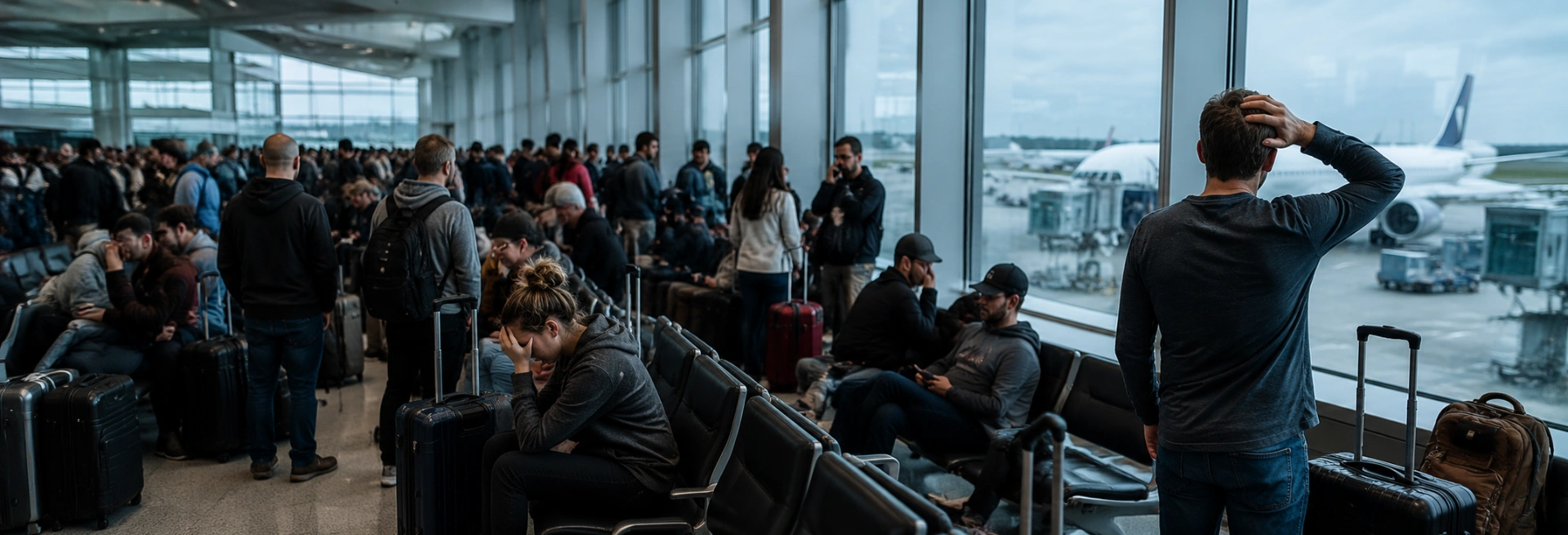
Travelers across the United States faced another challenging day of air travel as thousands of flights were delayed and more than a hundred were canceled, creating disruptions at some of the country's busiest airports. Major hubs, including Los Angeles, Chicago, San Francisco, Charlotte, Minneapolis, Boston, and Atlanta experienced significant operational issues, affecting travelers flying with airlines such as American Airlines, Delta Air Lines, United Airlines, Southwest Airlines, Frontier Airlines, Alaska Airlines, SkyWest Airlines, Air Canada, and several others. The widespread disruptions rippled through domestic and international networks alike, impacting routes across the United States as well as connections to Canada, Mexico, Europe, and Asia. For travelers already navigating one of the busiest travel periods of the year, the delays served as another reminder of how quickly operational challenges at major hubs can spread across the national aviation system. Recent data has also shown increasing delay pressure at major airports such as San Francisco, where runway construction projects, operational restrictions, and weather-related challenges have significantly increased flight disruptions in 2026.
Among the airports affected, Atlanta's Hartsfield-Jackson International Airport stood out as one of the most heavily impacted hubs. Hundreds of delayed flights and multiple cancellations affected passengers traveling through what is widely considered one of the world's busiest airports. Because Atlanta serves as a critical connecting point for travelers heading throughout the United States and internationally, disruptions there often extend far beyond Georgia. Flights involving destinations in Canada, Mexico, France, Germany, Japan, South Korea, and numerous U.S. cities experienced knock-on effects as aircraft, crews, and passengers encountered scheduling challenges. Travelers connecting through Atlanta frequently depend on tight connection windows, meaning even relatively modest delays can quickly create missed connections and longer travel days.
One of the biggest misconceptions about flight disruptions is that they remain isolated to a single airport. In reality, modern airline networks are highly interconnected. When delays occur at major hubs such as Atlanta, Chicago, Los Angeles, or Charlotte, aircraft scheduled to operate subsequent flights often arrive late, crews may exceed duty limits, and passengers can miss onward connections. These disruptions can spread rapidly across an airline's network, creating challenges for travelers who may be hundreds or even thousands of miles away from the original problem. This interconnected system is one reason why a delay in one city can eventually affect flights across multiple states and international destinations. Industry data consistently shows that weather, airport congestion, operational restrictions, maintenance requirements, and air traffic management issues remain among the most common causes of delays and cancellations across the U.S. aviation system.
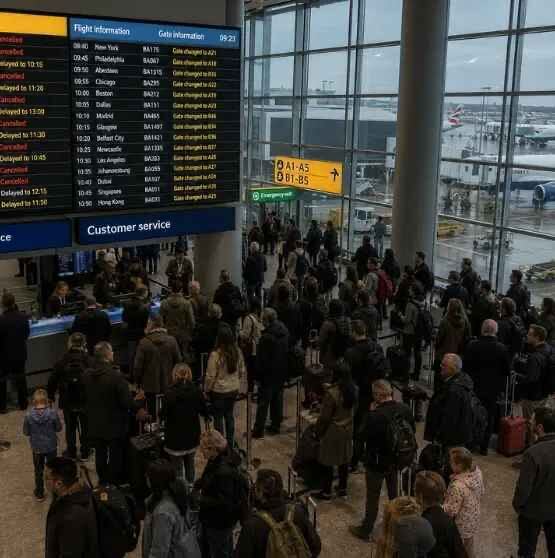
The disruptions affected a broad range of carriers operating at the nation's busiest airports. Delta, American, United, Southwest, Frontier, Alaska, SkyWest, and Air Canada were among the airlines dealing with delayed operations as passenger demand remained strong. Because many of these carriers operate extensive hub-and-spoke networks, disruptions at one airport can create scheduling challenges throughout the day. International travelers were also affected, particularly those connecting through major gateway airports before continuing to destinations in Europe, Asia, Canada, and Mexico. As airlines worked to reposition aircraft and accommodate affected passengers, many travelers faced extended wait times, schedule changes, and revised itineraries.
When widespread delays affect multiple airports, travelers can often reduce stress by taking proactive steps before arriving at the airport. Airline mobile apps typically provide the fastest access to schedule updates, gate changes, and rebooking options. Travelers should also monitor official flight status updates regularly and consider alternative routing options if significant delays begin to develop. For passengers with connecting itineraries, allowing additional connection time whenever possible can help reduce the risk of missed flights during periods of heavy disruption. Travelers flying through major hubs should also prepare for longer-than-normal airport stays and remain flexible when operational challenges arise.
The latest disruptions highlight the ongoing challenges facing airlines and airports during periods of elevated travel demand. Airports across the country continue managing a combination of weather-related issues, infrastructure projects, air traffic constraints, and operational pressures that can contribute to delays. Recent reporting has shown that airports such as San Francisco have experienced a sharp increase in delayed flights due to runway construction and federal operational restrictions, illustrating how infrastructure and airspace challenges can influence travel reliability. As summer travel activity remains strong, travelers should expect occasional disruptions and stay informed about conditions at major airports before departing for the airport.
While delays and cancellations are an unavoidable reality of modern air travel, large-scale disruptions affecting multiple airports can have a particularly significant impact on travelers. The latest wave of delays across Atlanta, Los Angeles, Chicago, San Francisco, Charlotte, Minneapolis, Boston, and other major hubs demonstrates how quickly operational issues can spread throughout the aviation network. For travelers, staying informed, monitoring flight status updates, and maintaining flexibility remain the best tools for navigating unexpected disruptions. As airlines continue working to manage busy travel schedules, passengers who prepare for potential delays are often better positioned to minimize the impact on their journeys.
 22 Jun, 2026
Turkish Airlines Eyes Peru Expansion With New Lima Route
22 Jun, 2026
Turkish Airlines Eyes Peru Expansion With New Lima Route
 22 Jun, 2026
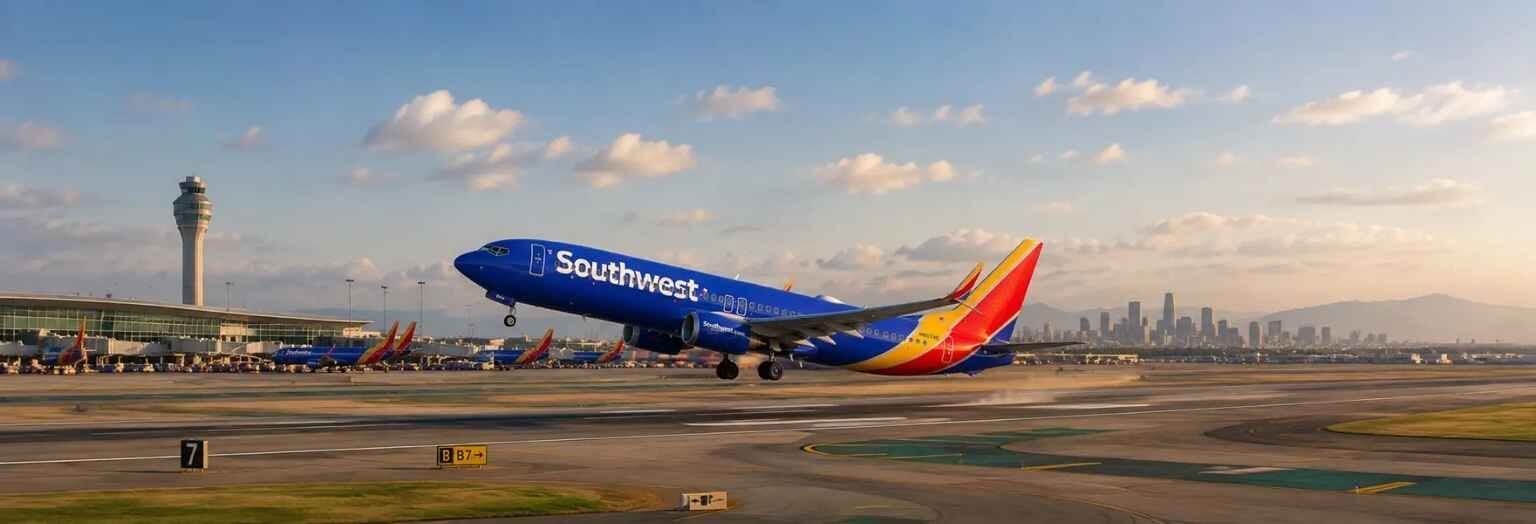
Southwest Launches New Burbank to Honolulu Nonstop Flight
22 Jun, 2026
Southwest Launches New Burbank to Honolulu Nonstop Flight
 22 Jun, 2026
Alaska Airlines Drops Four Planned Mexico Routes for Winter
22 Jun, 2026
Alaska Airlines Drops Four Planned Mexico Routes for Winter
 22 Jun, 2026
American Airlines' Longest Flights Now Reach Up to 17 Hours
22 Jun, 2026
American Airlines' Longest Flights Now Reach Up to 17 Hours
 20 Jun, 2026
American Airlines Flight Diverts to Waco: What Travelers Should Know
20 Jun, 2026
American Airlines Flight Diverts to Waco: What Travelers Should Know


Got Questions? Call us 24/7!
1-866-331-1746
Email for Us!
support@mundotrip.com
35 Journal Square Suite 424, Jersey City, NJ 07306






Copyright © 2026 Mundo Trip registered in New Jersey, United States Of America