We build trips around you, not the other way around. Our team of travel specialists handles flights, hotels, car rentals, and vacation packages based on what you need. Flexible payment options like book Now Pay Later make booking easier on your budget. You also get 24/7 support, free cancellation within 24 hours, and hassle-free changes if plans shift. Best price guarantee, secure payments, and instant booking solution.

Guarantee

Customer Support

Free Cancellation

Payments

Changes

Booking
Art and culture travel means organizing trips around museums, galleries, archaeological sites, and cultural institutions rather than beaches or adventure activities.
At Mundotrip.com, we arrange packages to destinations where art and culture form the core attraction. Skip-the line museum access, guided tours with art historians, accommodation near cultural districts, and itineraries built around exhibition schedules and opening hours. Whether you're visiting the Louvre or exploring ancient ruins in Greece, these packages prioritize cultural engagement over everything else.
Cultural travel combines standard vacation components with specialized access and education.
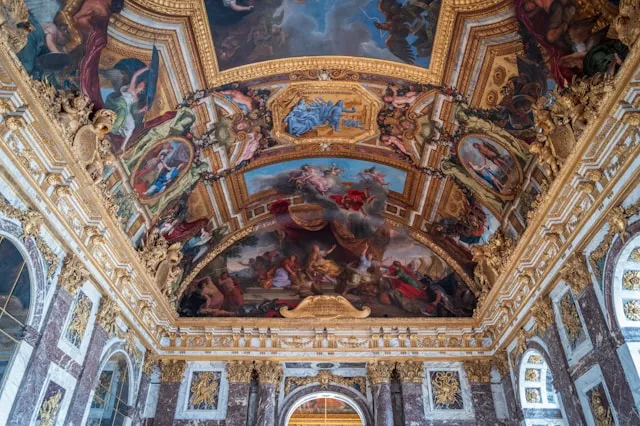
Museum and gallery entry
Pre-purchased tickets to major institutions, including skip-the-line access during peak seasons. Some packages include special exhibitions requiring separate entry.
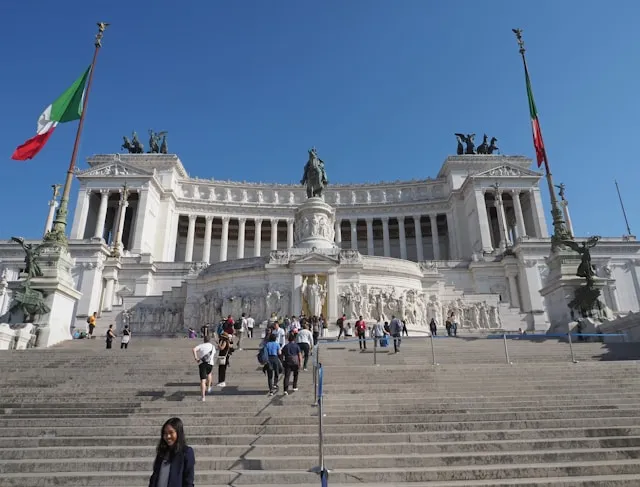
Guided tours with specialists
Art historians, archaeologists, or cultural experts who provide context beyond wall labels. Tours happen at optimal times with limited group sizes.
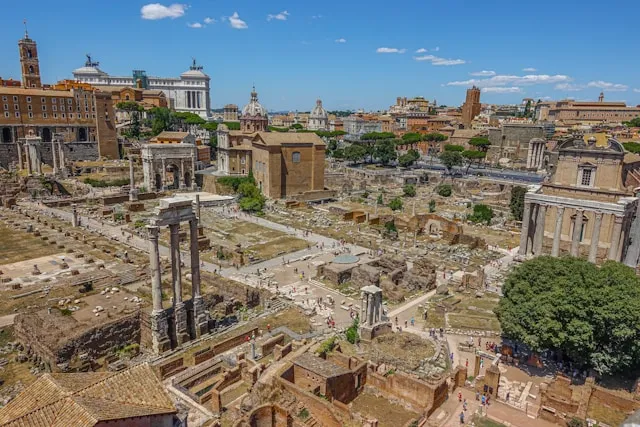
Archaeological site access
Entry to ruins, excavations, and heritage sites with explanation of historical significance and cultural context.
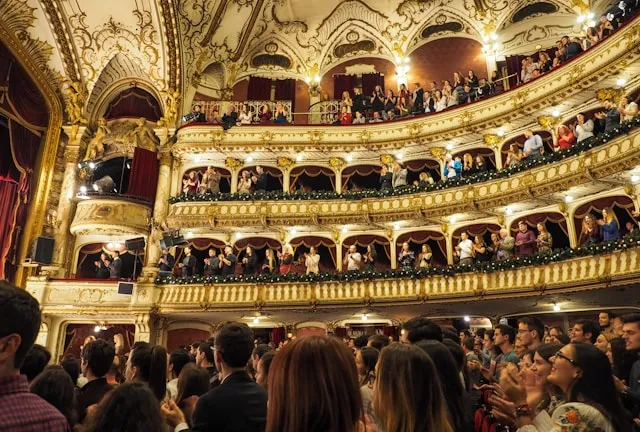
Performance tickets
Opera, theater, ballet, or traditional cultural performances. Packages secure seats at venues that book out weeks or months ahead.
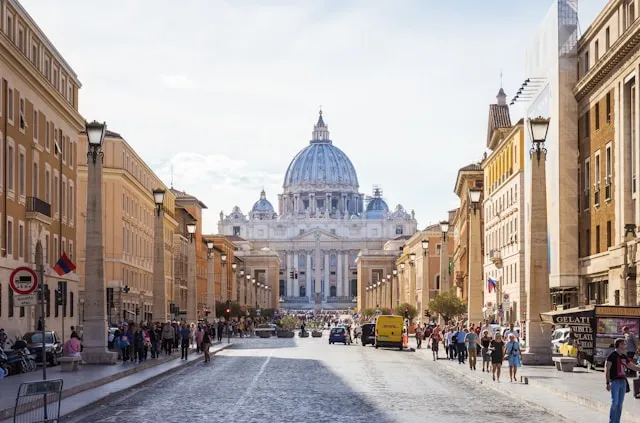
Walking cultural tours
Guided walks through historic districts, architectural highlights, and culturally significant neighborhoods.
Accommodation in cultural districts
Staying near museums and cultural sites reduces travel time and maximizes your time engaging with art and culture.
What's not included
Audio guides unless specified, special exhibition upgrades beyond basic entry, photography permits at certain sites, and meals not explicitly listed in packages.
Find inspiration from top trips


Someone from our sales team will be in touch with you shortly
Some cities built their identities around cultural institutions and heritage.
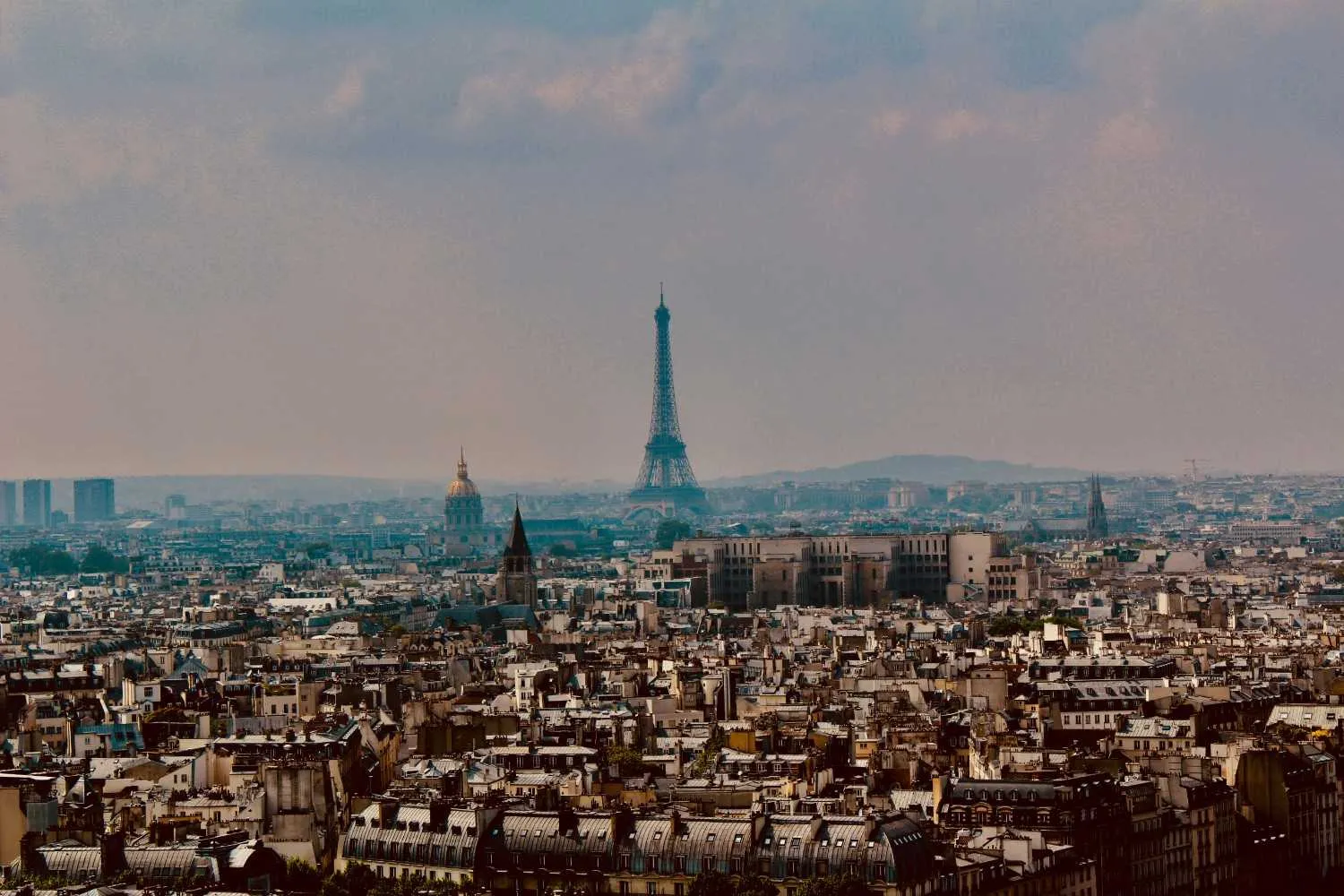
Paris
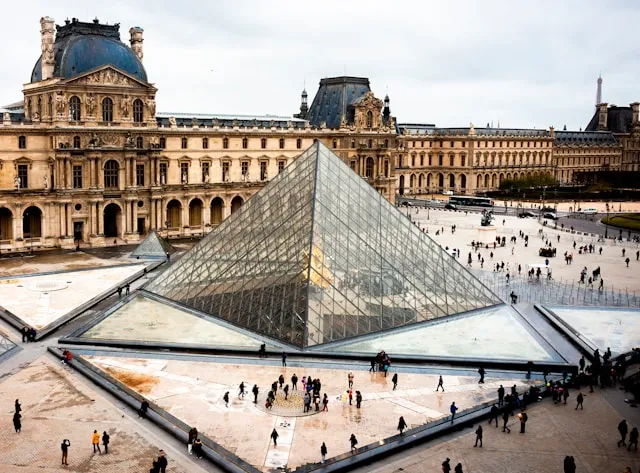
Paris holds extraordinary museum density. The Louvre alone requires multiple days for comprehensive viewing. Musée d'Orsay covers Impressionism and Post-Impressionism. Musée de l'Orangerie houses Monet's Water Lilies. Rodin Museum showcases sculpture in a garden setting. Beyond major museums, smaller institutions like Musée Picasso, Musée Marmottan Monet, and Centre Pompidou provide specific art period focus. Architecture walks cover Haussmann's renovation, Art Nouveau Metro entrances, and medieval Left Bank streets. May-September brings tourist crowds. January-March provides quieter museum experiences but shorter daylight hours.
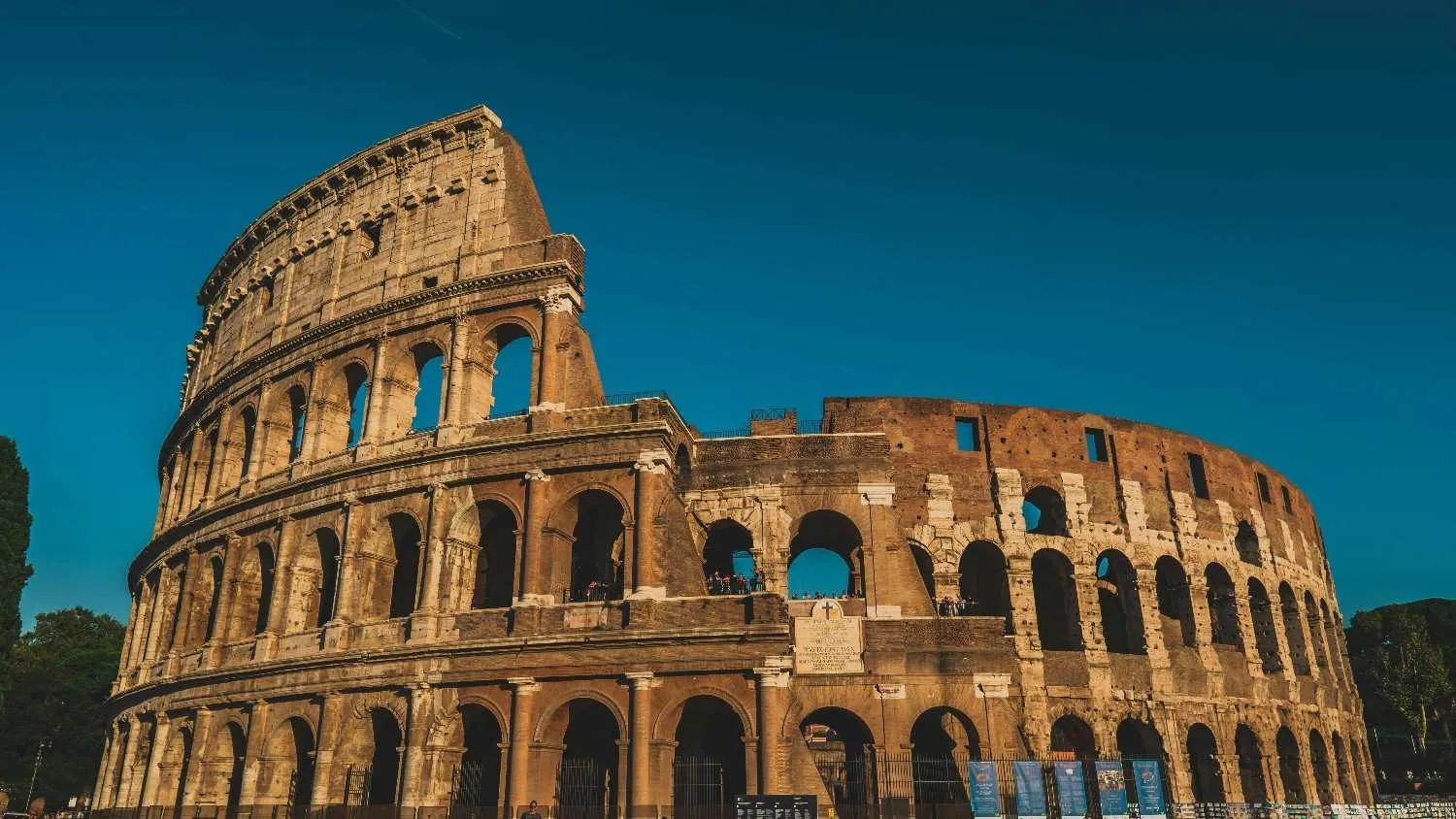
Rome
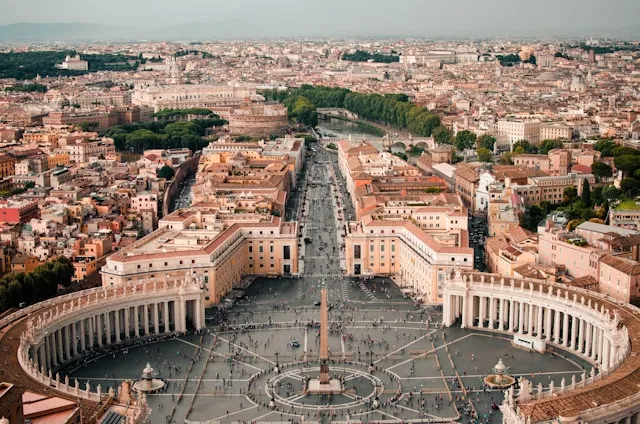
Rome layers 2,500 years of art and architecture. The Colosseum, Roman Forum, and Pantheon anchor ancient Rome. Vatican Museums hold Renaissance masterpieces. Borghese Gallery requires timed entry booked weeks in advance. The collection includes Bernini sculptures and Caravaggio paintings in intimate settings. Churches across Rome function as free art museums. Caravaggio's paintings hang in regular churches, not climate-controlled museums. Spring (April-May) and fall (September-October) balance pleasant weather with manageable crowds. August brings heat and many Romans leave the city.
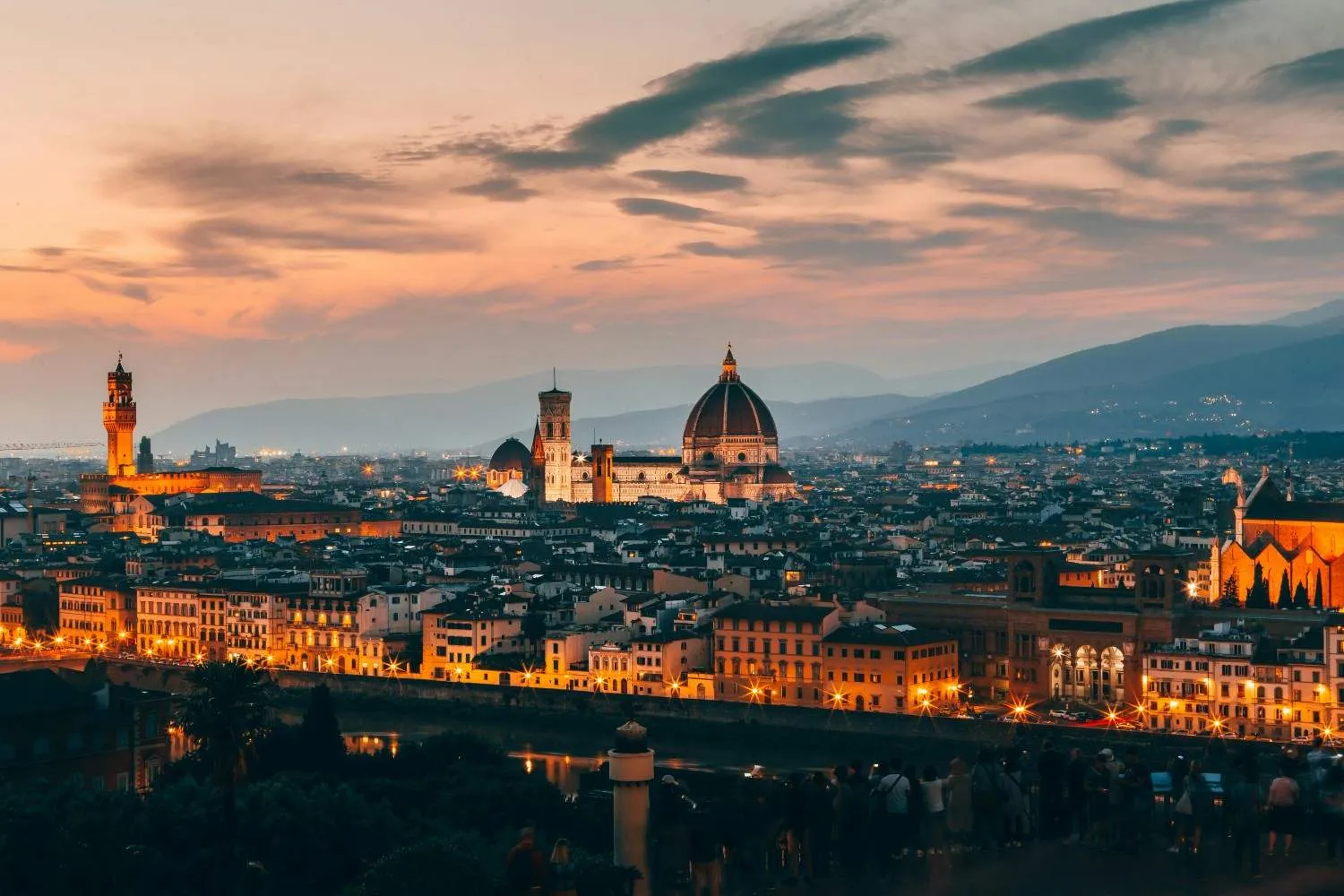
Florence
Florence concentrates Renaissance art impossibly tight. Uffizi Gallery, Accademia (home of Michelangelo's David), and Bargello Museum sit within walking distance. Duomo complex includes Brunelleschi's dome, Giotto's bell tower, and baptistry doors that kicked off the Renaissance. Palazzo Pitti houses multiple museums across various art periods. Boboli Gardens behind it provide outdoor sculpture. Summer crowds make viewing difficult. Winter (November-February) brings shorter lines and lower prices.
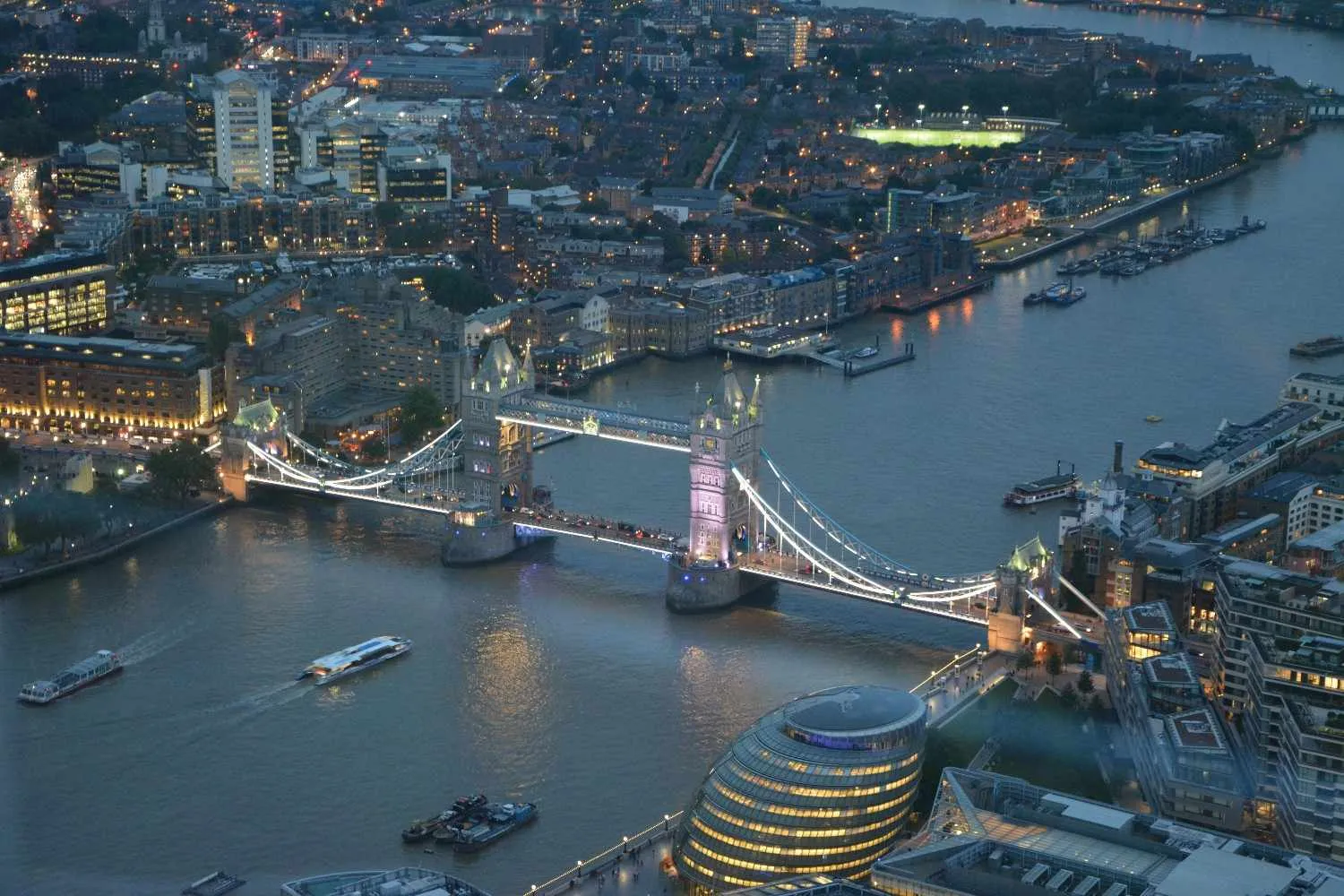
London
London offers free entry to major museums—British Museum, National Gallery, Tate Modern, Tate Britain, Victoria and Albert Museum. British Museum's collections span human history. You could spend days just in ancient Egypt and Greek sections. West End theater rivals Broadway. Booking ahead secures better seats. Some shows require months advance notice. Weather unpredictability makes any season workable. Museums provide indoor activity regardless of rain.
Madrid
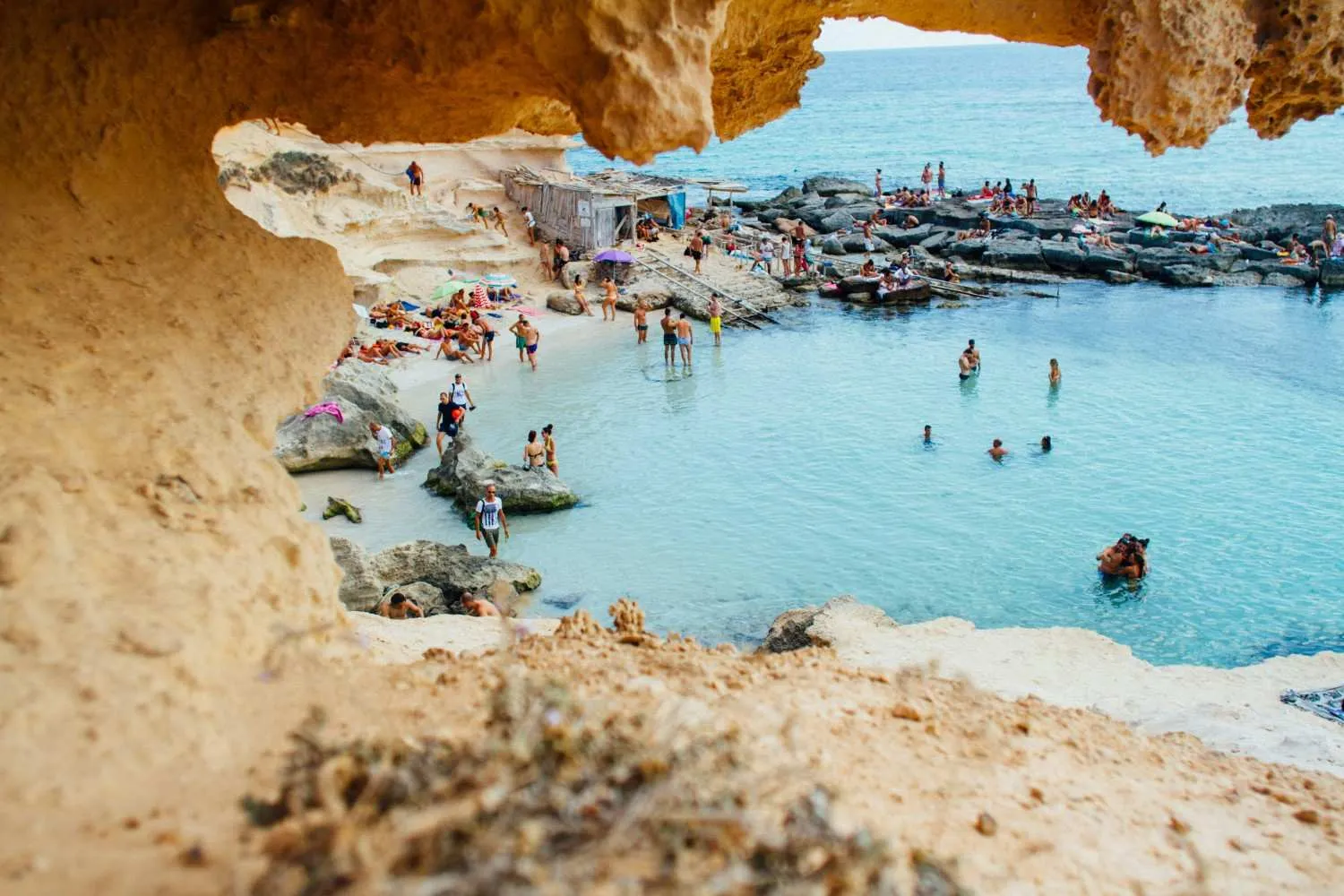
Madrid contains three world-class museums within walking distance—Prado, Reina Sofía, and Thyssen Bornemisza. Prado holds Spanish masters—Velázquez, Goya, El Greco. Reina Sofía houses 20th-century art including Picasso's Guernica. Royal Palace tours show royal apartments and collections. It remains Europe's largest functioning palace. Summer heat can be intense. Spring (April-May) and fall (September-October) provide comfortable walking weather.
Athens
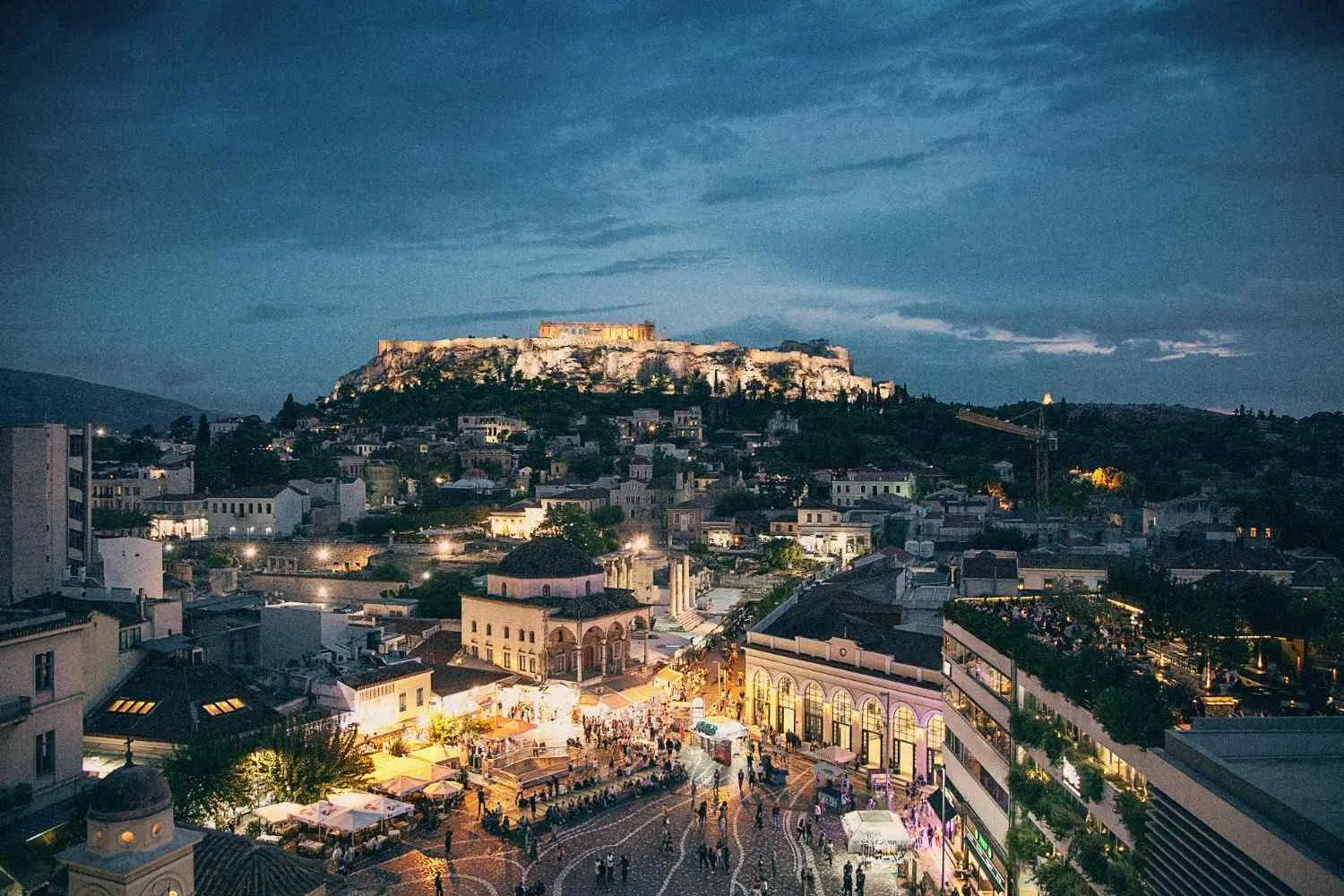
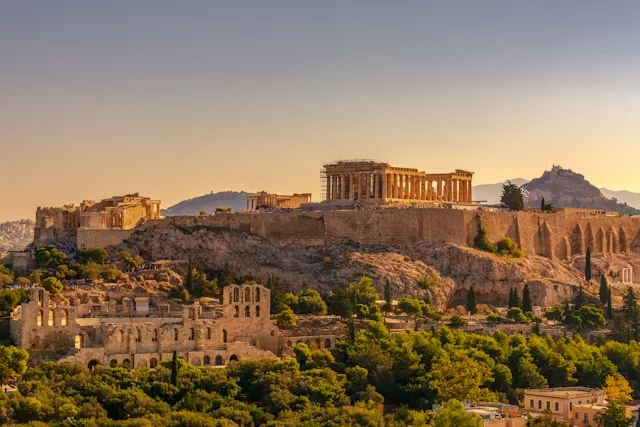
Athens centers on the Acropolis. The Parthenon, Erechtheion, and Temple of Athena Nike showcase classical Greek architecture. Acropolis Museum displays sculptures and artifacts with views of the actual ruins. Archaeological Museum holds finds from across Greece. Ancient Agora and Roman Forum provide context for daily life in classical Athens. Avoid July-August heat. April-May and September-October offer better conditions for archaeological site exploration.
St. Petersburg
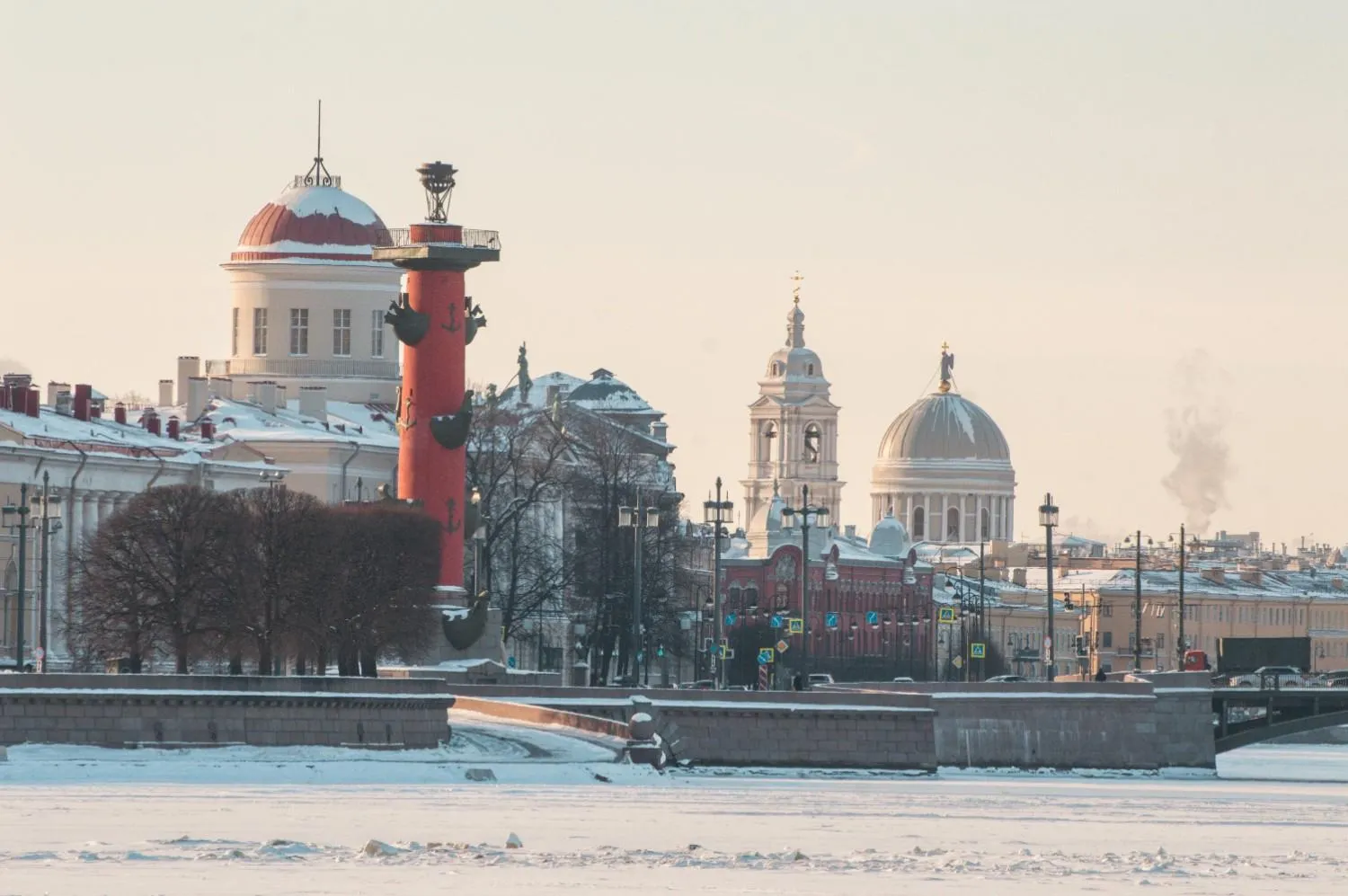
Russia's cultural capital houses the Hermitage—one of the world's largest art museums. The Winter Palace collection alone requires days. Russian Museum focuses on Russian art from icons through avant-garde. Fabergé Museum displays imperial Easter eggs and jewelry. Mariinsky Theatre stages world-class ballet and opera. Book ahead—performances sell out. White Nights (May-July) bring nearly 24-hour daylight. December-February is cold but less crowded.
Cairo
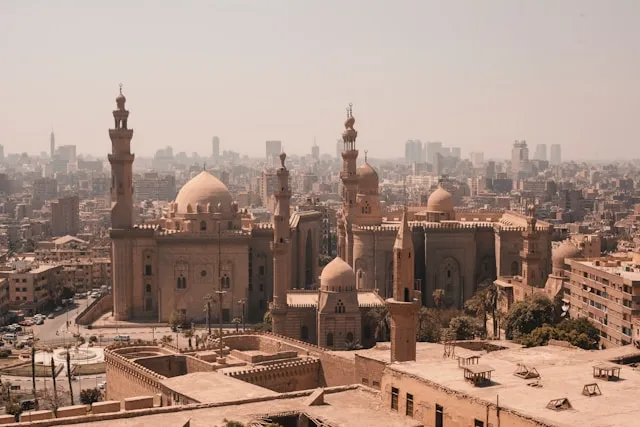
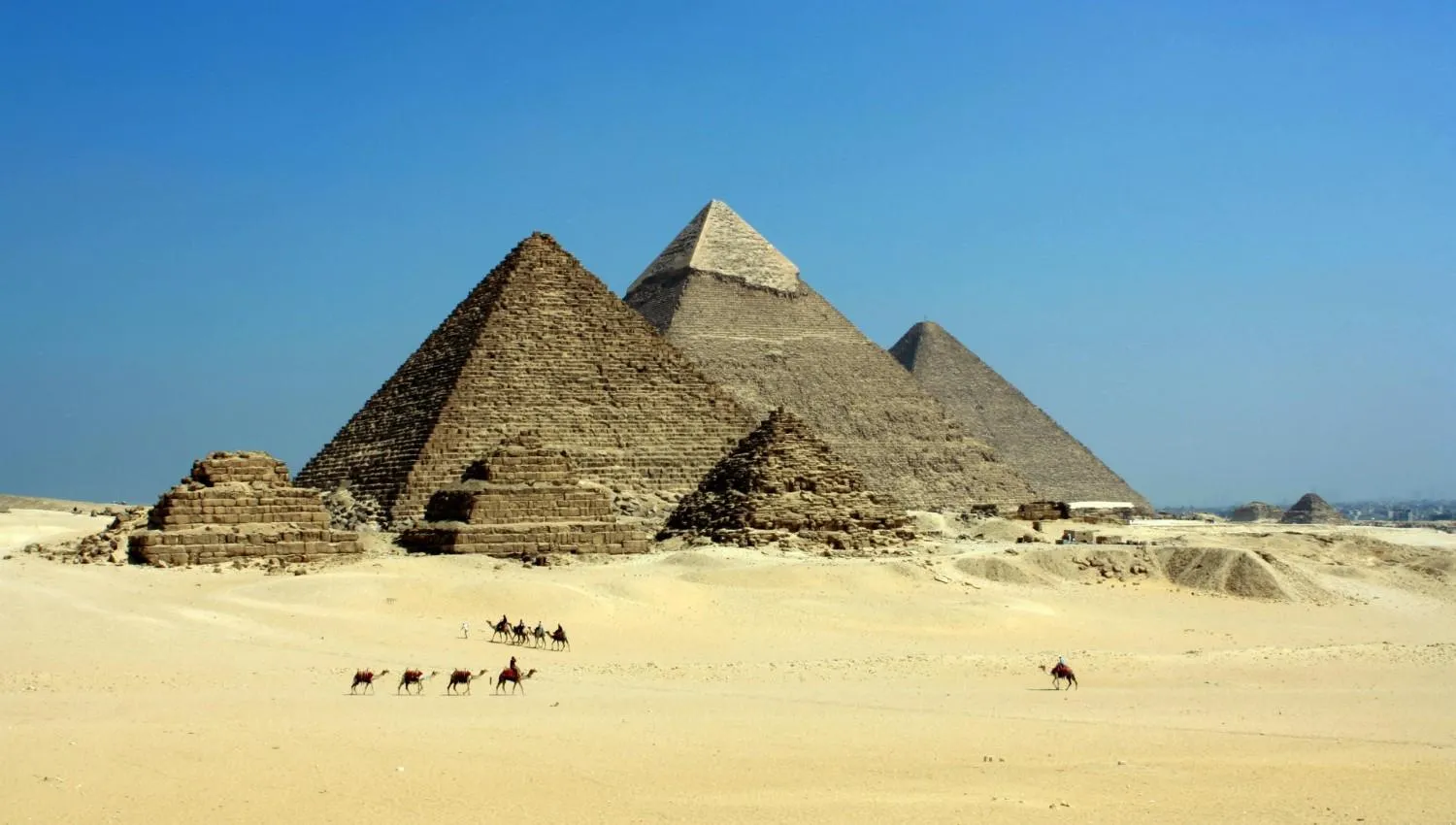
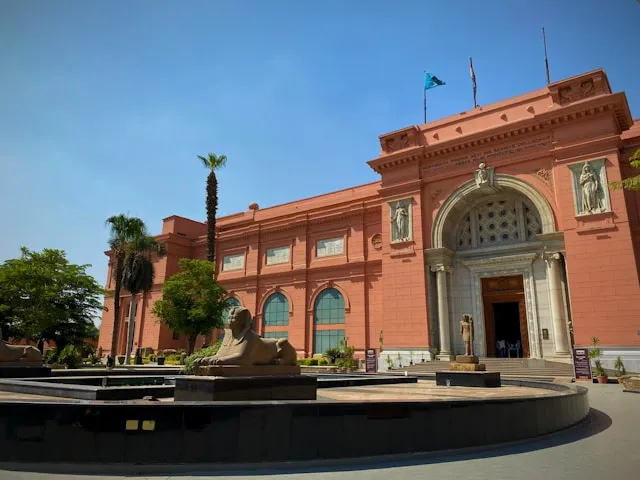
Cairo provides access to Egyptian antiquities. Museum of Egyptian Antiquities holds Tutankhamun's treasures and thousands of artifacts. Pyramids of Giza and Sphinx sit on Cairo's outskirts. Sound and light shows provide evening viewing options. Islamic Cairo preserves medieval architecture. Coptic Cairo shows early Christian heritage. October-April provides manageable temperatures. Summer heat makes extended outdoor site visits difficult.
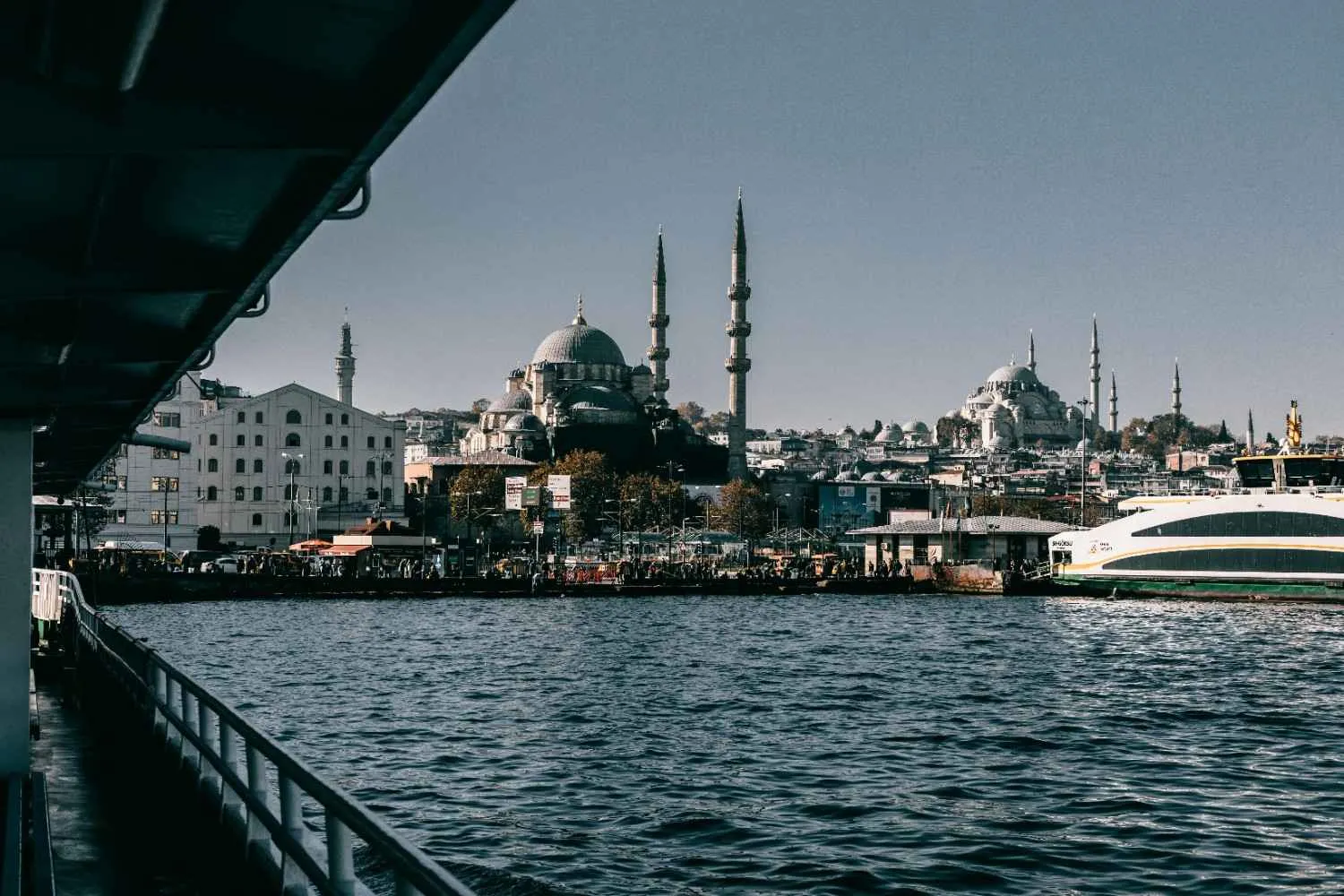
Istanbul
Istanbul bridges continents and cultures. Hagia Sophia, Blue Mosque, and Topkapi Palace showcase Byzantine and Ottoman heritage. Archaeological Museum holds artifacts from across the former Ottoman Empire. Istanbul Modern presents contemporary Turkish art. Bosphorus cruises provide architectural perspective from the water. Historic neighborhoods like Balat show daily life in preserved settings. Spring (April-May) and fall (September-October) avoid summer crowds and winter cold.
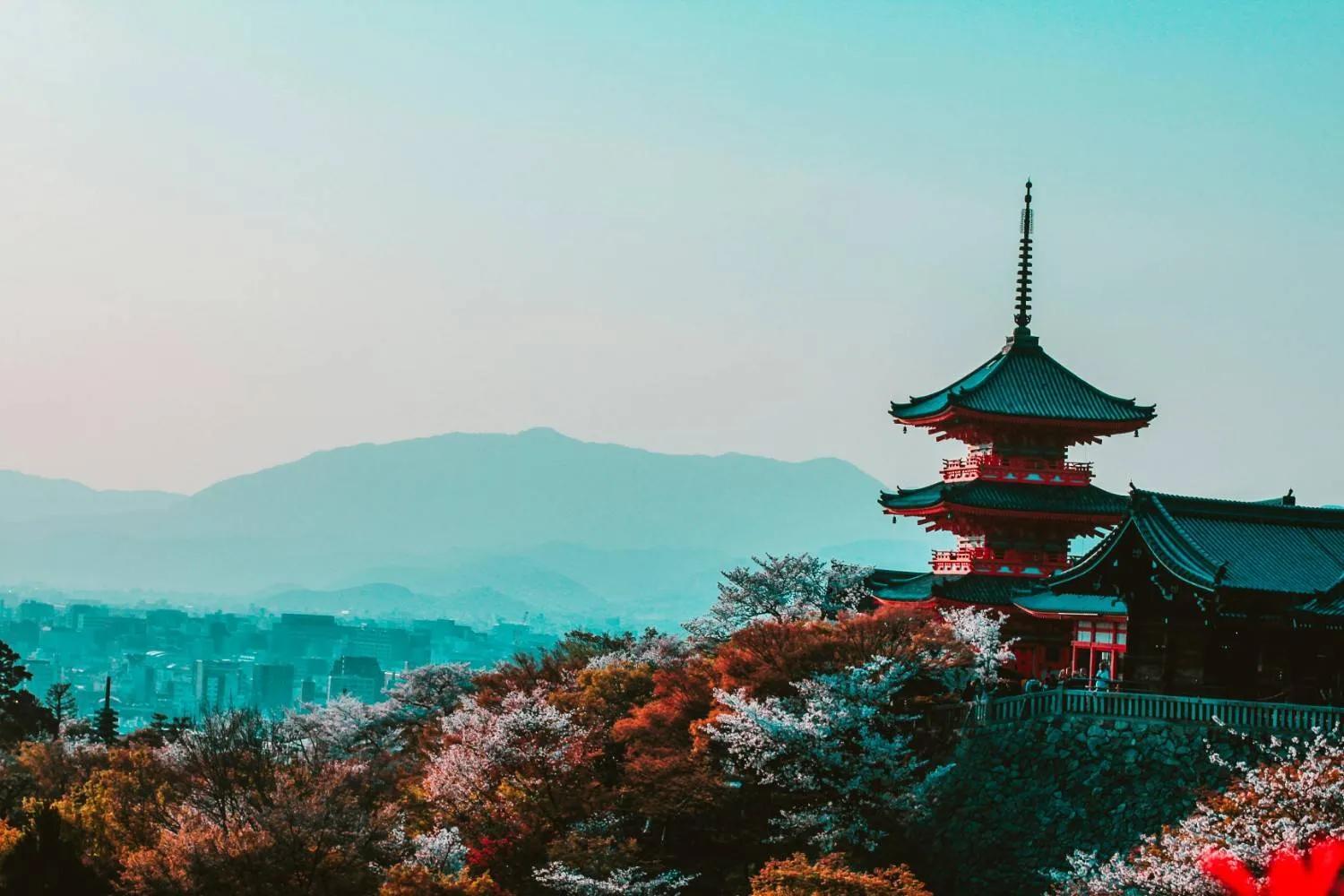
Kyoto
Kyoto preserves traditional Japanese culture. Temples and gardens demonstrate aesthetic principles central to Japanese art. Kinkaku-ji (Golden Pavilion) and Fushimi Inari shrine with thousands of torii gates provide iconic imagery. Zen gardens at Ryoan-ji demonstrate minimalist design. Gion district maintains geisha culture. Traditional tea ceremonies and kaiseki dining connect culinary art with visual aesthetics. Cherry blossom season (late March-early April) brings crowds. Fall foliage (November) provides beautiful alternative.
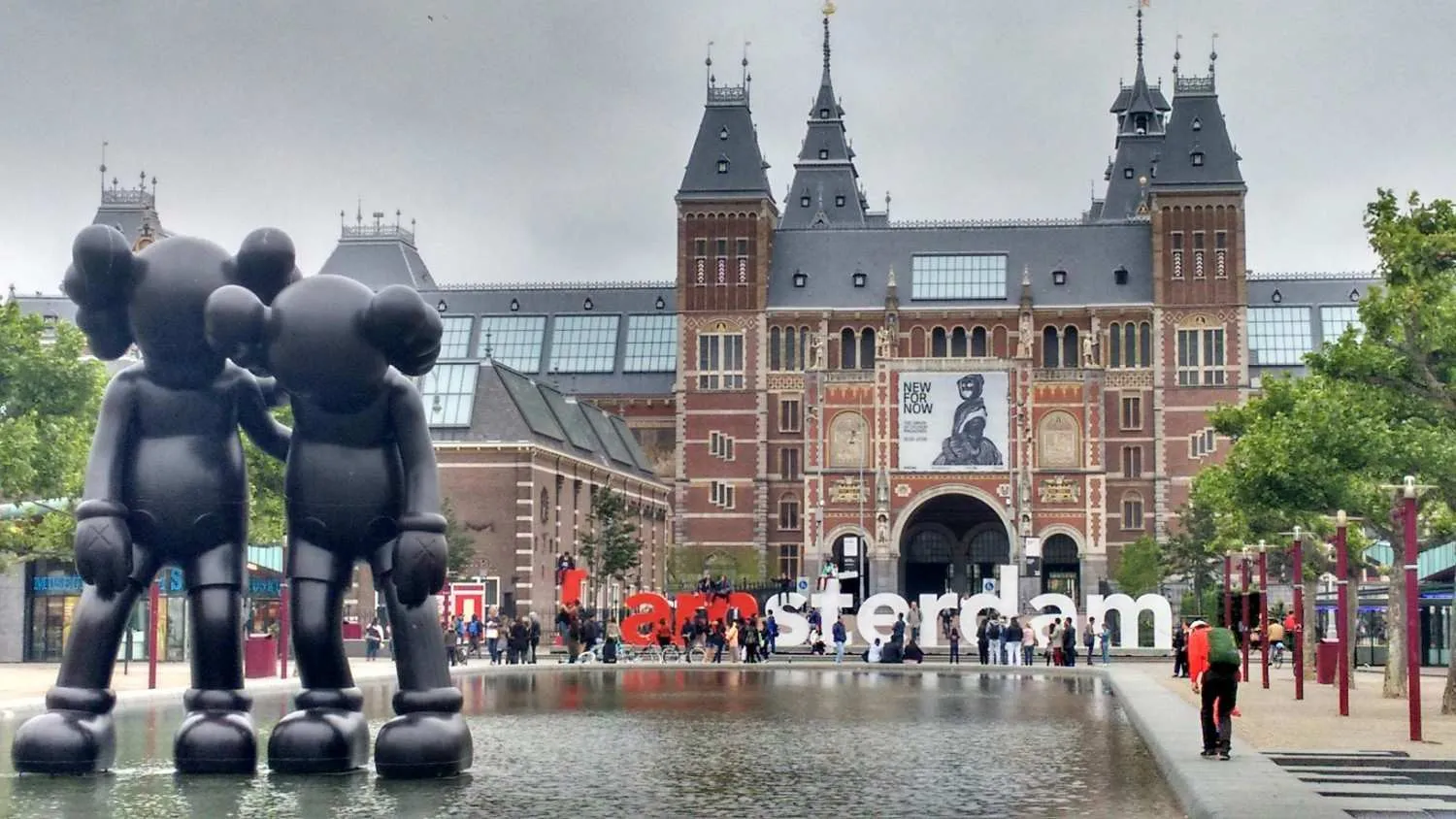
Amsterdam
Amsterdam concentrates art from the Dutch Golden Age. Rijksmuseum holds Rembrandt's Night Watch and Vermeer paintings. Van Gogh Museum displays the world's largest Van Gogh collection. Anne Frank House provides Holocaust context. Canal ring shows 17th-century urban planning. Architecture walks reveal gabled houses and historic churches. Tulip season (April-May) adds color. Summer brings long daylight. Winter (December-February) provides quieter museum experiences.
Art and culture travel splits into categories based on interests.
Museum-focused trips
Days structured around major collections—Louvre, Uffizi, Prado. Guided tours provide context. Independent time allows personal exploration.
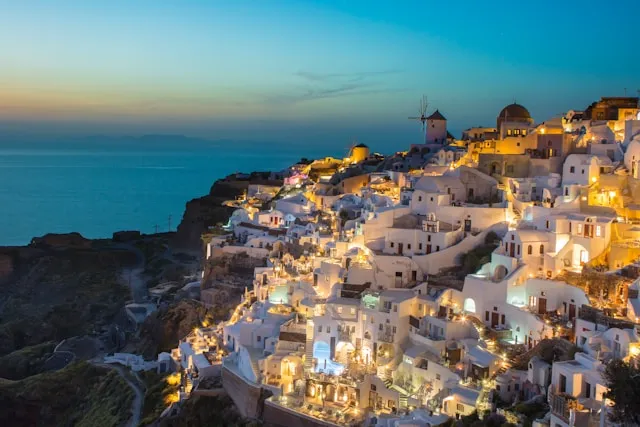
Archaeological tours
Greece, Rome, Egypt, Peru. Ruins and excavations with expert explanation. Physical demands vary—some sites require significant walking and climbing.
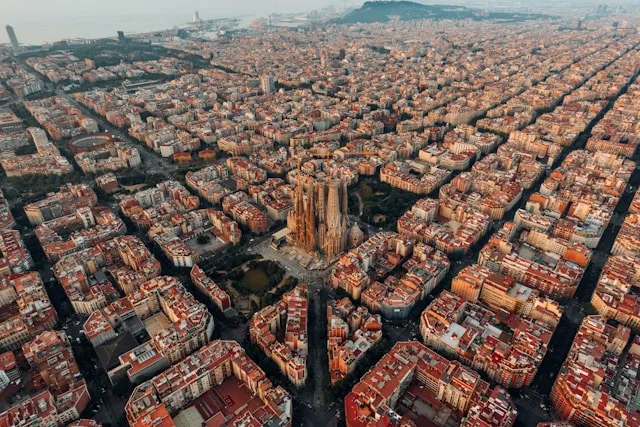
Architecture tours
Barcelona's Modernisme, Bauhaus in Berlin, Art Deco in Miami. Walking tours show building details and urban development.
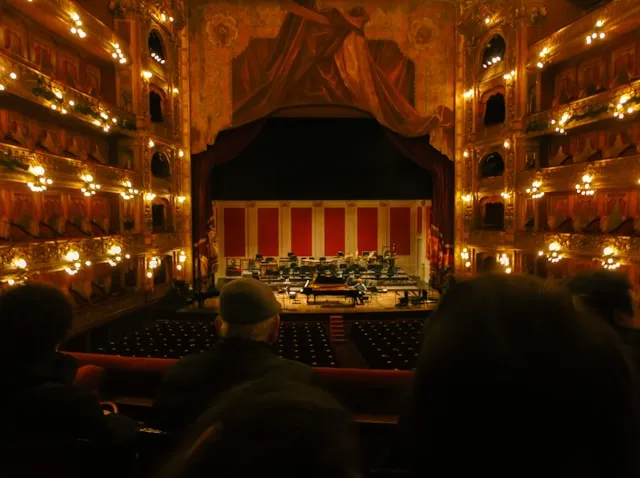
Theater and performance
West End, Broadway, Vienna opera, Kabuki in Tokyo. Packages secure tickets and include pre-show context.
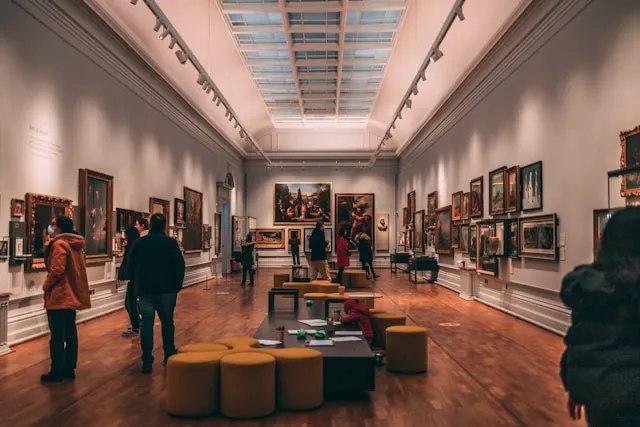
Specialized collections
Photography museums, design museums, specific artist foundations. These appeal to focused interests beyond general art appreciation.
Cultural immersion
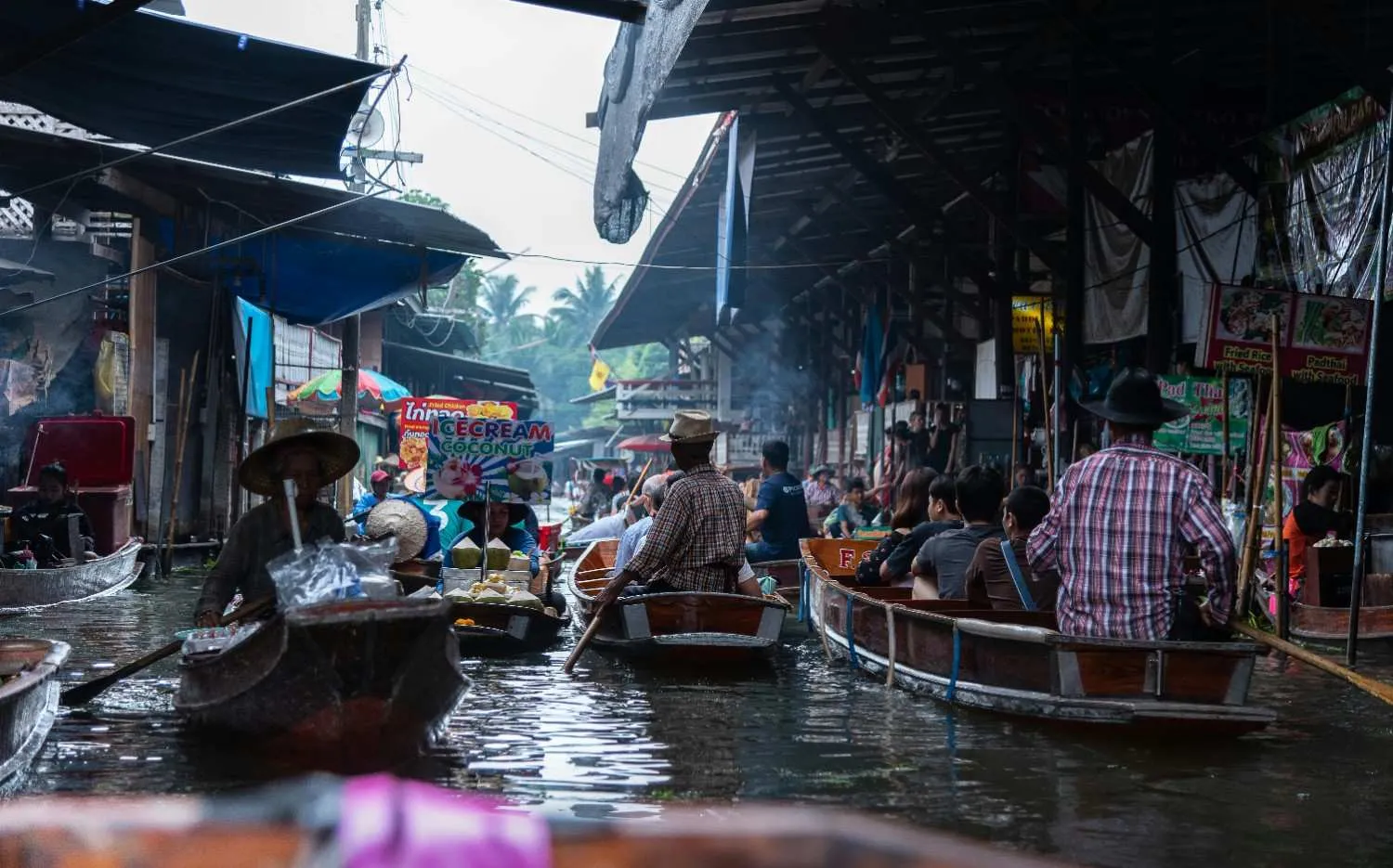
Living in local neighborhoods, attending cultural events, visiting markets and non-tourist sites. Emphasis on understanding daily life rather than just visiting monuments.
Museum visits work year-round but timing affects experiences.
Off-season advantages (November-March in Europe, May-September in US)
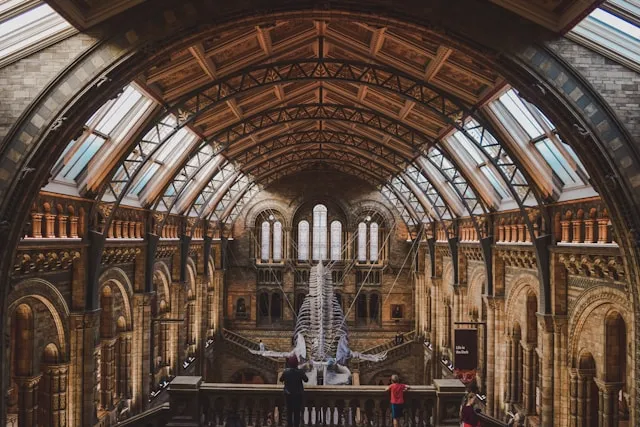
Shorter lines, lower prices, locals outnumber tourists. Museums feel less crowded. You can actually look at paintings without crowds.
Shoulder seasons (April-May, September-October)
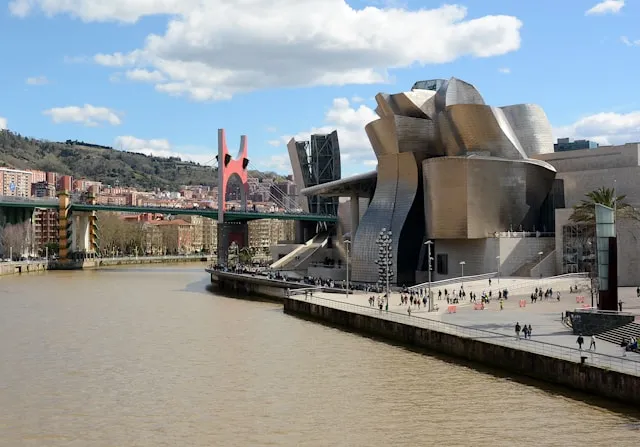
Balance good weather with reasonable crowds. Most museums are open (some close specific days in low season).
Special exhibitions
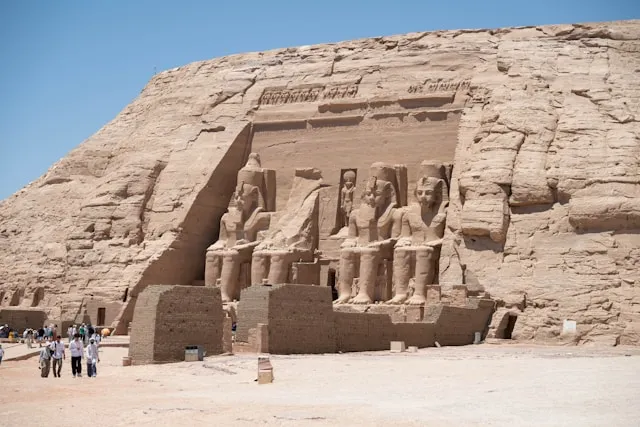
Major museums announce exhibitions months ahead. Monet retrospectives, Egyptian treasures, contemporary art installations—these create temporary reasons to visit. Book as soon as dates are announced.
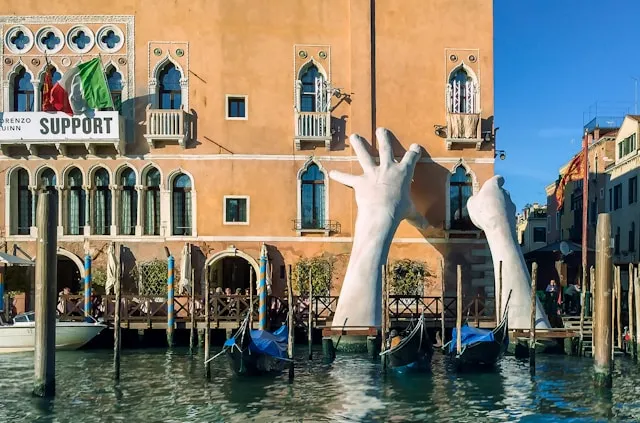
Festival periods
Venice Biennale (May-November odd years), Art Basel, Documenta (every five years). Cultural festivals bring temporary exhibitions and events beyond permanent collections.
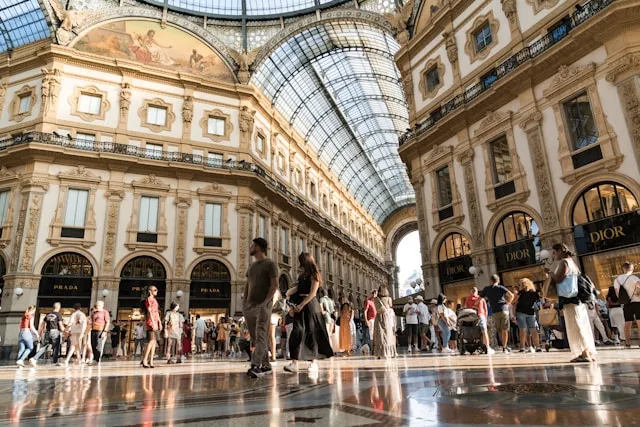
Avoid peak summer if possible
July-August in Europe brings maximum crowds to museums. Lines stretch for hours. Viewing quality drops when you're packed shoulder-to-shoulder.
Museum visits require strategy to avoid exhaustion and enhance learning.
Prioritize ruthlessly
You can't see everything. Major museums require multiple visits for comprehensive viewing. Choose specific sections or time periods rather than attempting complete coverage.
Morning visits
Museums are quietest the first hour after opening. Popular works get crowded as the day progresses.
Guided tours for context
First visit a museum with a guide who provides historical and artistic context. Return independently to revisit works that interested you.
Take breaks
Museum fatigue is real. After 2-3 hours, retention drops. Plan breaks for food or just sitting in museum cafes.
Read before you go
Basic art history knowledge improves museum experiences. Knowing why the Renaissance mattered helps you understand what you're seeing.
Combine related sites
Grouping museums by period or theme creates continuity. Visiting Uffizi then San Marco monastery in Florence shows Renaissance progression.
Cultural travel emphasizes learning and engagement over entertainment and relaxation.
Slower pace
Cultural trips don't rush through sites. You spend hours in museums where general tourism allocates 45 minutes.
Educational focus
Guides provide historical and artistic context. You learn why things matter, not just see famous objects.
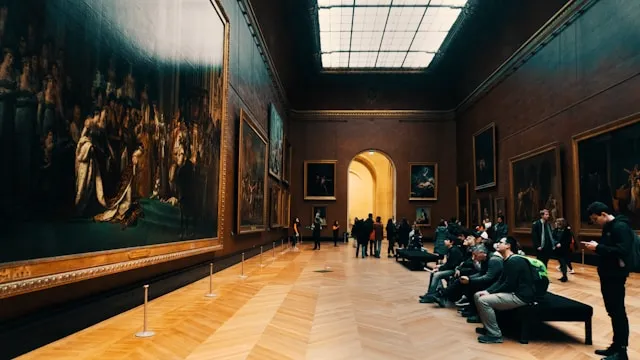
Indoor time
Much cultural travel happens inside museums and galleries. If you prefer outdoor activities, purely cultural trips might not satisfy.
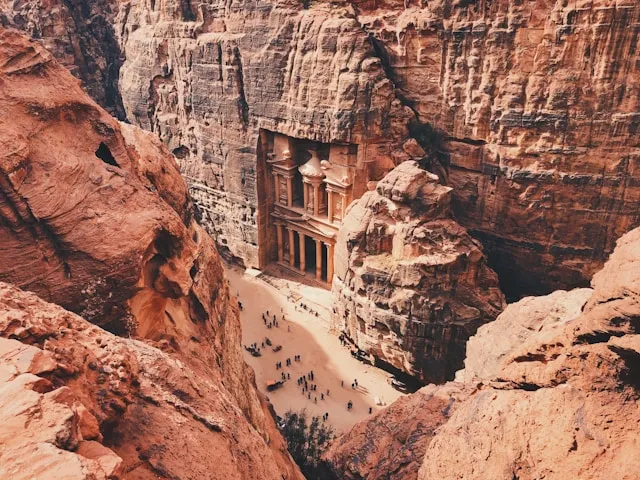
Physical demands
Standing in museums for hours, walking between sites, climbing to archaeological locations—cultural travel requires stamina.
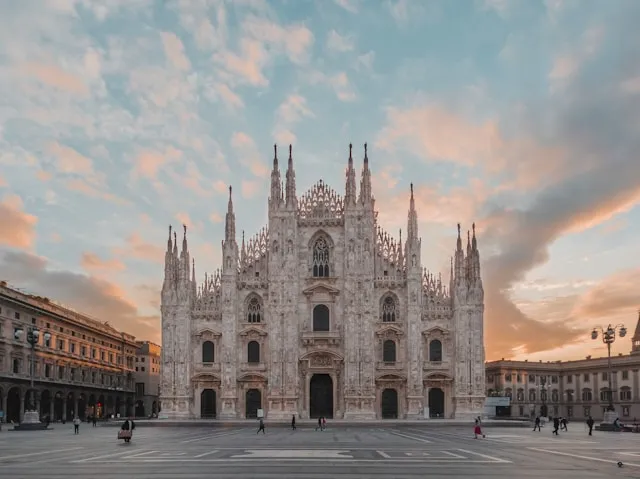
Weather independence
Rain doesn't ruin cultural trips the way it affects beach vacations. Museums provide climate-controlled environments.
Ready to plan a journey filled with museums, historic sites, performances, and immersive cultural experiences? Our team is here to help you design the perfect Art & Culture vacation—tailored to your interests, travel style, and pace.
Still have questions? Contact our team on support@mundotrip.com. Whether you have questions about itineraries, want expert suggestions, or need help finalizing your booking, we’re just a message away. We look forward to helping you create a meaningful and inspiring cultural adventure.
Related Vacation Packages: European Tour Packages, Cultural Tour Packages, Historical Tour Packages, City Break Packages
Do I need art history knowledge to enjoy cultural tours?
Are skip-the-line tickets worth the extra cost?
Can children enjoy art and culture travel?
Can I photograph in museums?
Do cultural tours work for solo travelers?
How many museums can I realistically visit per day?
Are audio guides better than live guided tours?
How much time should I allocate for major museums?
What's the best single destination for art lovers?
Are art and culture packages suitable for seniors?


Got Questions? Call us 24/7!
1-866-331-1746
Email for Us!
support@mundotrip.com
35 Journal Square Suite 424, Jersey City, NJ 07306






Copyright © 2026 Mundo Trip registered in New Jersey, United States Of America



