We build trips around you, not the other way around. Our team of travel specialists handles flights, hotels, car rentals, and vacation packages based on what you need. Flexible payment options like book Now Pay Later make booking easier on your budget. You also get 24/7 support, free cancellation within 24 hours, and hassle-free changes if plans shift. Best price guarantee, secure payments, and instant booking solution.

Guarantee

Customer Support

Free Cancellation

Payments

Changes

Booking
Eco-tourism means travel designed to minimize your impact on the places you visit while supporting conservation and local communities. Done properly, it works. Done poorly, it's just regular tourism with a green label slapped on.
At Mundotrip.com, we work with properties and tour operators who've implemented measurable environmental practices. Solar power, water conservation systems, local employment, and direct funding of conservation projects—these aren't marketing talking points but actual operational decisions. Our eco-tourism packages connect you with protected areas, endangered species habitats, and communities that benefit directly from responsible tourism. You're not just visiting these places. Your trip helps maintain them.
The term "eco-tourism" gets misused. Here's what matters.
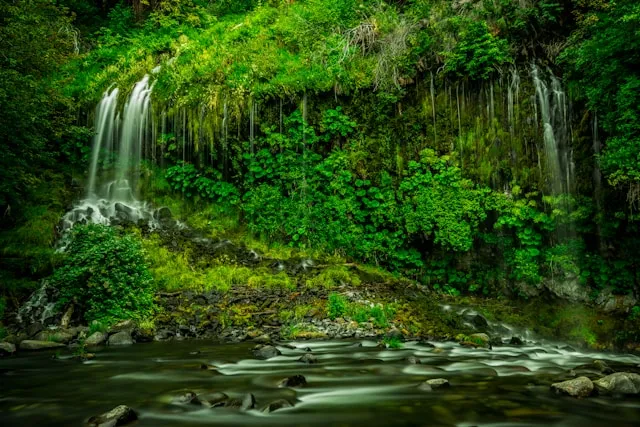
Certified sustainable accommodations
Look for properties with recognized certifications—Rainforest Alliance, LEED, Green Key, or regional equivalents. These require third-party audits, not self-declared claims.

Local community employment
Lodges should employ local people in meaningful roles, not just as cleaning staff. Revenue should support community infrastructure—schools, medical clinics, clean water projects.
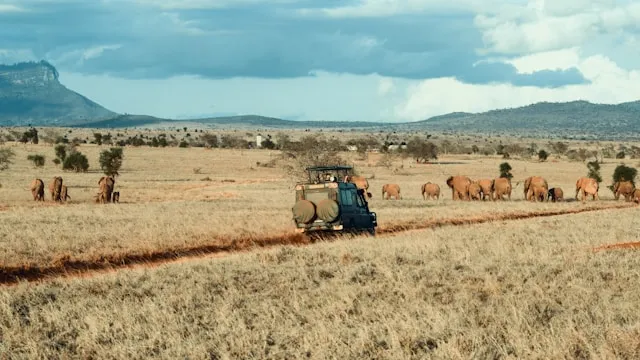
Conservation funding
A portion of your accommodation cost should fund wildlife protection, reforestation, or habitat restoration. Good operators specify exactly how much and where it goes.
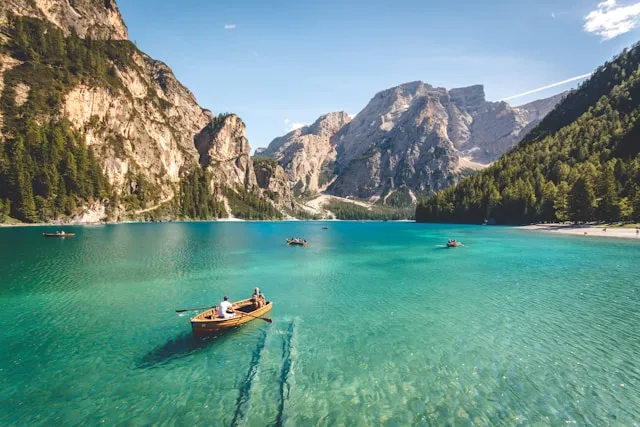
Low-impact infrastructure
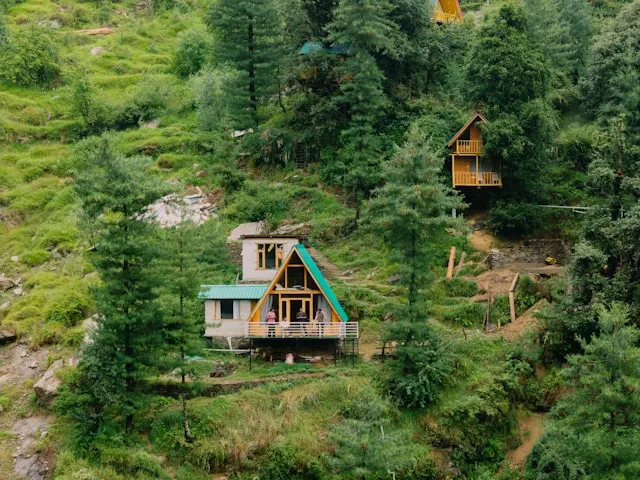
Properties built to minimize environmental disruption. This means renewable energy, greywater recycling, composting toilets, and structures that can be removed without permanent damage.
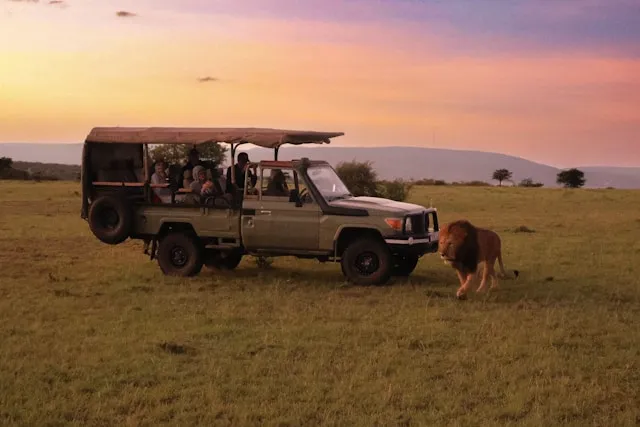
Small group sizes
Wildlife viewing works best with 6-8 people per guide. Larger groups stress animals and reduce individual sightings.
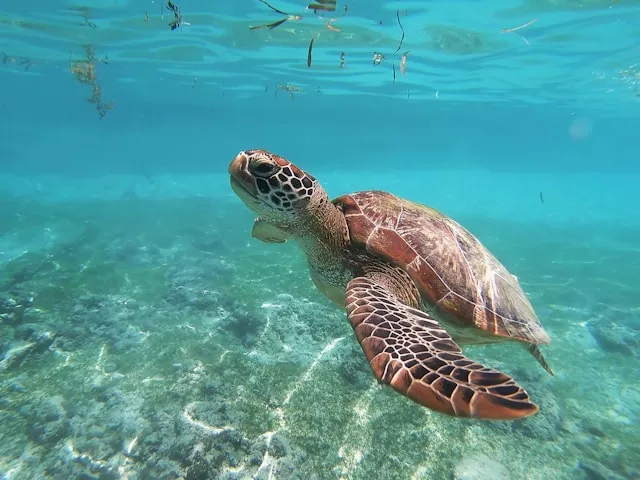
Responsible wildlife viewing
No feeding animals, maintaining proper distances, and staying on designated paths. Guides who let tourists chase lemurs or harass sea turtles for photos aren't running eco-tourism operations.
Find inspiration from top trips


Someone from our sales team will be in touch with you shortly
Some destinations have built their tourism industries around conservation. Others are emerging as alternatives to overdeveloped areas.
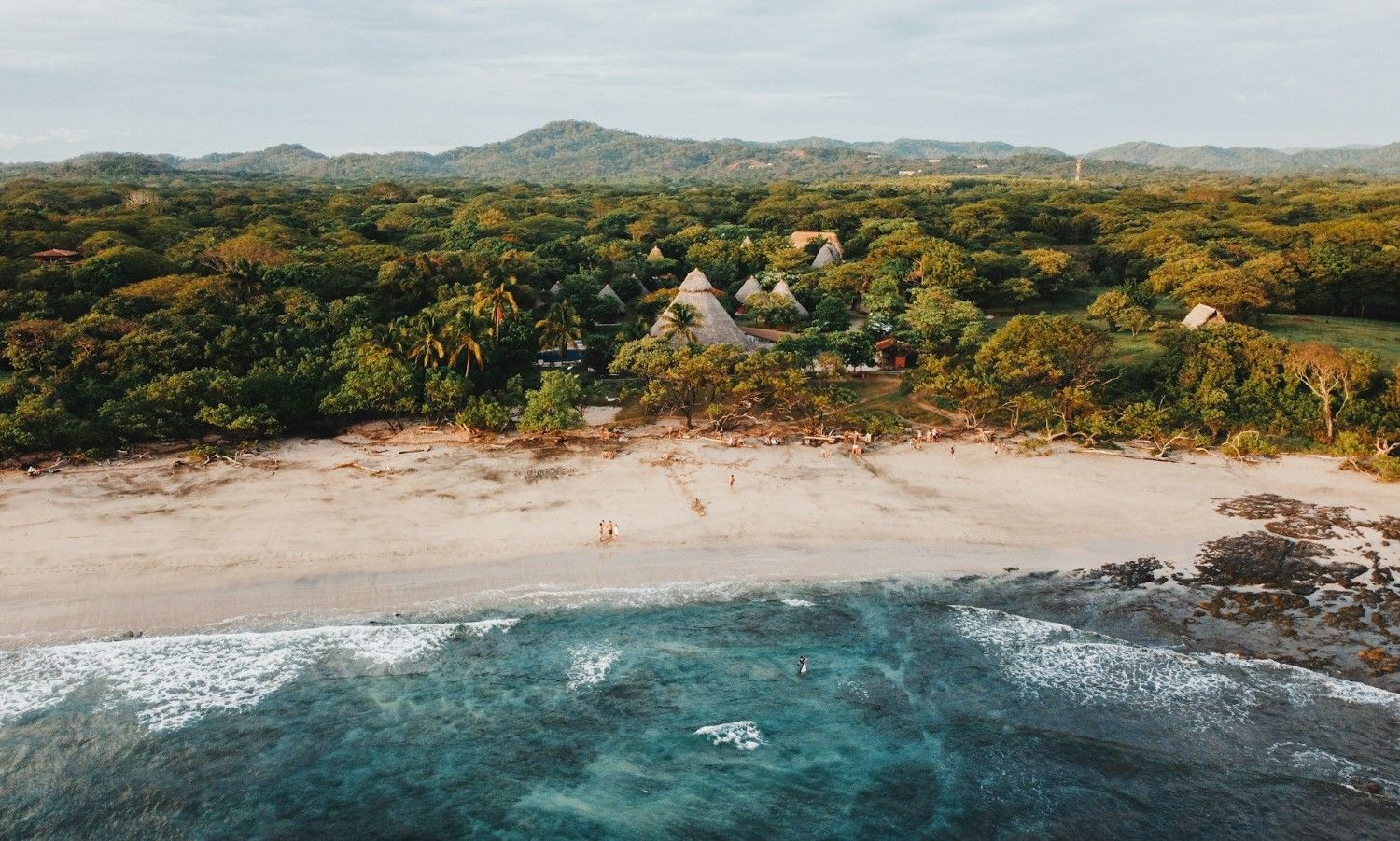
Costa Rica pioneered eco-tourism in the Americas. Twenty-five percent of the country operates as protected areas. You visit without controversy. Monteverde Cloud Forest offers zip lines through the canopy plus night walks to spot nocturnal species. Manuel Antonio combines beaches with coastal rainforest. Tortuguero hosts sea turtle nesting (July-October). Arenal area lodges use geothermal power and hot springs occur naturally. You're not burning fuel to heat water.
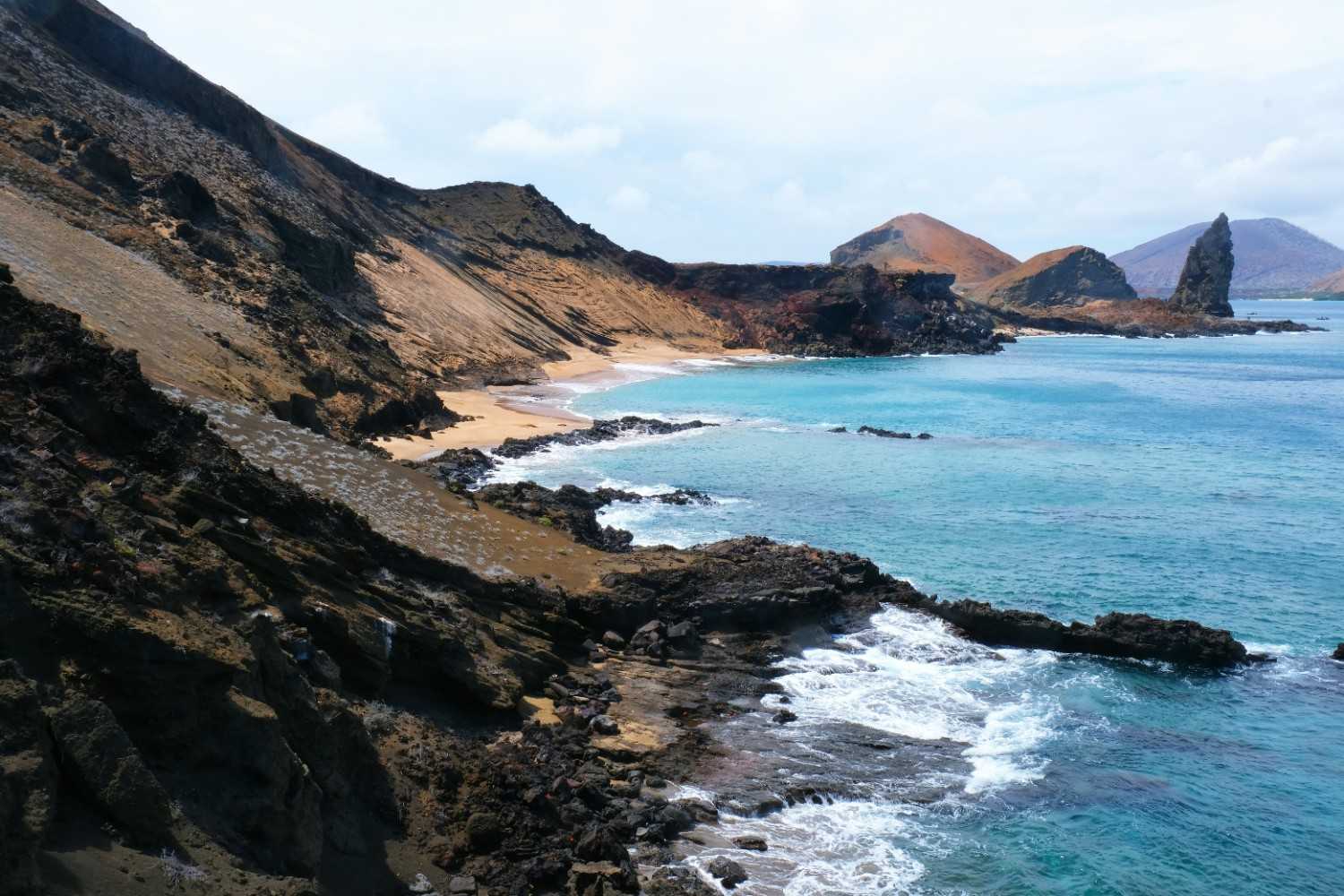
Ecuador strictly controls visitor numbers. You need a licensed guide for all island access. This system works— species populations have stabilized after decades of tourism. Boats range from budget to luxury but all follow identical rules about where you can go and what you can do. Sailing schedules stagger to prevent multiple groups at the same site. March through May offers warm water for snorkeling. June through November brings cooler temperatures but better wildlife viewing.

Norway combines dramatic nature with strong environmental regulations. Fjord cruises use electric or hybrid propulsion. Accommodation options include farmstays that practice organic agriculture. Hiking in Jotunheimen National Park or the Lofoten Islands follows established trails through landscapes that recover slowly from disturbance. Northern Lights viewing operates from low-impact lodges powered by renewable energy.
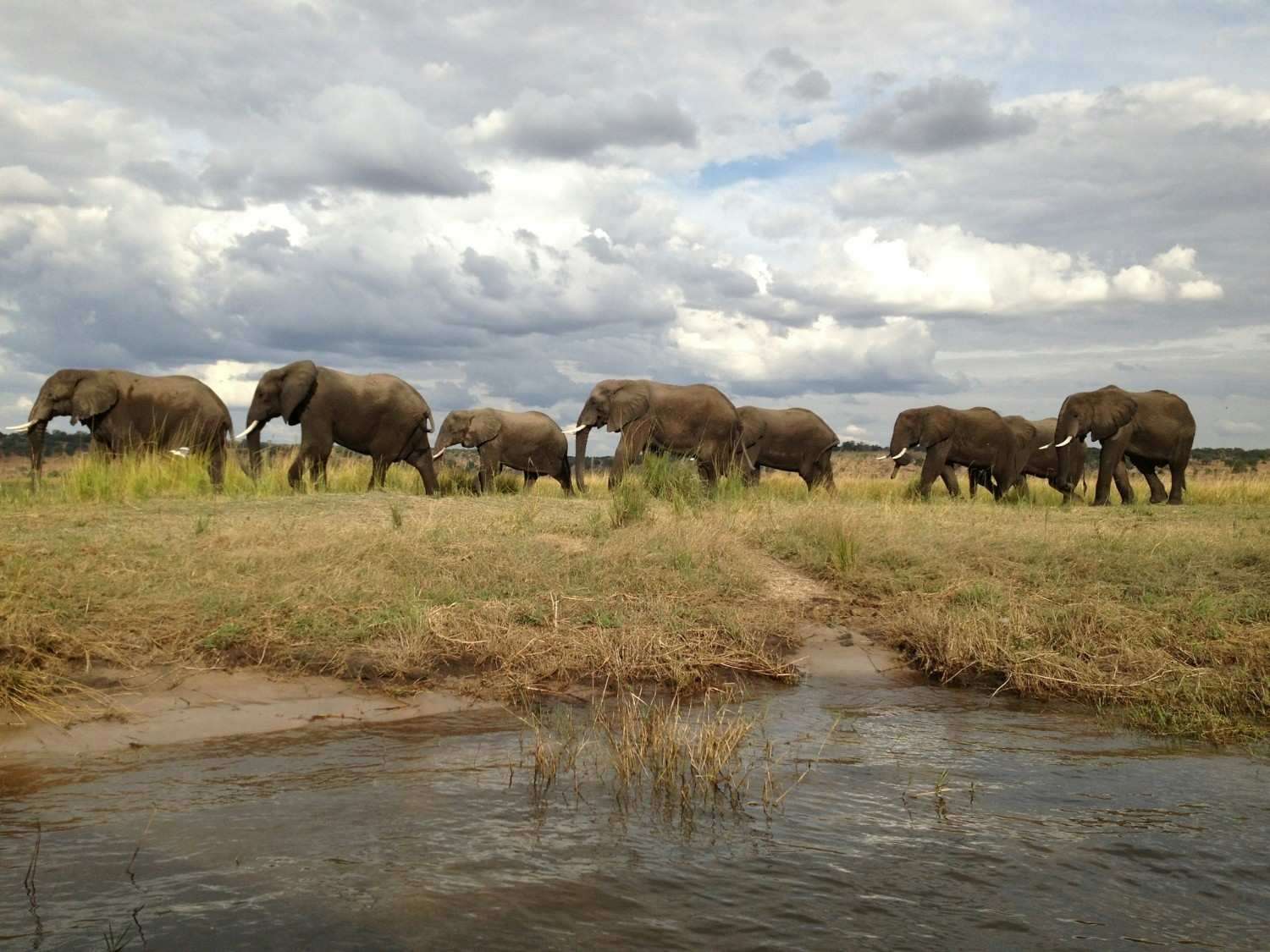
Botswana deliberately keeps safari costs high to limit visitor numbers. This protects wilderness areas from overuse. Okavango Delta camps operate under strict environmental standards. Most are seasonal and completely removable. Waste gets flown out. Water use is carefully monitored. Game viewing happens in open vehicles or mokoros (traditional canoes). You move quietly through habitats without permanent roads or infrastructure.
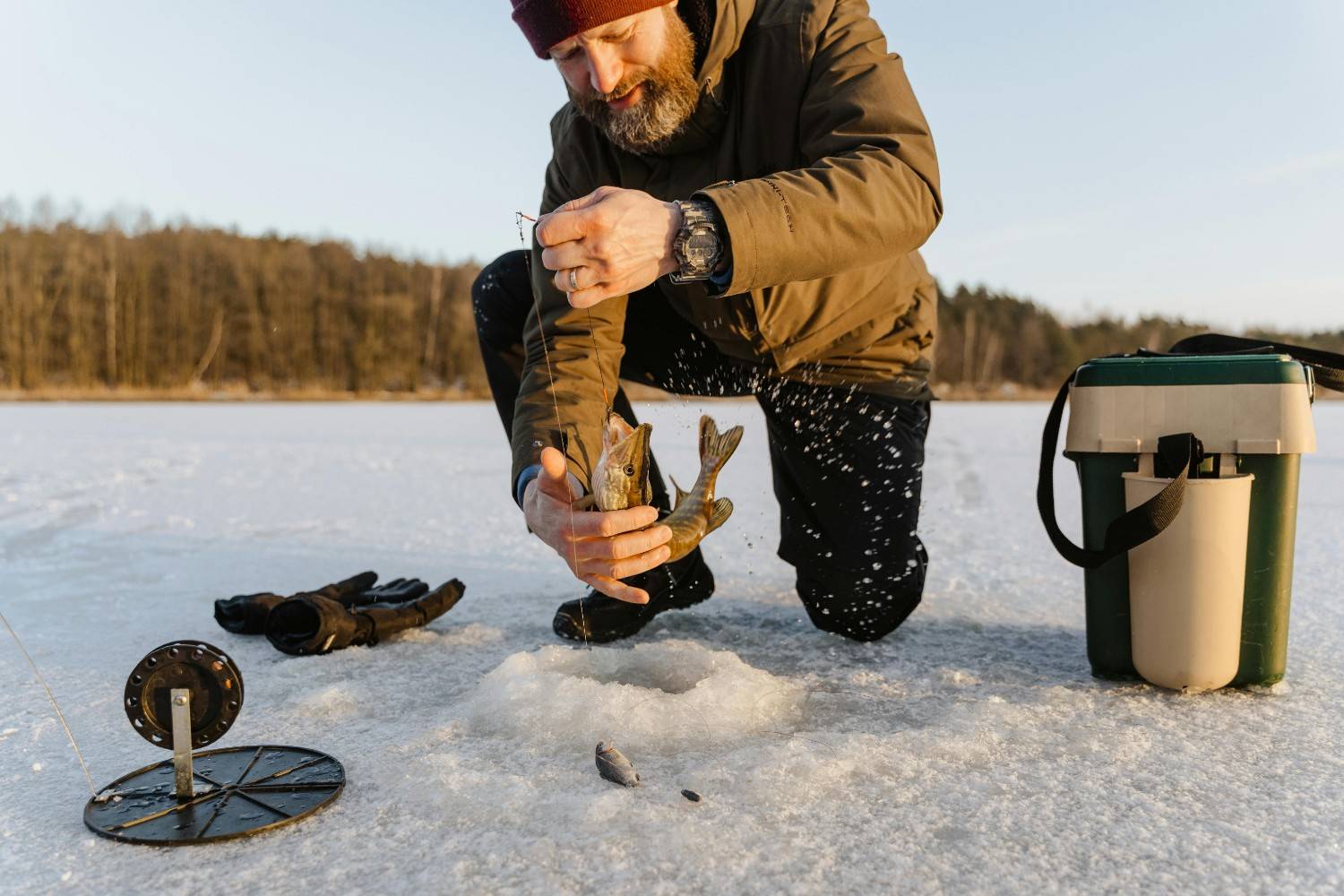
Iceland runs almost entirely on renewable energy. Geothermal and hydroelectric power cover virtually all electricity needs. Highland tours follow marked routes to prevent soil erosion. Camping requires designated sites with facilities. Summer (June-August) provides 24-hour daylight for hiking. Winter brings northern lights but limited access to interior regions.

New Zealand maintains extensive conservation lands. Department of Conservation huts provide backcountry accommodation without permanent development. Predator-free islands off the coast protect endangered species. Day trips and overnight stays support ongoing conservation work. Great Barrier Reef alternatives exist here—Abel Tasman National Park and Poor Knights Islands offer marine reserves with excellent snorkeling.
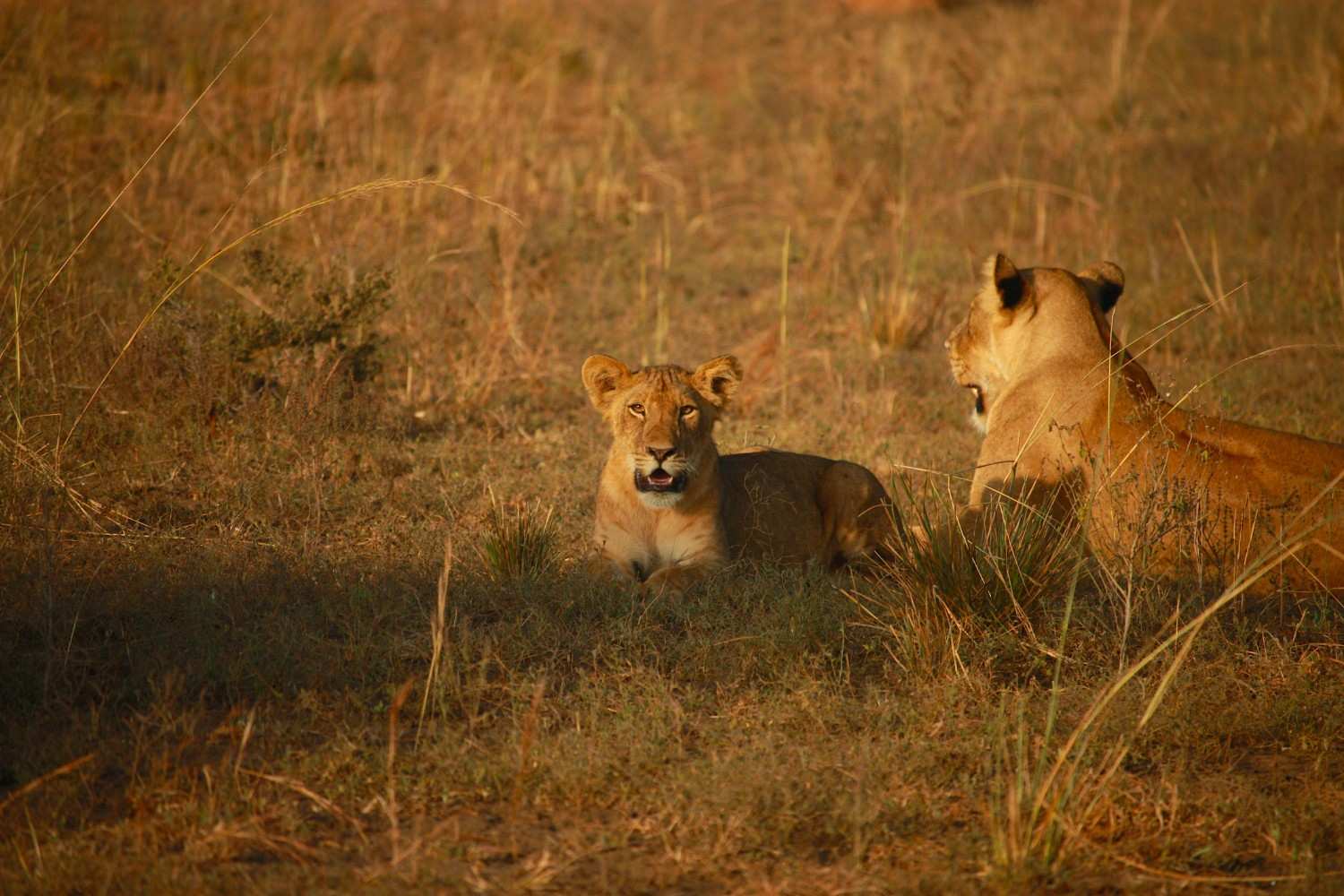
Safari tourism in Tanzania and Kenya funds anti-poaching units and wildlife corridors. Community conservancies let local people benefit directly from protecting rather than competing with wildlife. Traditional safari areas get crowded. Northern Tanzania's Tarangire or Kenya's Samburu see fewer vehicles while supporting similar conservation models.
Eco-tourism isn't just wildlife viewing. Options vary significantly.
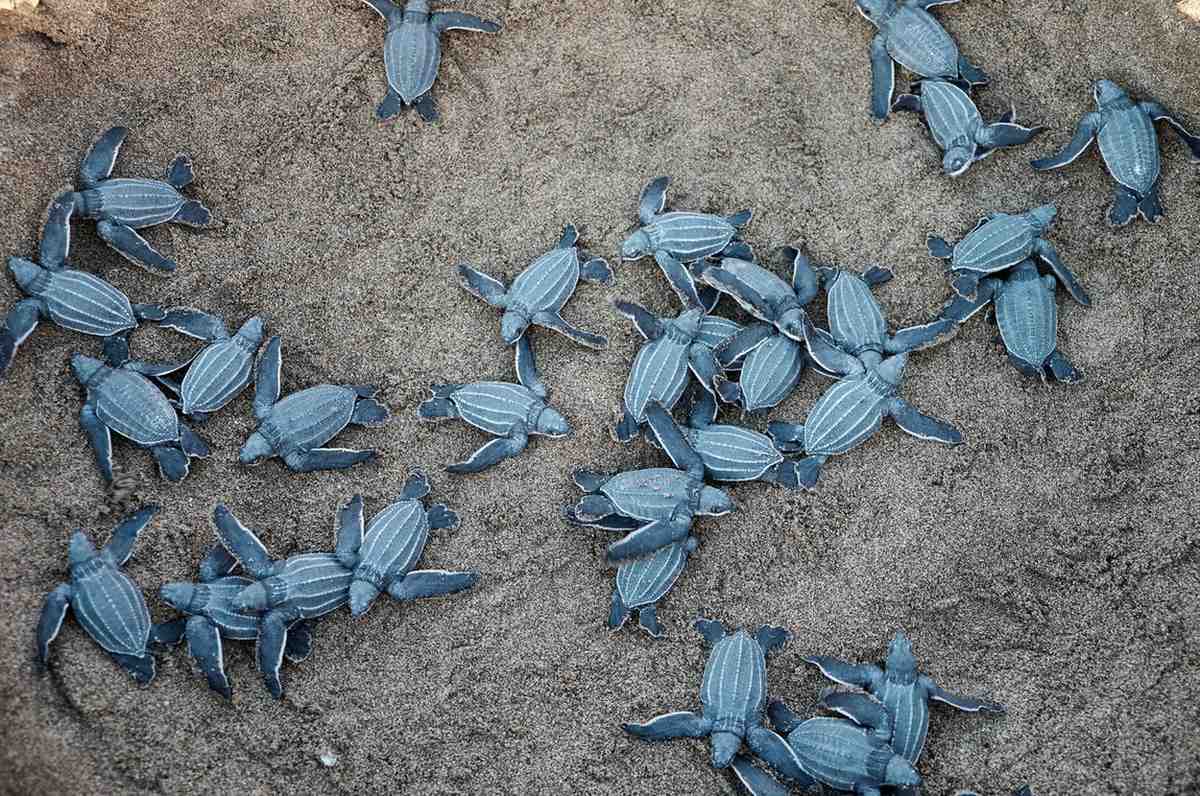
Wildlife tracking and monitoring
Join researchers tracking jaguar movements in the Pantanal or monitoring sea turtle nests in Costa Rica. You participate in actual conservation work, not staged tourist activities
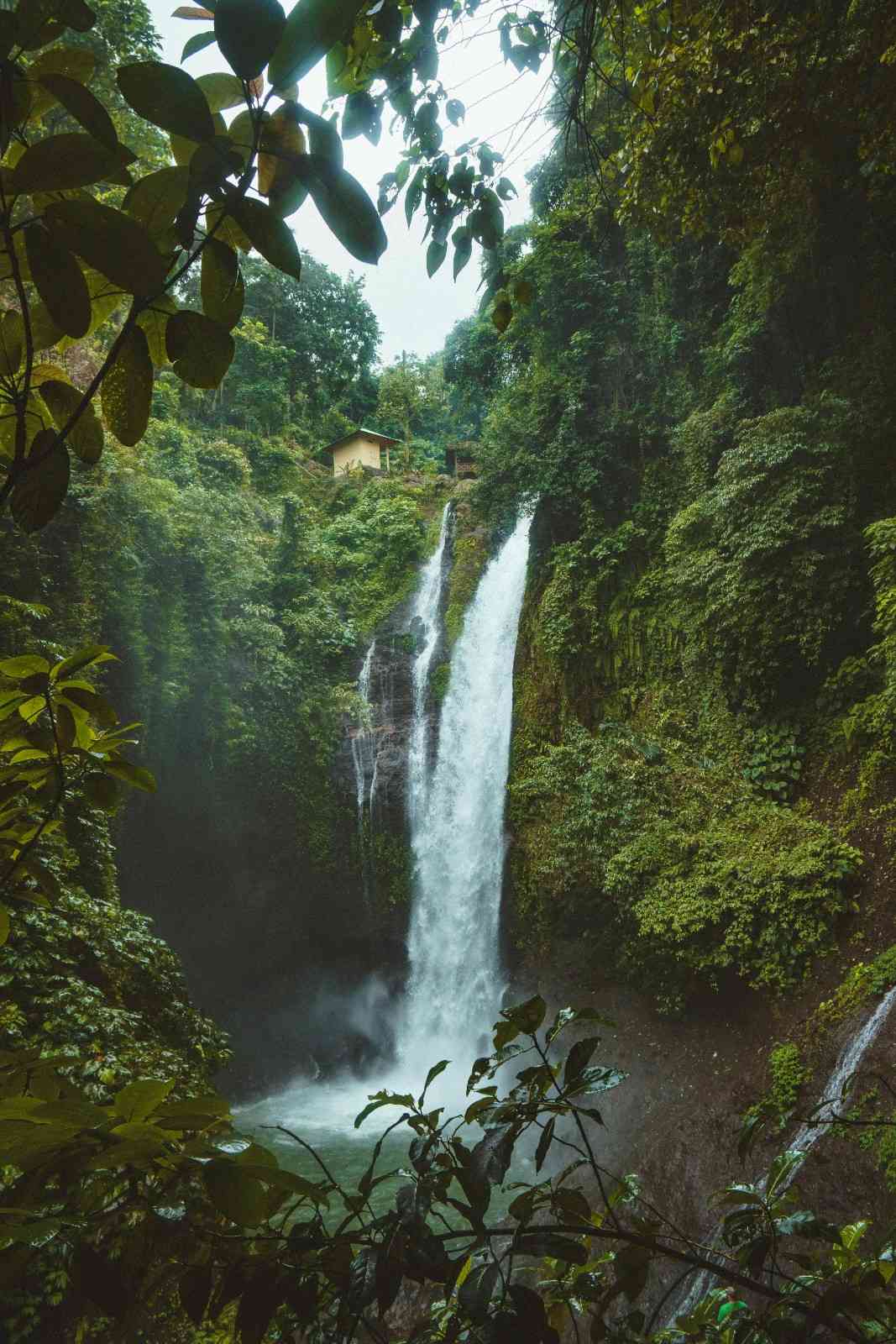
Reforestation projects
Madagascar and Indonesia offer tree planting trips where you work alongside local teams. You see exactly where your effort goes.
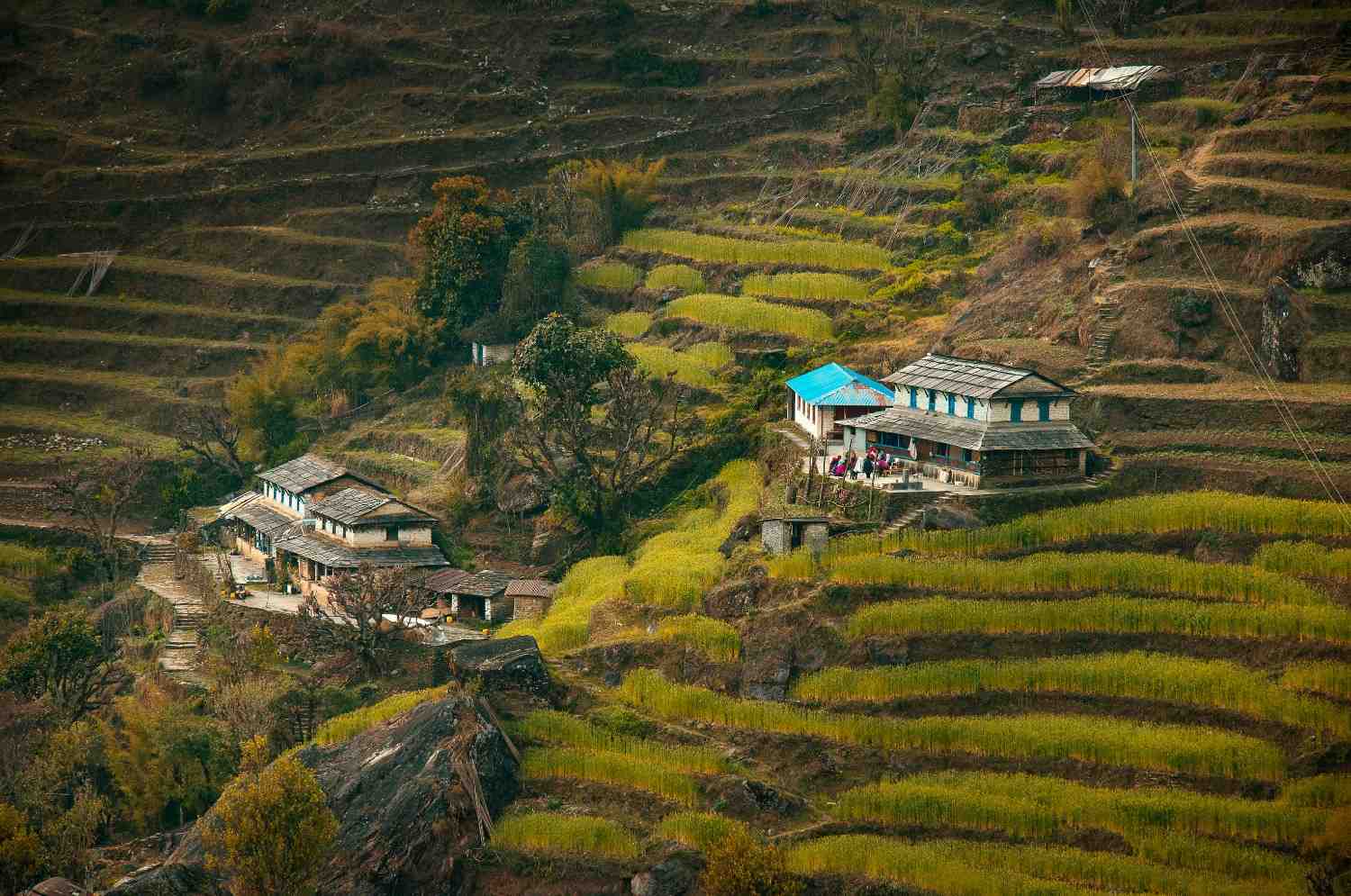
Community-based tourism
Stay in villages that have replaced resource extraction with tourism income. Nepal homestays, Maasai-owned lodges in Kenya, and indigenous-run Amazon tours demonstrate this model.
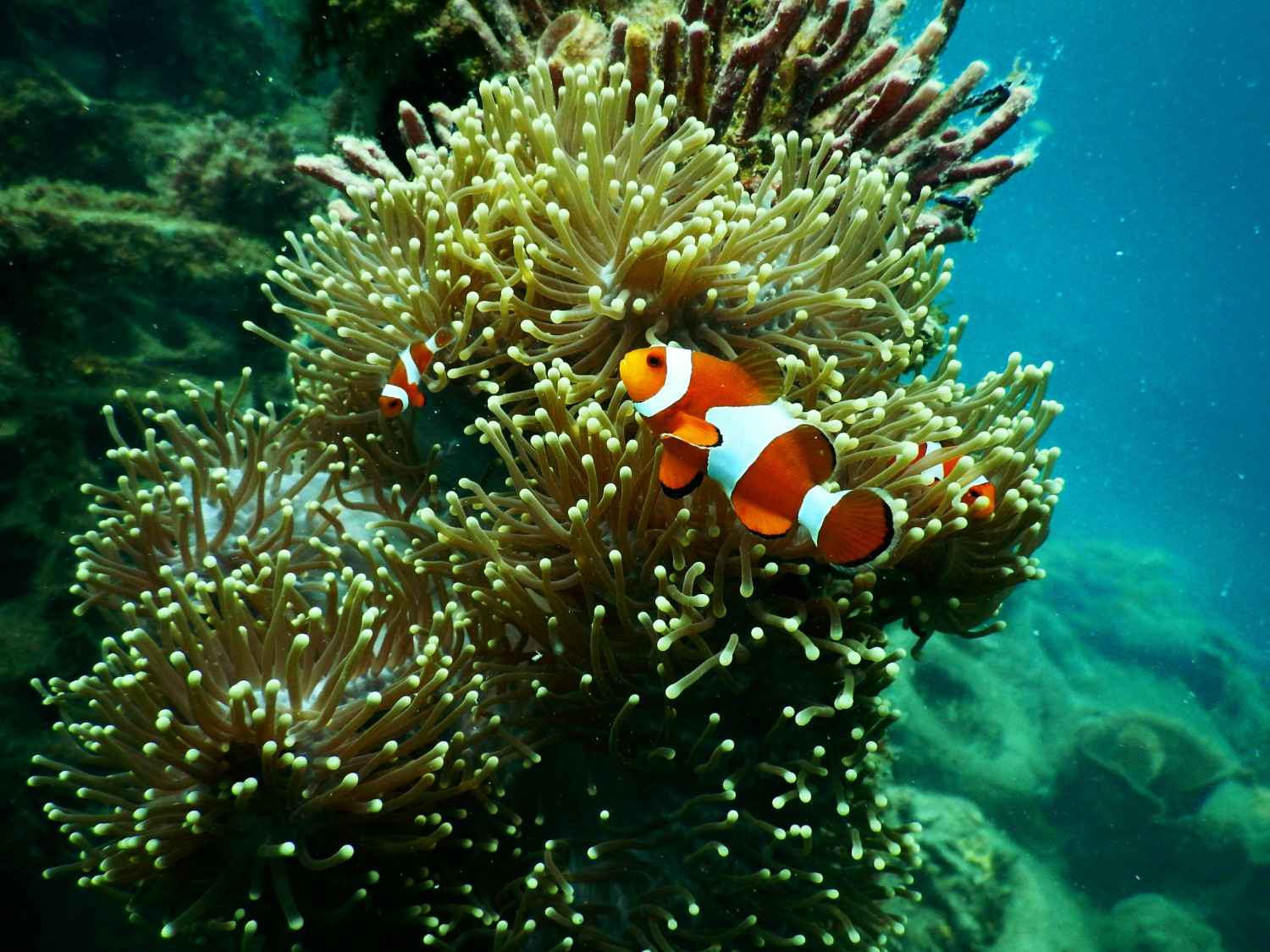
Marine conservation
Coral reef monitoring in Nepal Belize or the Philippines. You help scientists collect data on reef health while snorkeling.

Birdwatching and wildlife photography
Ecuador cloud forests, Uganda for mountain gorillas, or Norway for arctic species. Your visit funds habitat protection.
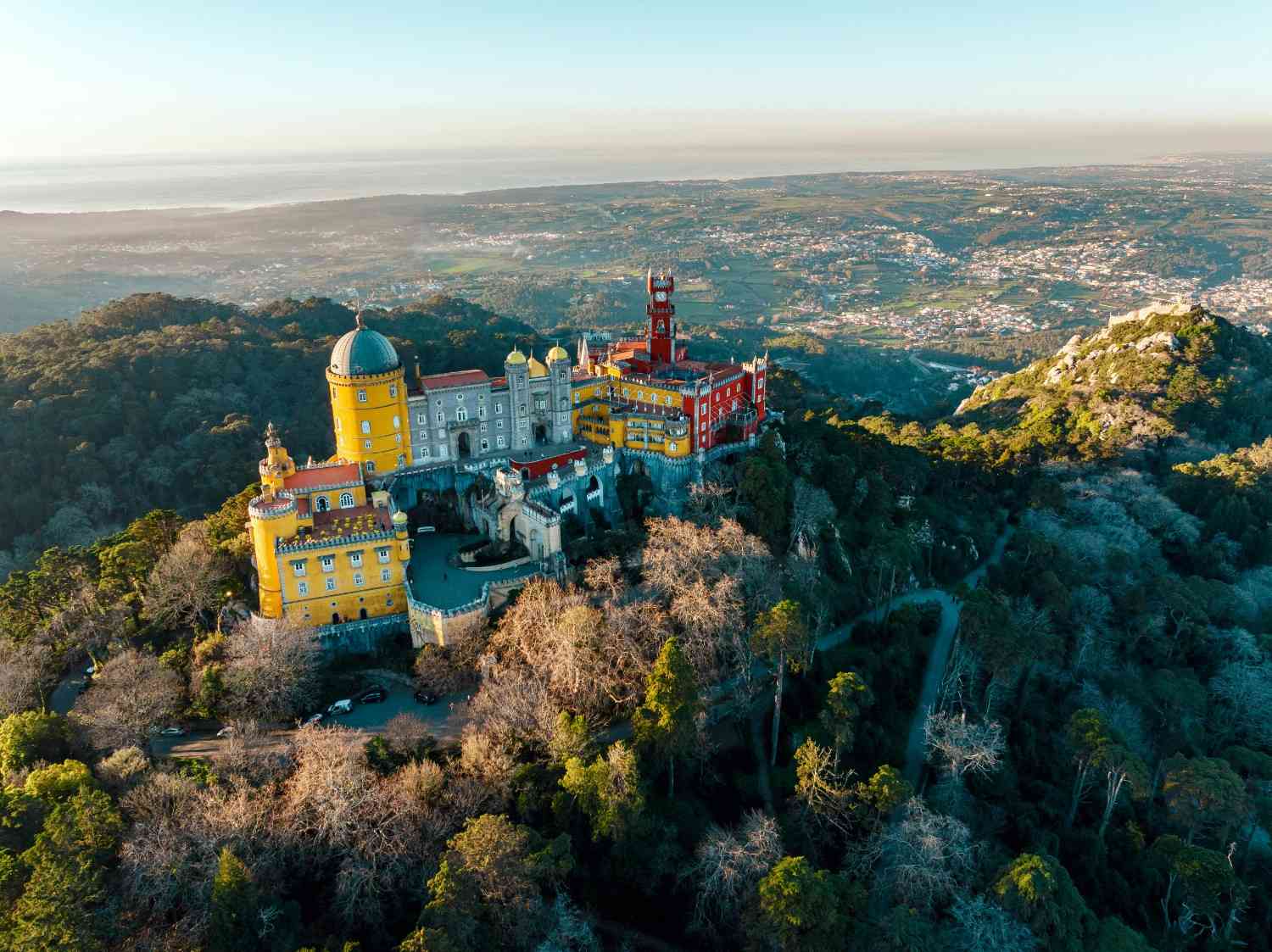
Sustainable agriculture tours
Organic coffee farms in Colombia, permaculture projects in Portugal, or rice terraces in Bali. You learn about alternatives to industrial farming while supporting farmers directly.
Timing affects both wildlife viewing and your environmental impact.
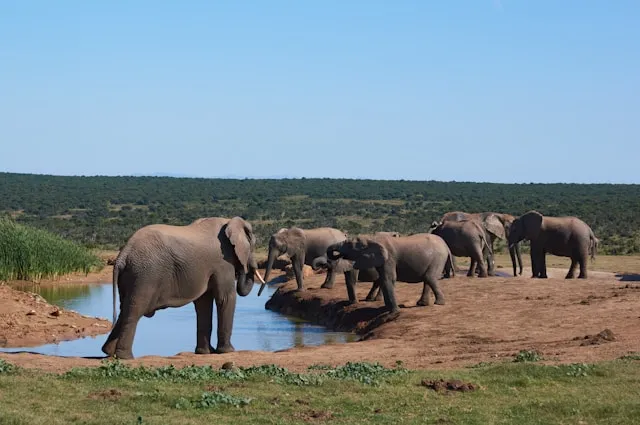
Dry season advantages
Wildlife concentrates near water sources, making viewing easier. Roads remain passable without heavy vehicles that damage soft soil. East Africa (June-October), Botswana (May-October).
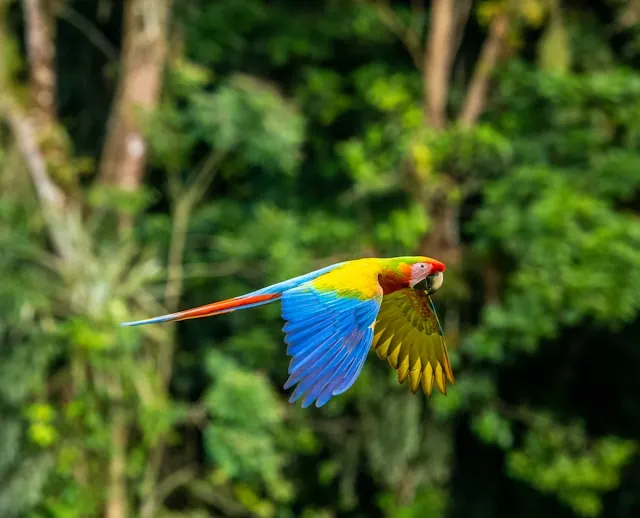
Wet season considerations
Fewer tourists means less stress on environments. Lower prices. Bird migrations. Costa Rica's green season (May-November) provides excellent wildlife viewing despite afternoon rains.
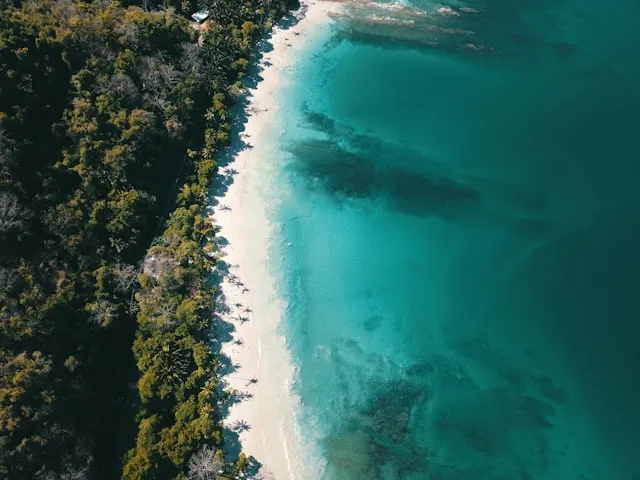
Avoid peak seasons when possible
Tourist influx overwhelms local infrastructure. If everyone visits during one 3-month window, the destination builds capacity for those three months that sits empty and wasteful the rest of the year. Consider shoulder seasons.
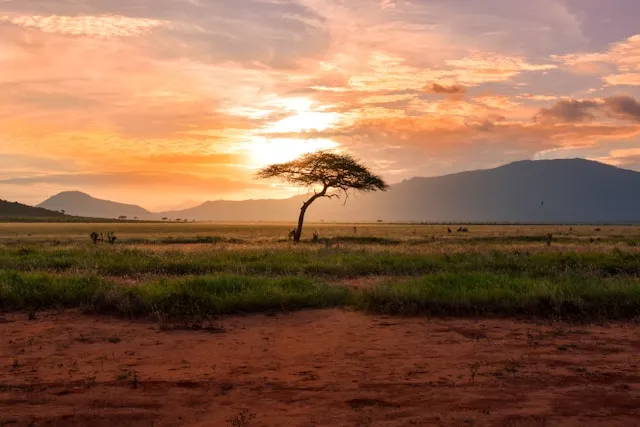
Breeding and nesting periods
Some eco-tourism activities shut down during critical wildlife periods. Sea turtle nesting sites close to visitors. Bird colonies restrict access. This protects animals but limits your options. Check before booking.
Companies claim sustainability without backing it up. Here's how to check.
Ask specific questions
"What percentage of staff are local?" "Where exactly does conservation funding go?" "What certifications do you hold?" Vague answers indicate vague commitment.
Request documentation
Legitimate operations provide carbon offset calculations, waste management procedures, and financial transparency reports. If they can't show you specifics, question their claims.
Check independent reviews
Look beyond star ratings. Read what previous travelers say about environmental practices. "They talked about conservation but left trash everywhere" is a red flag.
Research certifications
Not all eco-certifications mean much. Rainforest Alliance and LEED require extensive audits. "Eco-friendly" labels anyone can print don't indicate actual practices.
Compare to similar operators
If one lodge claims to be sustainable while charging the same price as luxury properties using conventional practices, something doesn't add up. Environmental responsibility often costs more initially.
Responsible travel usually costs more than standard packages. Here's why.
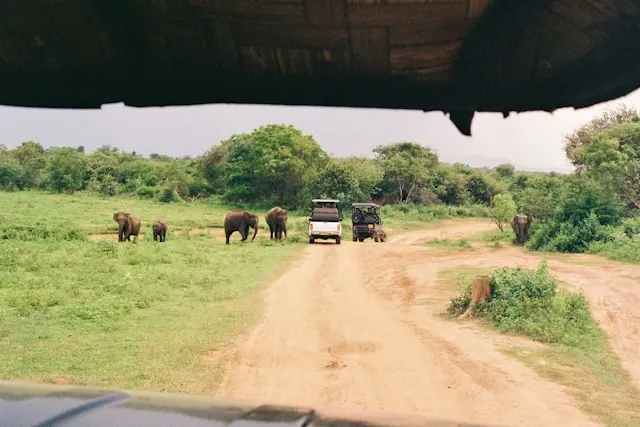
Smaller group sizes
Smaller group sizes mean higher per-person costs. A vehicle carrying four tourists rather than twelve needs to charge more per seat to break even.
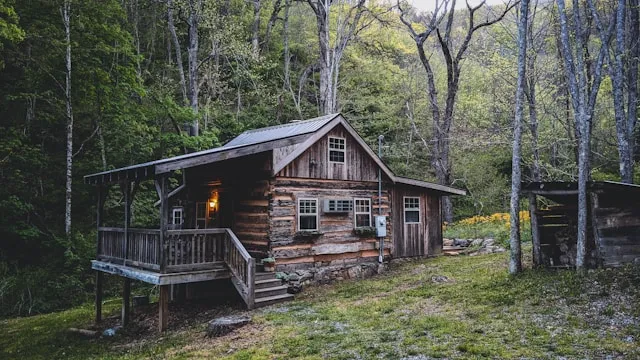
Sustainable lodges cost
Sustainable lodges cost more to build and operate. Solar panels, water treatment systems, and sustainable materials require larger upfront investments.
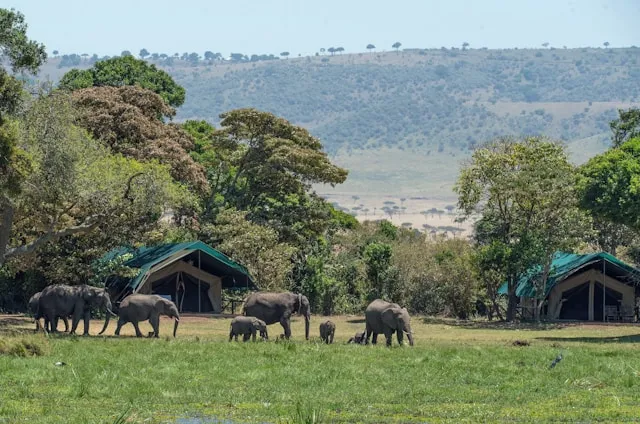
Fair wages for local staff
Fair wages for local staff increase operational costs. Paying guides $20/day versus $80/day shows up in prices.
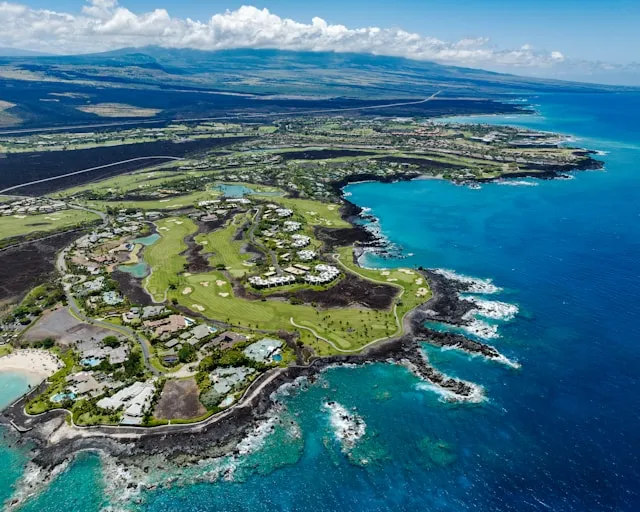
Conservation fees get added
Conservation fees get added to accommodation costs. This money funds protection programs but increases what you pay.
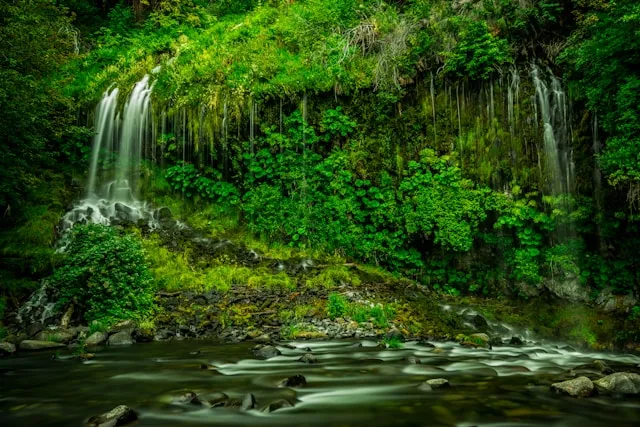
costs aren't always higher
However, costs aren't always higher. Off-season eco-tourism can cost less than peak-season conventional travel to the same destination.
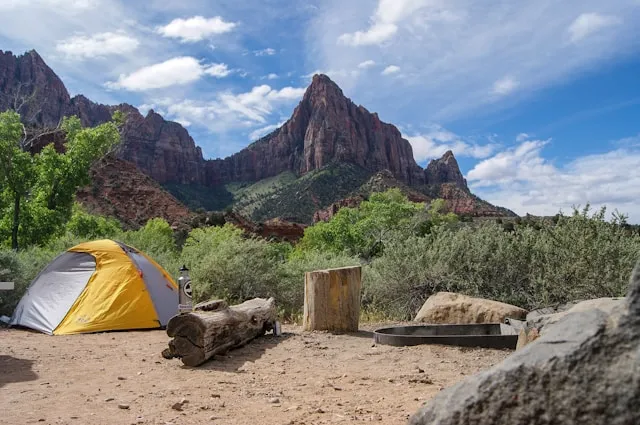
Budget eco-tourism exists
Budget eco-tourism exists—camping in national parks, staying in basic community-run guesthouses, eating locally sourced food. You don't need luxury to travel responsibly.
Eco-tourism differs from standard travel in meaningful ways.
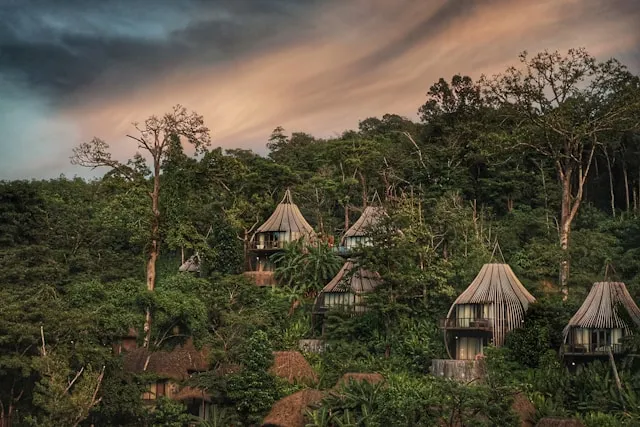
Environmental impact
Eco-tourism actively works to minimize damage. Traditional tourism treats environmental protection as optional or afterthought.
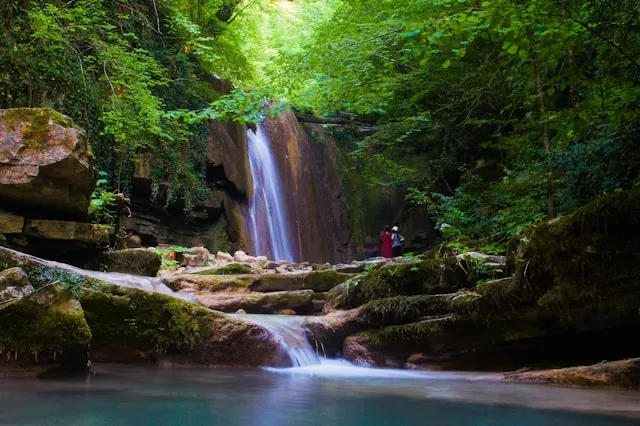
Community benefit
Responsible operators ensure local people benefit directly. Standard tourism often concentrates profits with outside owners.
Wildlife interaction
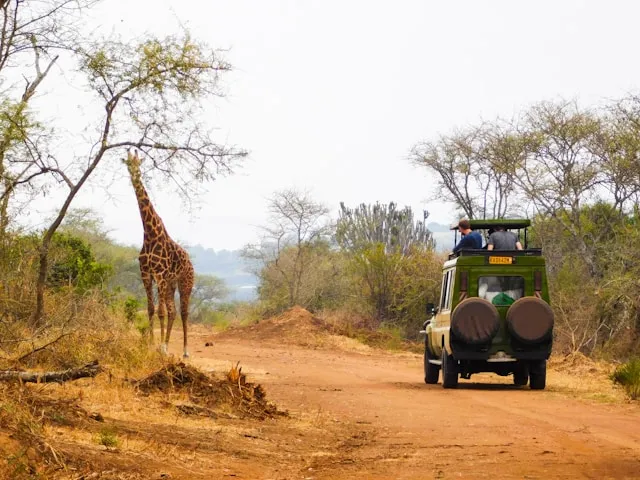
Eco-tourism maintains proper distances and limits group sizes. Traditional tours let people crowd animals for photos.
Long-term thinking
Eco-tourism considers whether destinations can sustain visitor numbers indefinitely. Traditional tourism maximizes short-term profits regardless of long-term consequences.
Educational focus
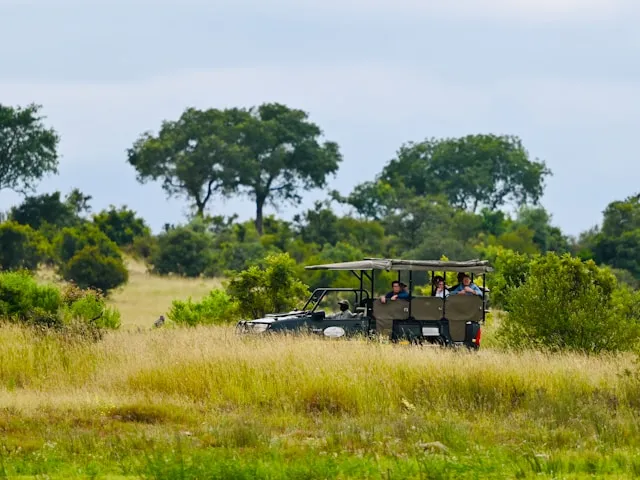
Guides on eco-tours explain ecosystems, conservation challenges, and how tourism supports protection. Standard tours focus on entertainment and photo opportunities.
Ready to travel responsibly? Browse our selection of verified eco-tourism packages to destinations committed to conservation and sustainable practices. Still have questions? Contact our team on support@mundotrip.com.
Consider these related options: Adventure Vacation Packages for active sustainable travel, Safari Vacation Packages that support conservation, Island Vacation Packages to less-developed destinations. Choose destinations where your visit makes a positive difference.
Related Packages: Mountain Vacation Packages, Desert Vacation Packages, Fishing Vacation Packages, Glamping Packages, Treehouse Stays Packages, Fall Foliage Packages, Eco-Certified Vacation Packages, Safari Vacation Packages, Beach Vacation Packages, All-Inclusive Vacation Packages
Is eco-tourism actually better for the environment than staying home?
Do eco-tourism trips cost significantly more than regular packages?
What's the best eco-tourism destination for first-timers?
What should I do if I see unethical practices during an eco-tour?
How can I tell if an eco-lodge is genuinely sustainable or just greenwashing?
Can I do eco-tourism with kids?
Are all-inclusive beach resorts ever eco-friendly?
Can solo travelers join eco-tourism trips?


Got Questions? Call us 24/7!
1-866-331-1746
Email for Us!
support@mundotrip.com
35 Journal Square Suite 424, Jersey City, NJ 07306






Copyright © 2026 Mundo Trip registered in New Jersey, United States Of America



