


 22 May, 2026
Air India Launches New Maharaja Lounge at San Francisco Airport | MundoTrip
22 May, 2026
Air India Launches New Maharaja Lounge at San Francisco Airport | MundoTrip
MundoTrip | Travel News | 22 May, 2026
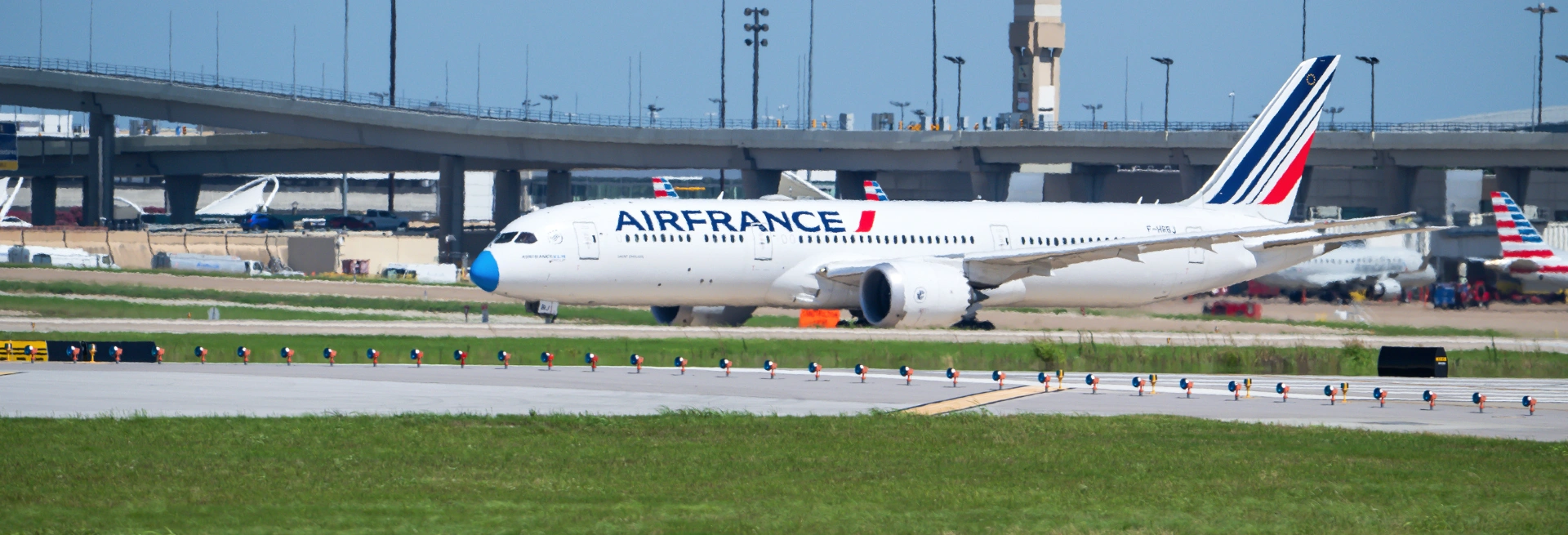
Passengers aboard Air France Flight AF378 traveling from Paris to Detroit experienced an unexpected international travel disruption after the aircraft was diverted mid-flight to Montréal, Canada, following newly introduced US Ebola-related travel restrictions linked to Central Africa. The incident occurred after US authorities determined that one of the passengers onboard had recently traveled from the Democratic Republic of Congo, triggering entry restrictions that prevented the aircraft from landing directly in Detroit. Aviation officials later confirmed that the diversion was precautionary and related to public health travel regulations rather than a medical emergency onboard the aircraft. The flight eventually continued to Detroit after Canadian authorities assessed the affected passenger and additional procedures were completed.
Air France Flight AF378 departed from Paris Charles de Gaulle Airport on its scheduled route to Detroit Metropolitan Wayne County Airport before US authorities instructed the aircraft to divert to Montréal Trudeau International Airport in Canada. According to aviation and border control officials, the diversion was ordered after authorities determined that a passenger onboard should not have been permitted to travel directly into the United States under newly updated Ebola-related entry restrictions. Aviation analysts say international diversions connected to public health regulations are rare but can occur when governments introduce emergency screening measures or temporary travel controls affecting passengers traveling from high-risk regions.
The incident is directly connected to new US public health travel restrictions introduced following concerns surrounding the latest Ebola outbreak in parts of Central Africa. US authorities recently announced enhanced screening and travel protocols for passengers who have recently visited the Democratic Republic of Congo, Uganda, or South Sudan within the previous 21 days. Under the updated regulations, certain travelers are only permitted to enter the United States through Washington Dulles International Airport, where enhanced public health screening procedures are currently being conducted. Because Detroit was not designated as an approved entry point under the temporary restrictions, the aircraft was denied permission to land there once the passenger’s travel history was identified.
Air France and public health officials later confirmed that there was no medical emergency onboard the aircraft and no passengers were reported sick during the flight. Canadian public health authorities assessed the affected traveler after the aircraft landed in Montréal and determined that the passenger showed no Ebola symptoms. Officials also confirmed that the diversion was based entirely on compliance with US entry regulations and precautionary health screening measures rather than any confirmed illness onboard the aircraft. Aviation experts say it is important for travelers to understand that the incident was not caused by an active medical emergency or in-flight health crisis.
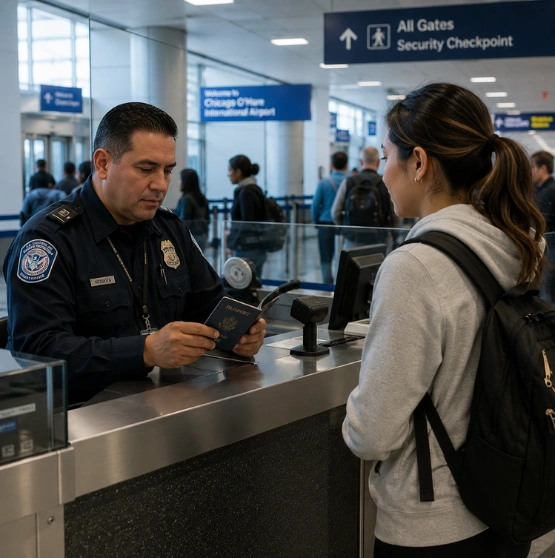
After the aircraft landed in Montréal and authorities completed the required screening and immigration procedures, the remaining passengers continued their journey to Detroit aboard the same aircraft. Travel experts say situations involving international travel restrictions and emergency entry rule changes can occasionally create delays, diversions, and additional screening procedures for travelers flying between Europe, North America, and regions affected by public health advisories. Aviation analysts also note that airlines and border authorities often make rapid operational decisions during evolving public health situations to comply with international travel regulations and protect passenger safety.
The latest travel restrictions were introduced as part of broader public health measures coordinated by the US Centers for Disease Control and Prevention and the Department of Homeland Security following growing concerns surrounding the ongoing Ebola outbreak involving the Bundibugyo virus strain in Central Africa. Under the current policy, travelers arriving in the United States after visiting certain affected countries may be subject to enhanced health screening, additional travel documentation checks, and restricted airport entry procedures. Public health experts say these measures are designed to improve monitoring and reduce potential public health risks while still allowing international travel to continue under controlled conditions.
The incident is highly relevant for US travelers because it highlights how international public health regulations can directly affect global flight operations, border entry procedures, and travel schedules even for passengers not traveling from affected regions themselves. Travelers flying internationally between Europe, Africa, and North America may experience additional document verification, route changes, or airport screening procedures as global health authorities continue monitoring disease outbreaks and international travel patterns. Aviation experts say travelers should remain aware of evolving international entry requirements, especially when traveling on long-haul international routes involving multiple countries or connecting airports.
Airlines across the world continue adapting operations to changing global travel regulations involving immigration rules, health screening procedures, and government travel advisories. Aviation analysts say the Air France diversion demonstrates how quickly international airlines may need to respond when updated entry restrictions are introduced by governments or public health agencies. Industry experts also note that operational disruptions connected to public health policies can sometimes create broader scheduling challenges for airlines and passengers, particularly on long-haul international routes where flights may already be airborne when new restrictions are enforced.
Travel experts recommend that passengers planning international travel closely monitor official government travel advisories, airline notifications, visa requirements, and public health guidance before departure, especially when traveling between continents or through major international hubs. Travelers are also encouraged to confirm entry requirements for transit countries and final destinations before boarding flights because international health policies and border regulations can occasionally change with limited notice during global public health situations. Aviation experts say maintaining updated travel documentation and monitoring airline communication channels can help reduce confusion and minimize disruptions during unexpected travel events.
International travelers flying between Europe, Africa, Canada, and the United States are encouraged to review the latest government entry requirements and health screening rules before departure, as global travel regulations continue evolving. For additional travel assistance, international itinerary planning, or flight guidance, MundoTrip’s travel support team remains available 24/7 to assist travelers during changing global travel conditions.
 22 May, 2026
Air India Launches New Maharaja Lounge at San Francisco Airport | MundoTrip
22 May, 2026
Air India Launches New Maharaja Lounge at San Francisco Airport | MundoTrip
 22 May, 2026
JetBlue Expands New York JFK Service to Saint Lucia for Summer 2026 | MundoTrip
22 May, 2026
JetBlue Expands New York JFK Service to Saint Lucia for Summer 2026 | MundoTrip
 22 May, 2026
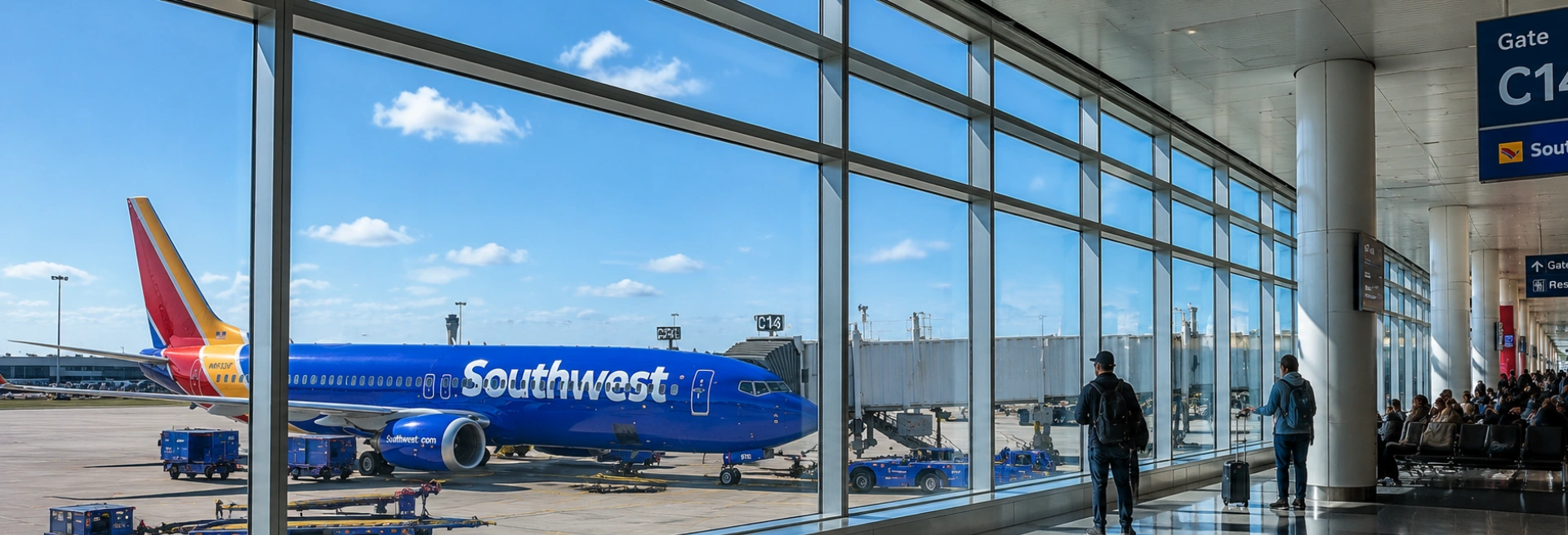
Southwest Expands Orlando and Las Vegas 2026 Routes
22 May, 2026
Southwest Expands Orlando and Las Vegas 2026 Routes
 22 May, 2026
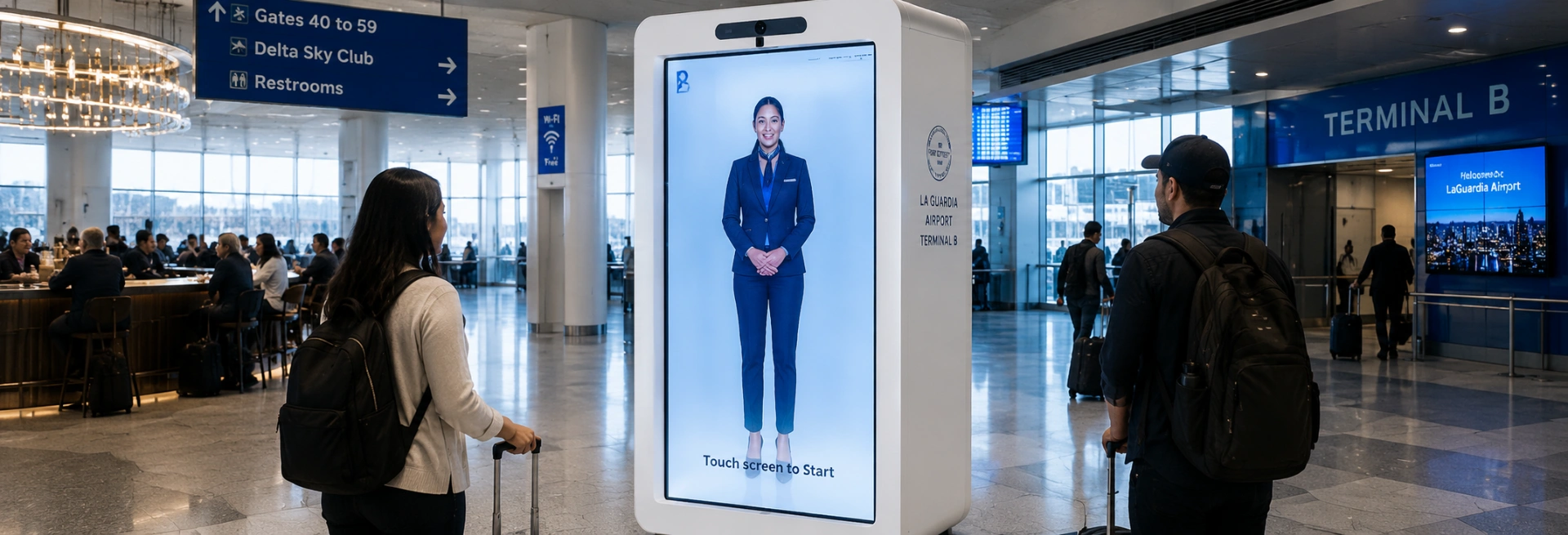
LaGuardia Launches AI Hologram Concierge for Travelers
22 May, 2026
LaGuardia Launches AI Hologram Concierge for Travelers
 21 May, 2026
Tampa International Airport Expands Airside D | Passenger Experience Upgrade
21 May, 2026
Tampa International Airport Expands Airside D | Passenger Experience Upgrade


Got Questions? Call us 24/7!
1-866-331-1746
Email for Us!
support@mundotrip.com
35 Journal Square Suite 424, Jersey City, NJ 07306






Copyright © 2026 Mundo Trip registered in New Jersey, United States Of America