


 29 May, 2026
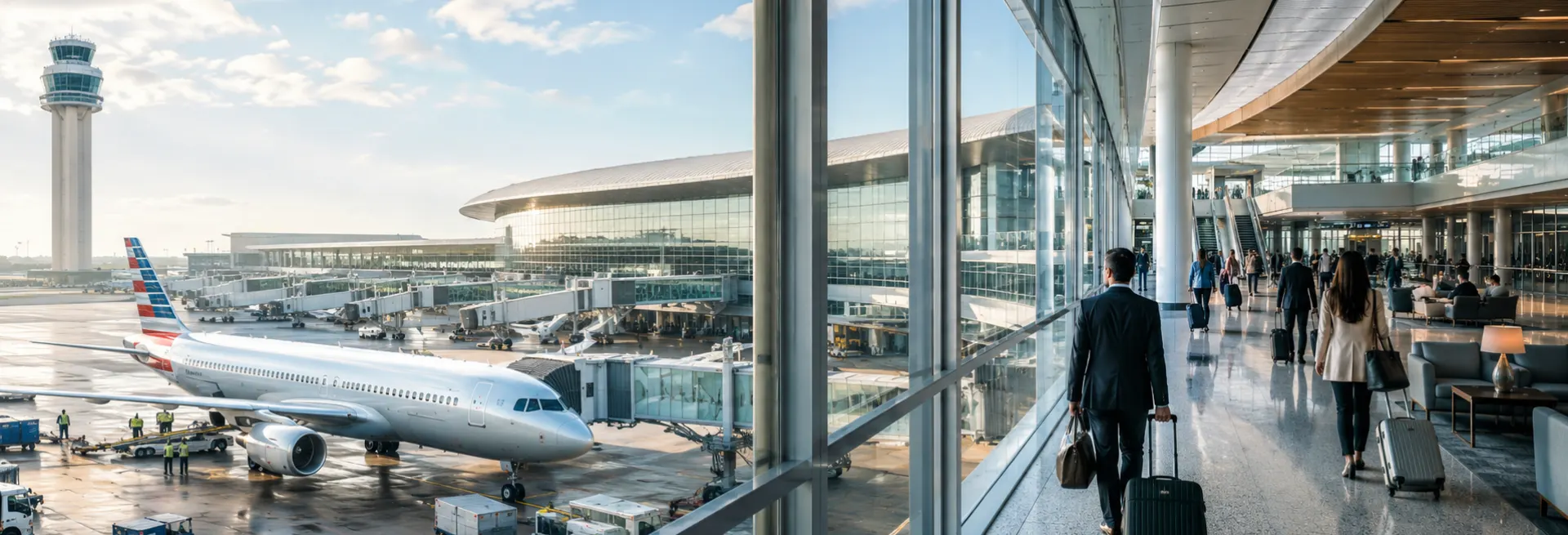
American Airlines Expands DFW Hub With Terminal Growth & Premium Upgrades
29 May, 2026
American Airlines Expands DFW Hub With Terminal Growth & Premium Upgrades
MundoTrip | Travel News | 29 May, 2026
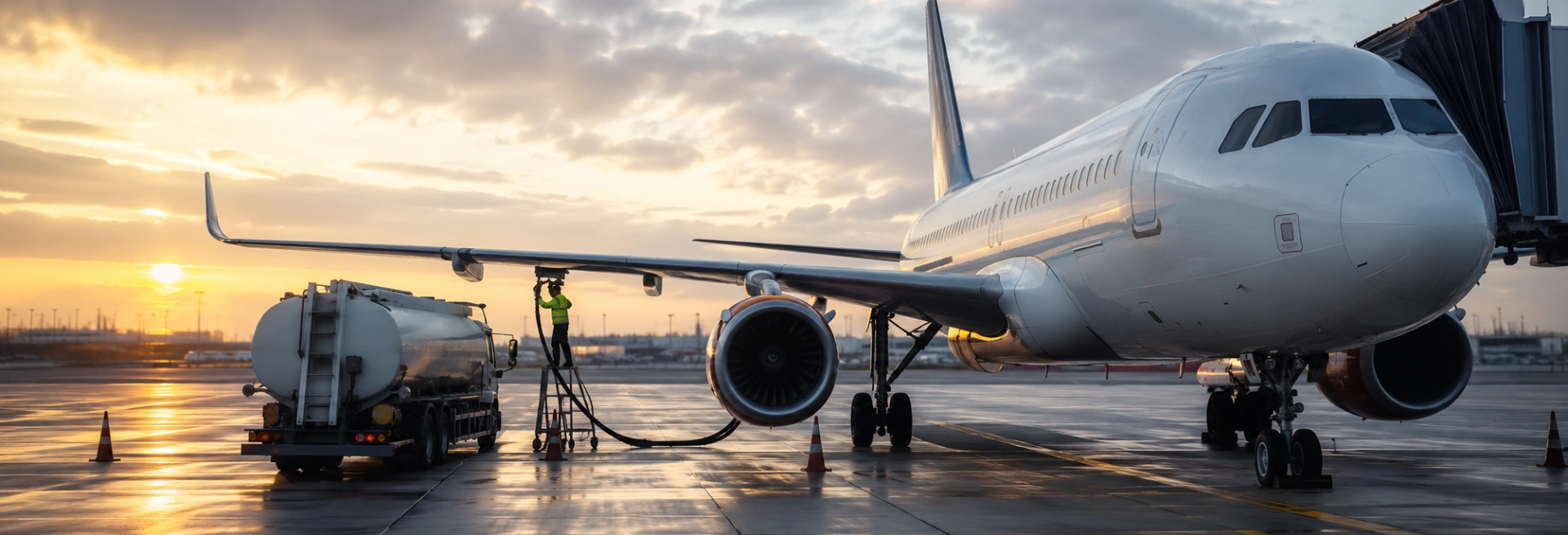
US travelers could face higher airfares, increased travel costs, and possible schedule adjustments in the coming months as airlines across the world continue struggling with one of the most significant jet fuel price surges in recent years. Aviation industry reports show that escalating tensions in the Middle East, ongoing disruptions linked to the US-Israel-Iran conflict, and instability surrounding critical global energy supply routes have sharply increased jet fuel costs for airlines worldwide. Industry analysts say the situation is creating growing financial pressure across the aviation sector because fuel remains one of the largest operating expenses for airlines, often accounting for nearly a quarter of total costs. As fuel prices continue rising, several airlines have already introduced fare increases, adjusted schedules, revised financial forecasts, and warned that travelers may continue seeing higher ticket prices throughout the busy travel season.
The global airline industry has been heavily affected by rising jet fuel prices since tensions escalated across the Middle East earlier this year. Multiple aviation and energy reports show that jet fuel prices have surged from roughly $85–$90 per barrel before the conflict to approximately $150–$200 per barrel in several markets during recent months. Industry experts say the increase has been unusually rapid, leaving many airlines struggling to absorb costs that have risen much faster than ticket prices. Because airlines consume massive amounts of fuel every day, even relatively small increases in fuel costs can significantly affect profitability. The current situation has become even more challenging because many carriers are already managing inflationary pressures, aircraft delivery delays, labor expenses, and growing competition across major travel markets. Aviation analysts describe the fuel crisis as one of the industry's biggest operational challenges since the pandemic recovery period.
One of the main reasons behind the fuel surge is ongoing instability affecting the Strait of Hormuz, one of the world's most important energy shipping routes. A large percentage of global oil and refined fuel products normally move through this region, making disruptions extremely significant for international energy markets. Reports indicate that fuel shipments have faced logistical challenges, longer transportation routes, increased insurance costs, and supply chain disruptions as the conflict continues impacting regional trade flows. Energy analysts say concerns over future fuel availability have also contributed to price volatility as suppliers and buyers attempt to secure alternative supply sources. Several reports show that fuel shipments are increasingly being redirected from the United States, Africa, and other regions to replace disrupted Gulf supplies, creating additional transportation costs and putting pressure on global fuel markets.
Many airlines have already started responding to the fuel surge through airfare increases, fuel surcharges, network adjustments, and revised operational planning. Industry reports confirm that several international carriers have increased ticket prices in order to offset higher fuel expenses, while others have reduced capacity or adjusted schedules to protect profitability. Some airlines have publicly acknowledged that fuel costs are rising faster than fares, making it difficult to fully recover expenses through ticket sales alone. Major carriers across Europe, Asia, Oceania, and North America have warned investors that fuel prices are likely to remain a major financial challenge if current geopolitical tensions continue. Airlines are also reviewing route profitability more carefully as operating costs increase across both domestic and international networks.
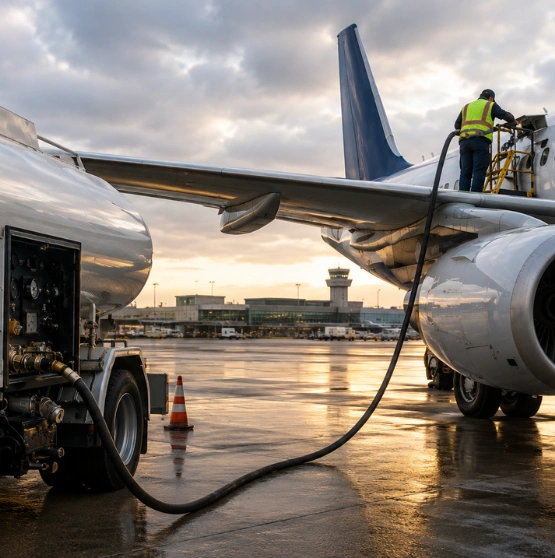
The situation is especially important for US travelers because major American airlines are also feeling the impact of higher fuel prices. Reports from the US Transportation Department show that major US passenger airlines spent more than $5 billion on jet fuel during March alone, representing an increase of approximately $1.8 billion compared to the previous month. Fuel prices per gallon also rose sharply during the same period. Industry analysts note that many US airlines no longer rely heavily on fuel hedging programs that historically helped protect carriers from sudden energy price spikes. As a result, airlines including American Airlines, Delta Air Lines, United Airlines, and Southwest Airlines may be more exposed to ongoing market volatility if fuel prices remain elevated throughout the year. Several airline executives have already acknowledged that fuel costs are placing significant pressure on profitability despite continued travel demand.
One of the biggest concerns for travelers is the potential impact on summer vacation costs and peak travel season pricing. Aviation experts warn that if fuel prices remain elevated during the coming months, airlines may continue increasing fares across domestic and international routes. Last-minute bookings could become particularly expensive because airlines often adjust prices more aggressively when operating costs rise unexpectedly. Travelers planning international vacations, long-haul trips, or peak-season travel may experience some of the strongest pricing pressure as carriers attempt to balance rising expenses with strong passenger demand. Industry forecasts suggest that while airlines are still seeing healthy booking levels, continued fuel inflation could eventually slow demand if ticket prices rise too quickly. Several carriers have already revised earnings forecasts and warned investors about ongoing uncertainty surrounding fuel markets.
In addition to fare increases, some airlines are reducing schedules, slowing growth plans, or cutting capacity in certain markets to manage rising costs. Industry reports indicate that carriers in several regions have already reduced flights, delayed expansion plans, or adjusted route networks as fuel prices continue affecting profitability. Aviation experts say airlines may increasingly focus on higher-demand and more profitable routes while reducing service in markets where operating costs become more difficult to justify. While widespread global flight cancellations are not currently occurring across the industry, analysts note that prolonged fuel market instability could force additional adjustments if supply disruptions continue through the second half of the year.
The ongoing fuel crisis is highly relevant for US travelers because it directly affects airfare pricing, travel budgets, flight availability, and vacation planning. Rising fuel costs can influence nearly every part of the airline business, from ticket prices and route planning to profitability and capacity decisions. Travelers booking domestic trips, international vacations, family travel, or business journeys may notice continued pricing volatility as airlines respond to changing fuel market conditions. Aviation experts recommend booking important travel plans earlier when possible, monitoring fare trends closely, and remaining flexible with travel dates to help manage costs during periods of market uncertainty. While demand for travel remains strong across much of the industry, fuel prices are expected to remain one of the most important factors shaping airline operations throughout 2026.
US travelers planning summer vacations, international journeys, or peak-season travel should monitor airfare trends closely as airlines continue adjusting prices in response to fuel market conditions. Travelers may benefit from booking earlier, comparing flexible travel dates, and reviewing fare options carefully as airlines respond to ongoing operational pressures. For flight bookings, international travel planning, airfare guidance, and 24x7 travel assistance, travelers can also connect with the MundoTrip team for updated travel support and personalized itinerary guidance.
 29 May, 2026
American Airlines Expands DFW Hub With Terminal Growth & Premium Upgrades
29 May, 2026
American Airlines Expands DFW Hub With Terminal Growth & Premium Upgrades
 29 May, 2026
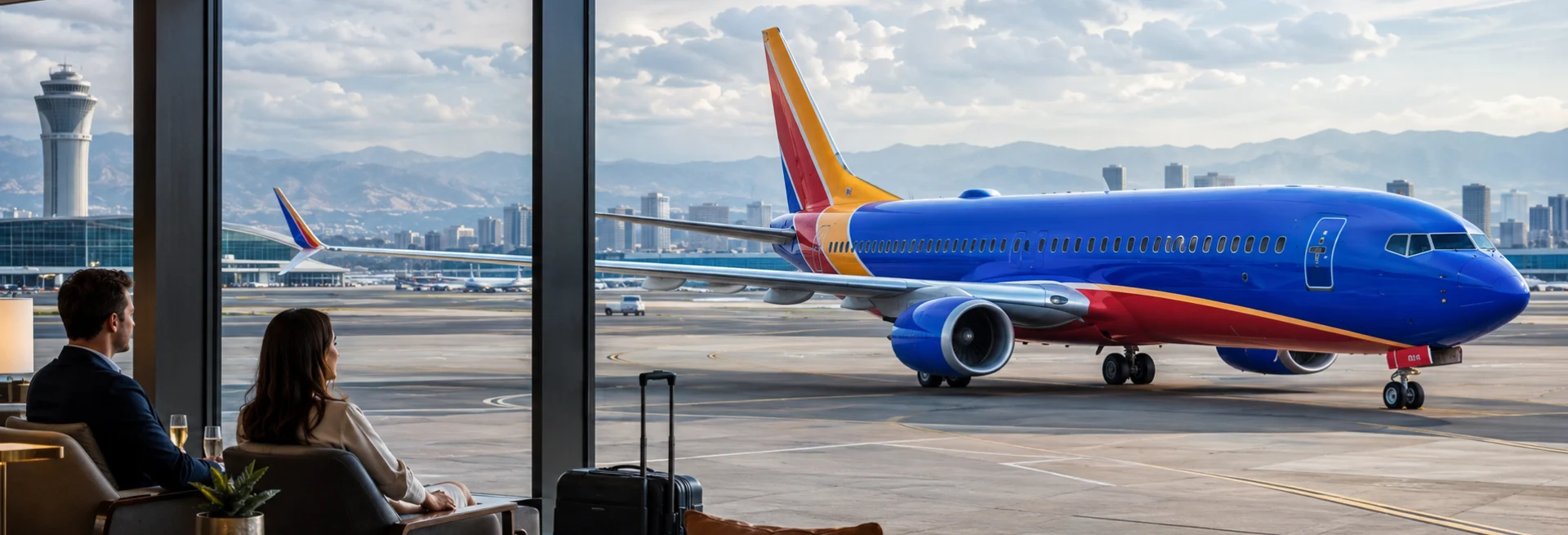
Southwest Airlines Eyes Long-Haul Flights & Premium Travel Expansion
29 May, 2026
Southwest Airlines Eyes Long-Haul Flights & Premium Travel Expansion
 29 May, 2026
Airbus Unveils Luxury A350 First Class Suite Concept
29 May, 2026
Airbus Unveils Luxury A350 First Class Suite Concept
 29 May, 2026
Delta and Amazon Bring Faster Inflight Wi-Fi to Flights
29 May, 2026
Delta and Amazon Bring Faster Inflight Wi-Fi to Flights
 27 May, 2026
JetBlue Faces Scrutiny Over Pricing Transparency and Data Concerns
27 May, 2026
JetBlue Faces Scrutiny Over Pricing Transparency and Data Concerns


Got Questions? Call us 24/7!
1-866-331-1746
Email for Us!
support@mundotrip.com
35 Journal Square Suite 424, Jersey City, NJ 07306






Copyright © 2026 Mundo Trip registered in New Jersey, United States Of America