


 29 May, 2026
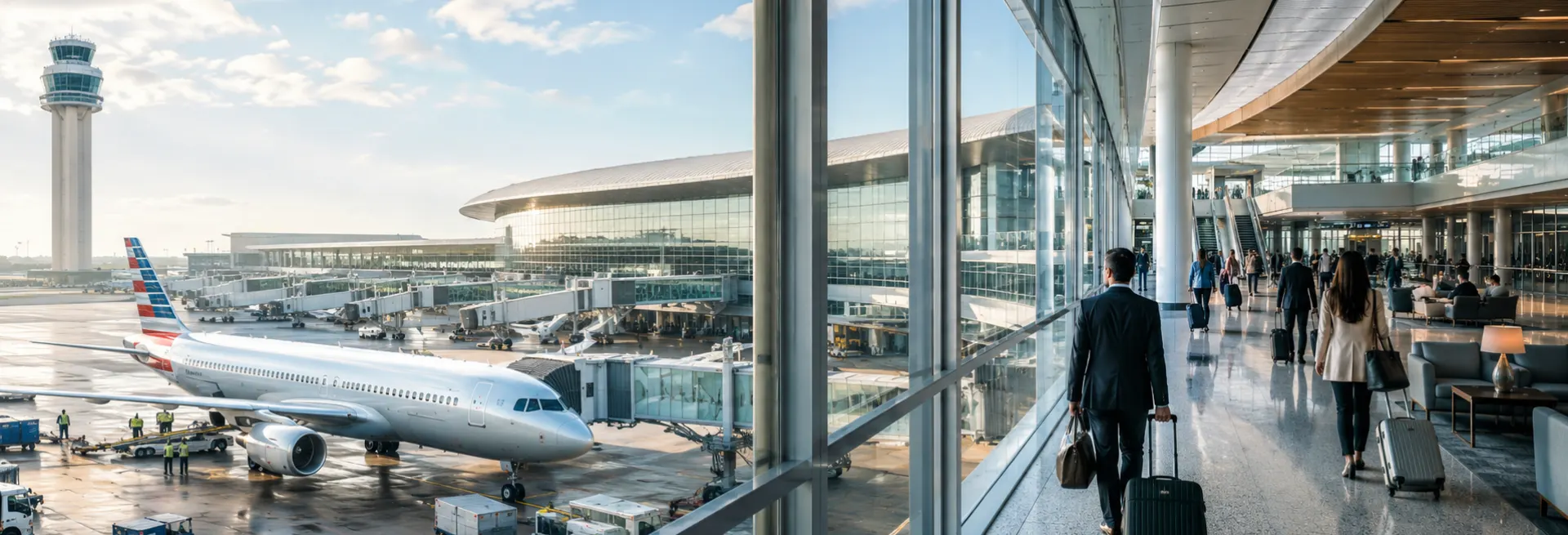
American Airlines Expands DFW Hub With Terminal Growth & Premium Upgrades
29 May, 2026
American Airlines Expands DFW Hub With Terminal Growth & Premium Upgrades
MundoTrip | Travel News | May 1, 2026
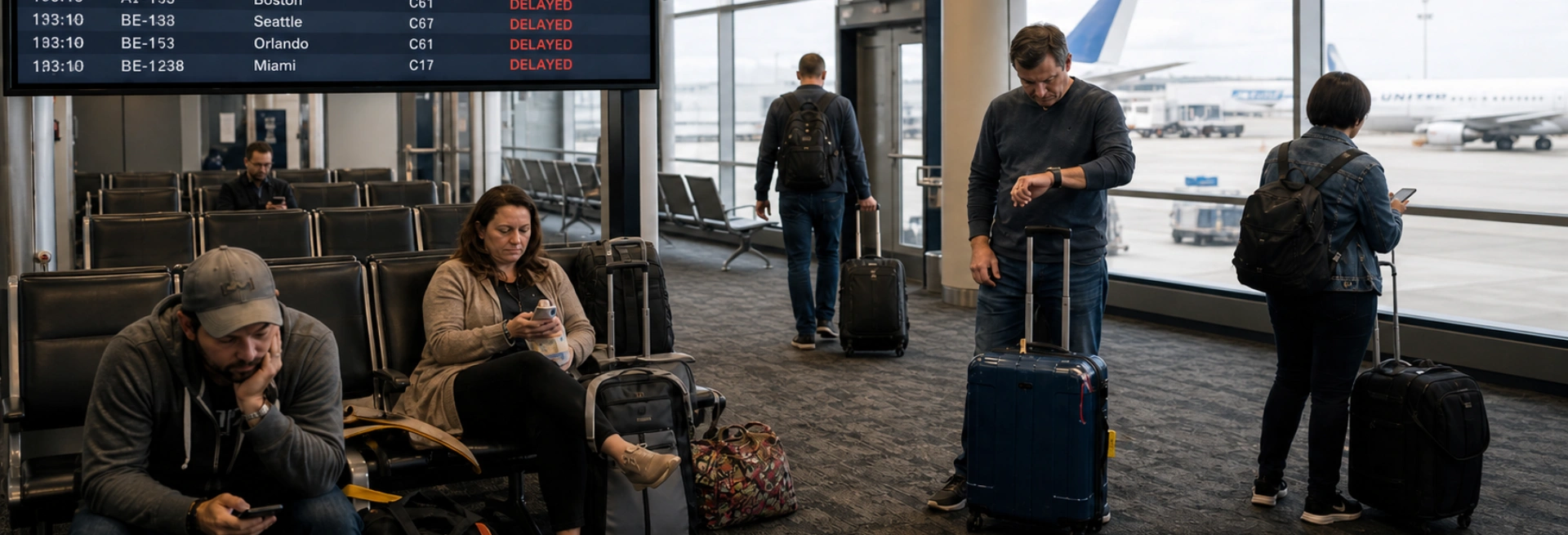
Travel operations at Salt Lake City International Airport have been significantly disrupted, with nearly 100 flights delayed and at least one cancellation reported, creating growing challenges for passengers traveling across the United States. The disruption is affecting multiple major carriers, including Delta Air Lines, Alaska Airlines, and Southwest Airlines, and is beginning to impact travel plans far beyond Utah.
While the number of cancellations remains limited, the volume of delays alone is enough to disrupt schedules across the network. For many travelers, what initially appears to be a minor delay quickly evolves into a longer and more uncertain journey, as departure times continue to shift and recovery becomes more difficult throughout the day.
At a major hub like Salt Lake City, delays rarely remain isolated to a single flight. Aircraft arriving late are often scheduled for multiple departures later in the day, and when those inbound flights are delayed, the entire sequence of flights that follows begins to fall behind schedule. This creates a cascading effect, where delays build gradually and become more severe as the day progresses.
Unlike cancellations, which allow airlines to reset schedules more clearly, delays keep flights in the system, making recovery more complex. As more flights are pushed back, passengers face increasing uncertainty, longer wait times, and reduced confidence in departure schedules. This is why delay-heavy disruptions can sometimes be just as impactful as cancellations, particularly at busy hub airports.
Although no single official cause has been confirmed, the pattern of delays suggests a combination of operational pressures that are common in high-traffic airports. Salt Lake City serves as a major hub, especially for Delta Air Lines, and operates on tightly coordinated schedules where even small disruptions can have wider consequences.
Factors such as late-arriving aircraft, air traffic congestion, and regional weather slowdowns are among the most likely contributors. Because aircraft are used continuously throughout the day, a delay in one part of the network can quickly affect multiple flights. Once schedules begin to slip, it becomes increasingly difficult to recover, particularly during peak travel periods.
For travelers, this means delays are not only likely to continue but may also become longer as the situation evolves.
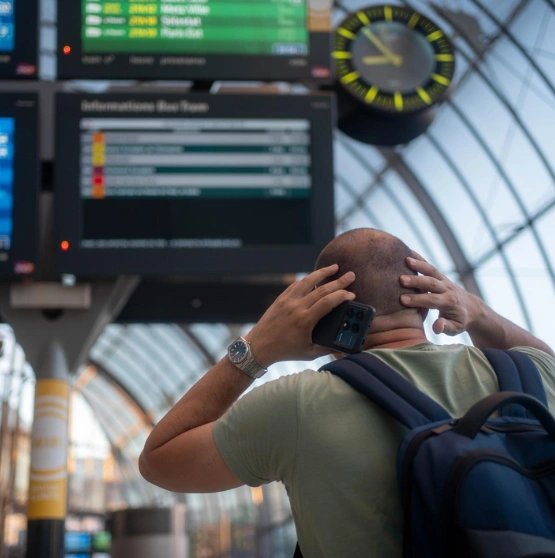
Salt Lake City plays a critical role in connecting travelers across the West Coast, Midwest, and Mountain regions. Flights departing from the airport link to major cities such as Los Angeles, Seattle, Denver, and Chicago, making it an important transfer point for both domestic and some international routes.
When delays occur at a hub of this scale, they can quickly spread across the network. A delayed departure from Salt Lake City results in a late arrival at the next destination, which then affects the following flight assigned to that aircraft. This ripple effect can impact multiple routes within a short period, extending the disruption far beyond the original location.
As a result, travelers who are not flying through Salt Lake City may still experience delays linked to this disruption, particularly on interconnected routes.
Passengers at the airport are facing a rapidly changing travel environment, with departure times shifting frequently and delays extending beyond initial estimates. Flights that were originally delayed by short intervals are, in many cases, being pushed back further as operational pressures continue.
Gate areas are becoming increasingly crowded as travelers wait for updates, and the lack of a clear departure timeline is adding to the overall uncertainty. Some passengers are boarding flights later than expected, while others remain at the gate as airlines adjust schedules in real time.
For many travelers, the experience is defined not just by the delay itself, but by the unpredictability of how long the delay will last.
Travelers with connecting flights are particularly vulnerable in situations like this. Even a relatively short delay can significantly reduce connection times, increasing the risk of missed flights. As delays continue to build, connection windows become tighter, making it more difficult for passengers to complete their journeys as planned.
Salt Lake City is widely used as a connection point, and disruptions at the airport can quickly affect onward travel plans. Missing a connection may require rebooking on later flights, which can lead to extended delays depending on availability.
For passengers traveling on tight schedules, this creates additional pressure and uncertainty.
With conditions changing throughout the day, staying informed is essential. Travelers are advised to check their flight status before leaving for the airport and to continue monitoring updates during their journey. Real-time information can help travelers make better decisions and adjust plans as needed.
Allowing extra time, particularly for connections, can help reduce the impact of delays. Being prepared for schedule changes and maintaining flexibility can also improve the overall travel experience during disruptions like this.
In situations where delays extend significantly, exploring alternative options early can provide more choices and reduce stress.
The disruption at Salt Lake City reflects a larger trend across the U.S. aviation system, where high demand and tightly packed schedules leave little room for delays. Airports are operating at near capacity, and even small operational issues can quickly escalate into wider disruptions.
This pattern is becoming more common, particularly at major hubs where flights are closely interconnected. As travel demand continues to grow, delays are likely to remain a regular part of the travel experience, especially during peak periods.
For travelers, understanding this trend can help set expectations and encourage more flexible planning.
When delays affect travel plans, finding alternative options quickly can be challenging, especially when availability is limited. Rebooking flights, adjusting schedules, and managing changes often require quick decision-making.
MundoTrip’s travel experts are available 24/7 to assist travelers with navigating disruptions, exploring alternate routes, and securing new bookings. Access to real-time support can help travelers respond more effectively and keep their journeys moving.
The ongoing delays at Salt Lake City International Airport highlight how quickly travel conditions can change, even without widespread cancellations. What begins as a localized disruption can spread across the network, affecting travelers in multiple regions.
For U.S. travelers, the key takeaway is to stay informed, plan ahead, and remain flexible. While delays cannot always be avoided, being prepared can help minimize their impact and ensure a smoother travel experience.
 29 May, 2026
American Airlines Expands DFW Hub With Terminal Growth & Premium Upgrades
29 May, 2026
American Airlines Expands DFW Hub With Terminal Growth & Premium Upgrades
 29 May, 2026
Southwest Airlines Eyes Long-Haul Flights & Premium Travel Expansion
29 May, 2026
Southwest Airlines Eyes Long-Haul Flights & Premium Travel Expansion
 29 May, 2026
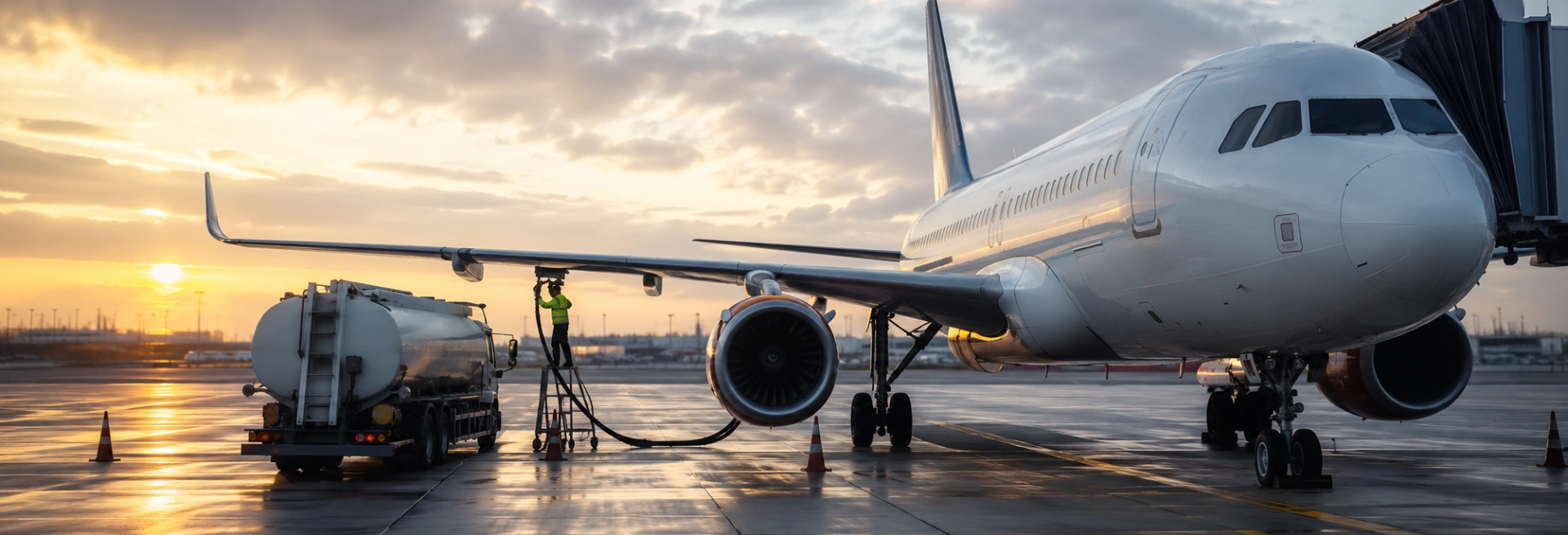
Rising Jet Fuel Costs Could Increase Airfares in 2026
29 May, 2026
Rising Jet Fuel Costs Could Increase Airfares in 2026
 29 May, 2026
Airbus Unveils Luxury A350 First Class Suite Concept
29 May, 2026
Airbus Unveils Luxury A350 First Class Suite Concept
 29 May, 2026
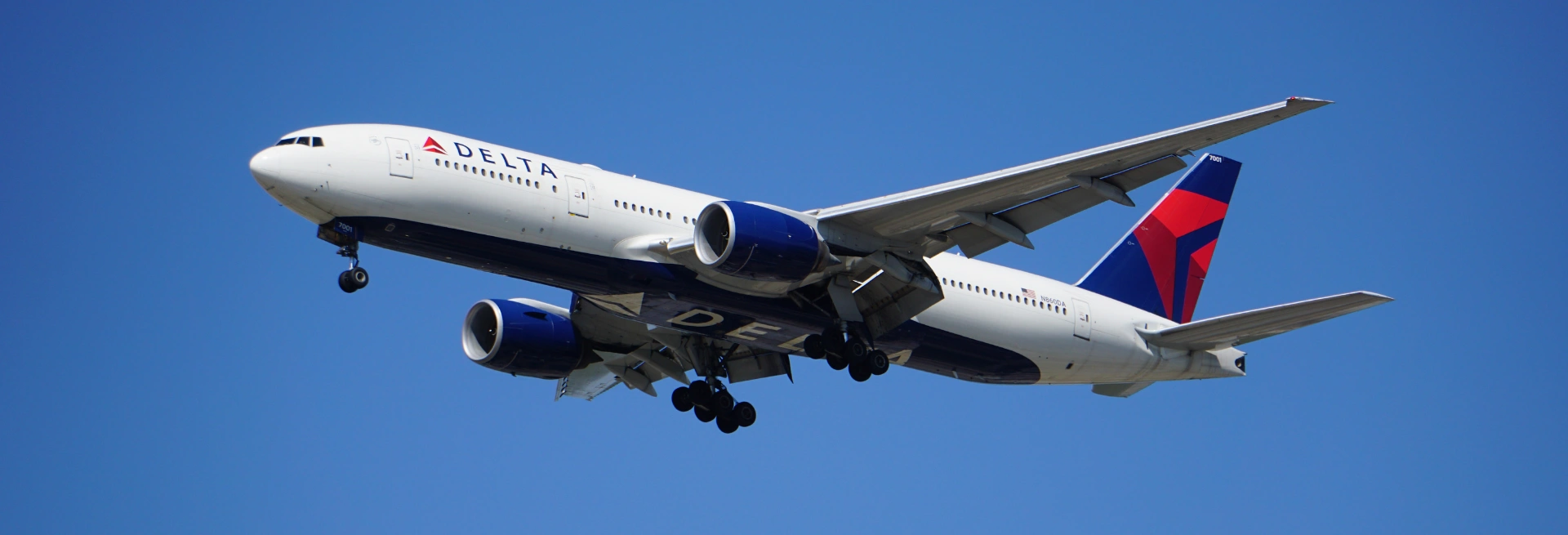
Delta and Amazon Bring Faster Inflight Wi-Fi to Flights
29 May, 2026
Delta and Amazon Bring Faster Inflight Wi-Fi to Flights


Got Questions? Call us 24/7!
1-866-331-1746
Email for Us!
support@mundotrip.com
35 Journal Square Suite 424, Jersey City, NJ 07306






Copyright © 2026 Mundo Trip registered in New Jersey, United States Of America