We build trips around you, not the other way around. Our team of travel specialists handles flights, hotels, car rentals, and vacation packages based on what you need. Flexible payment options like book Now Pay Later make booking easier on your budget. You also get 24/7 support, free cancellation within 24 hours, and hassle-free changes if plans shift. Best price guarantee, secure payments, and instant booking solution.

Guarantee

Customer Support

Free Cancellation

Payments

Changes

Booking
Some people travel to learn, not just to see. They want expert guides explaining the history behind ancient ruins. Museum curators providing context you'd never get from wall plaques. Access to places that casual tourists don't visit. Depth over breadth.
Educational tour packages from Mundotrip.com focus on understanding rather than just experiencing. These trips include expert guides, specialized access, educational materials, and itineraries designed around learning objectives. You're not just touring—you're studying your destination in meaningful depth. Whether you're interested in Roman history, marine biology, Renaissance art, or indigenous cultures, educational packages connect you with local experts who make complex subjects accessible. You leave genuinely understanding your destination, not just having photos of it.

Serious learners
People who read extensively about subjects before traveling. Who have specific questions they want answered. Who enjoy intellectual challenge and substantive conversation. If you're the person who reads entire books about single topics before visiting, educational tours suit you perfectly.

Anyone who hated surface-level tourism
If you've taken regular tours and felt unsatisfied by shallow coverage of interesting places, educational programs solve that problem. You finally get the depth you wanted.

Students and academics
College students exploring potential fields. Graduate students conducting research. University professors maintaining expertise or exploring adjacent fields. Many programs offer academic credit or professional development recognition.

Career professionals
Teachers bringing subject matter expertise back to classrooms. Researchers exploring topics adjacent to their work. Writers gathering material. People whose jobs involve the tour subject. The networking and professional development add value beyond tourism.
Retirees with time and curiosity
Educational tourism skews older. Retirees have time for 2-3 week programs. Many bring life experience and knowledge that enrich group discussions. Programs appreciate mature participants who engage seriously with material.
Find inspiration from top trips


Someone from our sales team will be in touch with you shortly
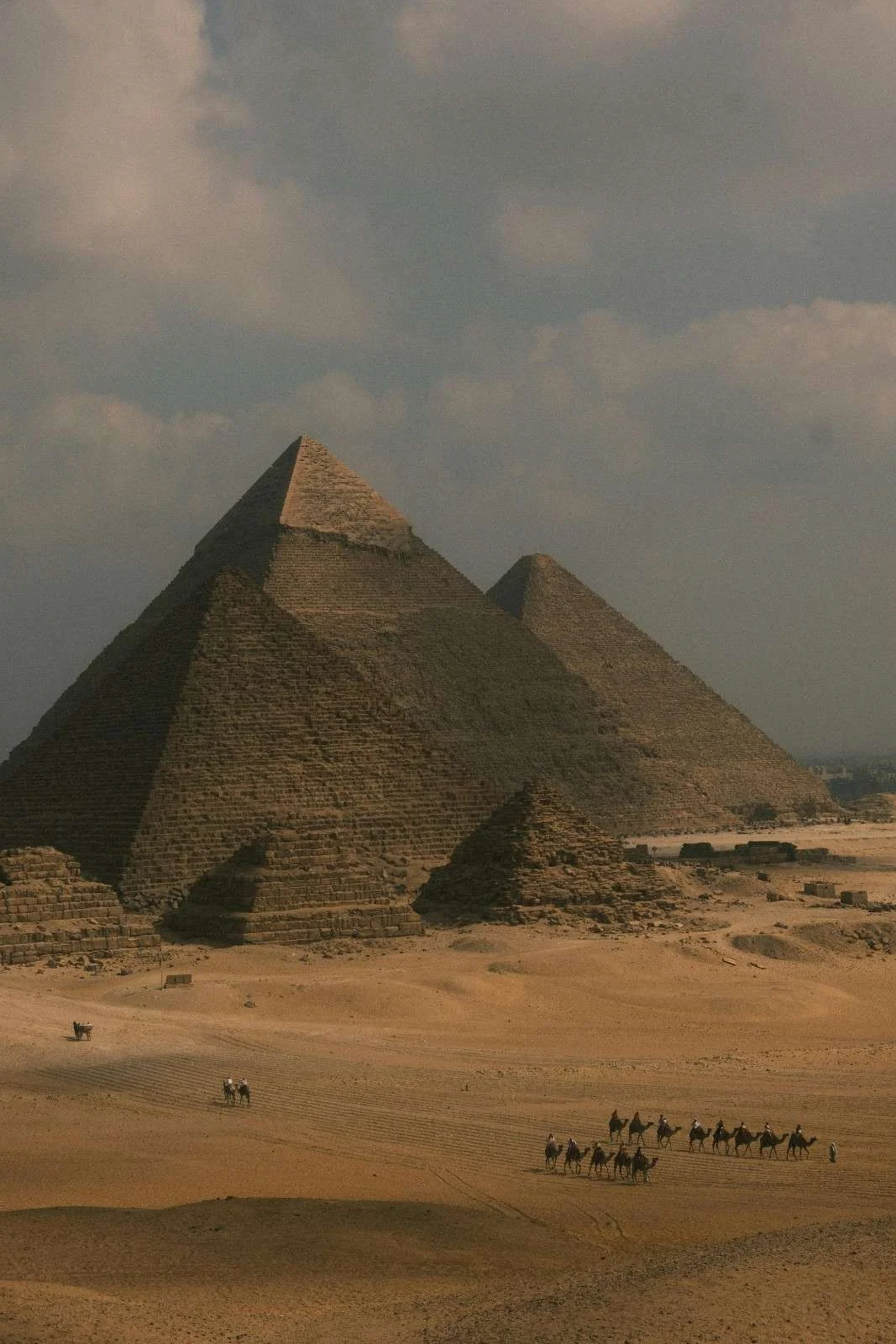
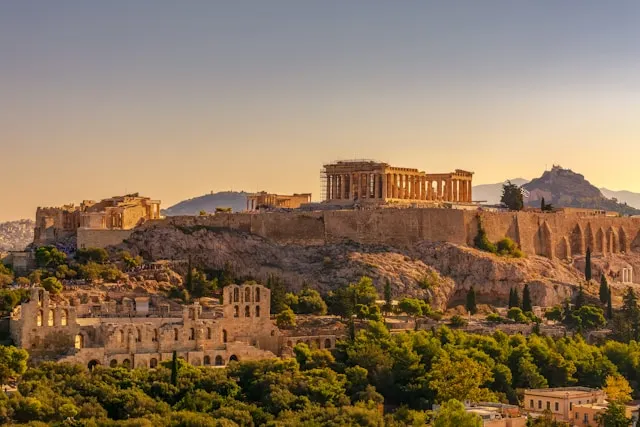
Greece and Rome dominate this category. Walking through Athens with a classical archaeologist who explains the Parthenon's construction techniques and religious significance. Excavating at actual dig sites in Israel. Studying Maya glyphs at Tikal with epigraphers who can read them. These tours combine famous sites with lesser-known locations that reveal how ancient people actually lived. You visit the big temples but also residential areas, markets, water systems, and cemeteries. Understanding daily life matters as much as understanding emperors and monuments. Popular destinations include Italy, Greece, Egypt, Jordan, Peru, Mexico, Turkey, and China. Tour length typically runs 10-14 days for focused regional study, longer for multi-country programs.
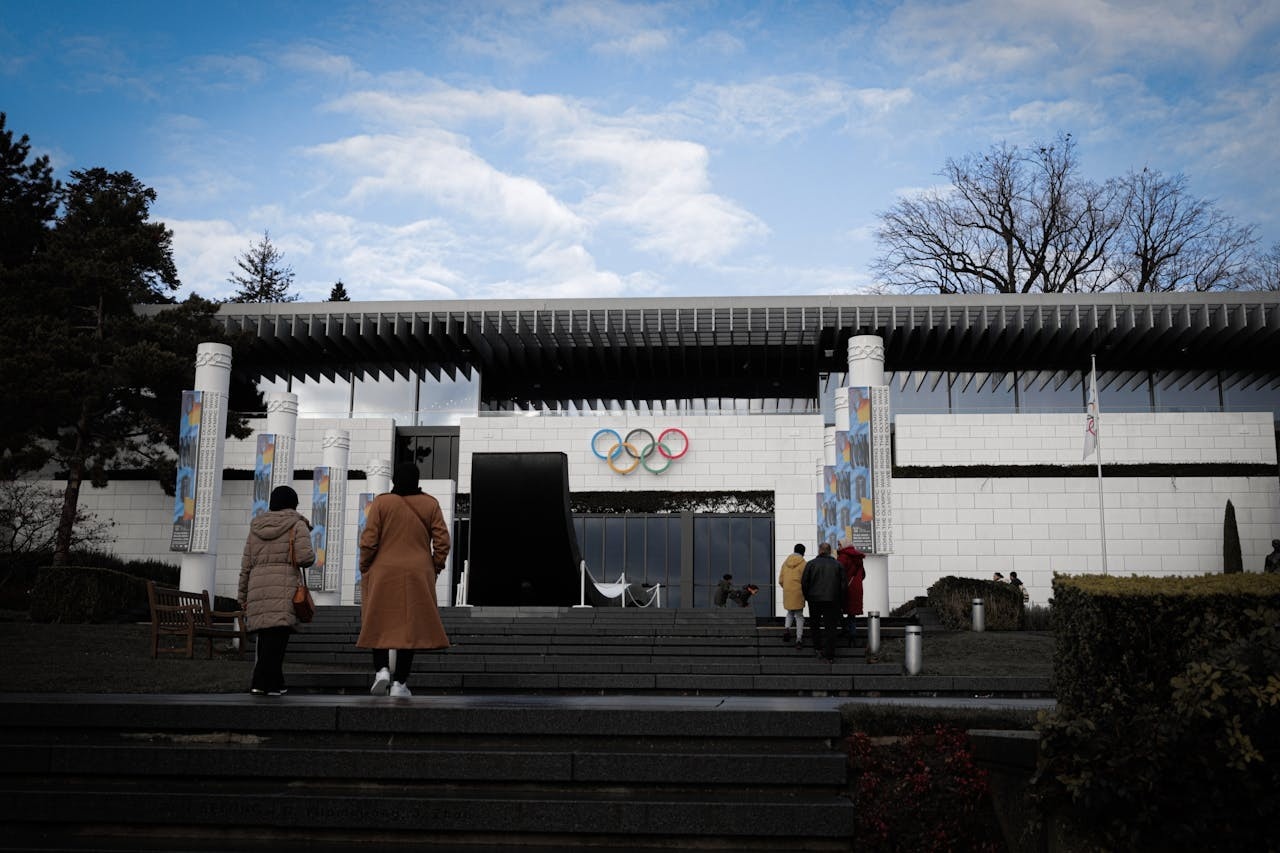
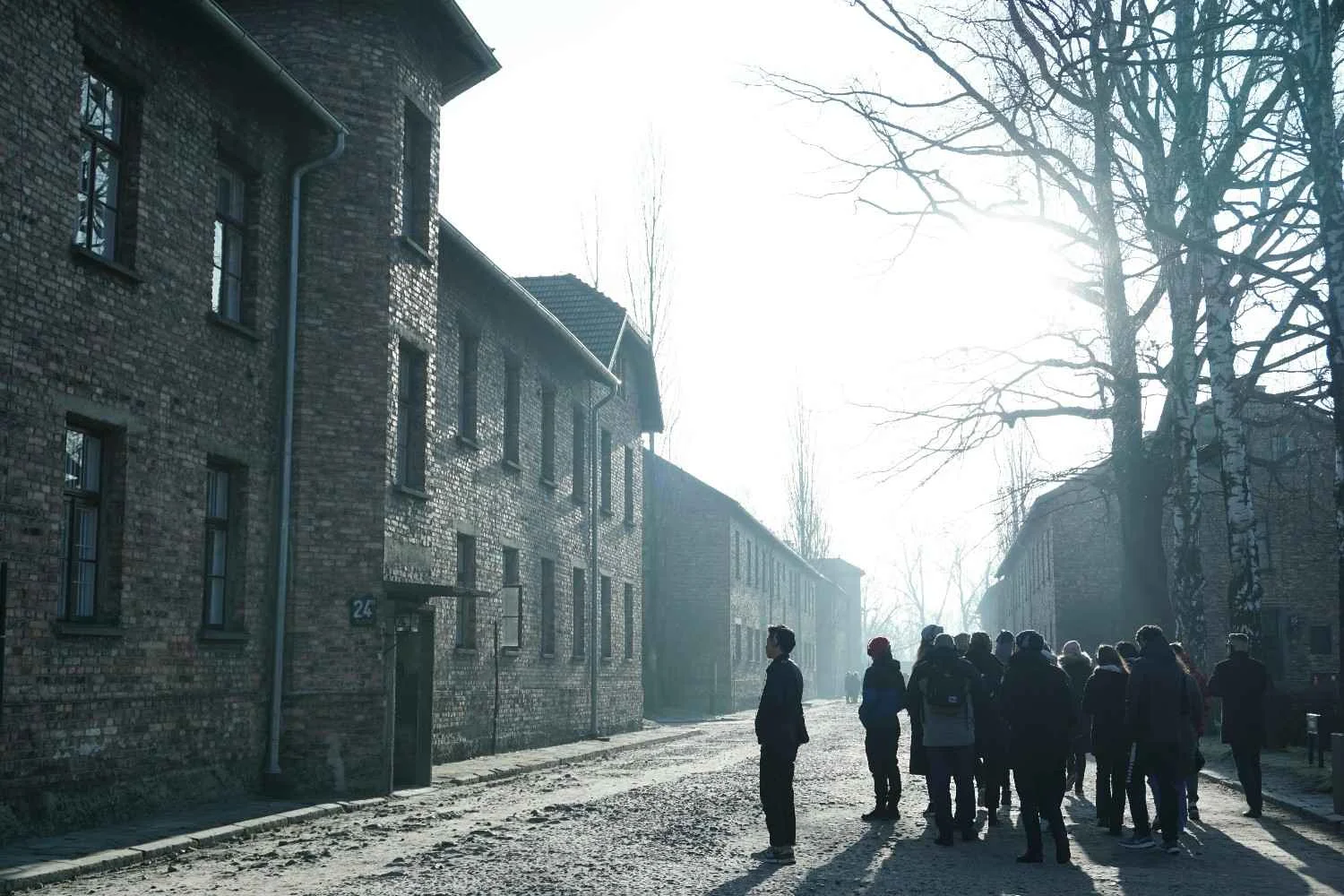
Battlefields, museums, and memorials with military historians or veterans. Normandy D-Day beaches with experts who explain tactics and strategy. Pearl Harbor with naval historians. Battle of the Bulge sites in Belgium and Luxembourg. Vietnam War locations with guides who understand both sides of the conflict. These aren't glorification tours. Good programs grapple with war's complexity and human cost. You're learning military history, yes, but also understanding how wars affect civilians, reshape borders, and influence politics for generations.
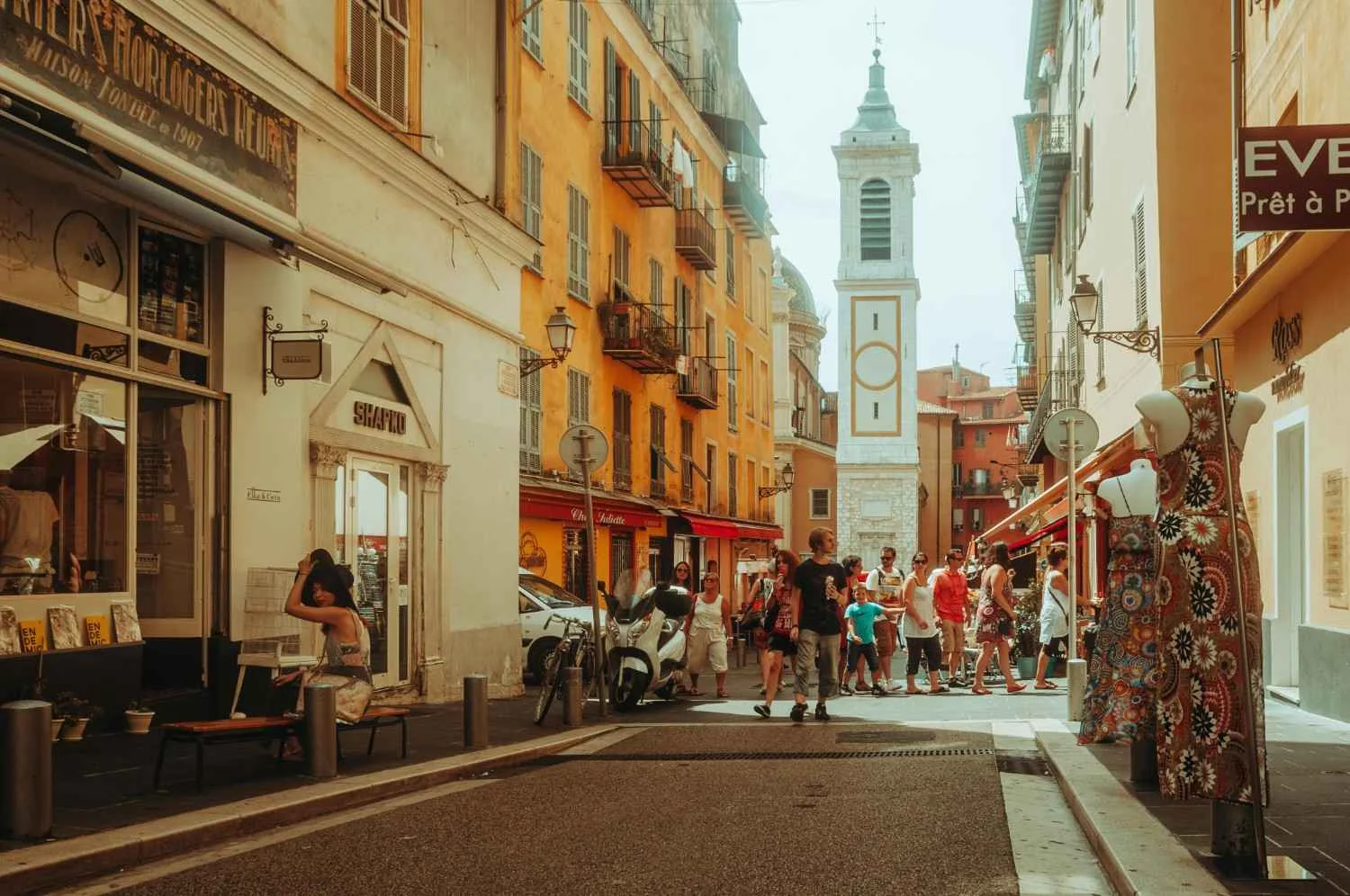
Following American Revolution sites from Boston to Yorktown. Revolutionary France tours. Latin American independence movements. These programs examine how colonies became nations and what that process revealed about power, rights, and human nature. Most include primary documents, historical debates, and visits to places where key events occurred. You're learning to think like a historian—evaluating sources, understanding context, recognizing that history is interpretation, not just facts.
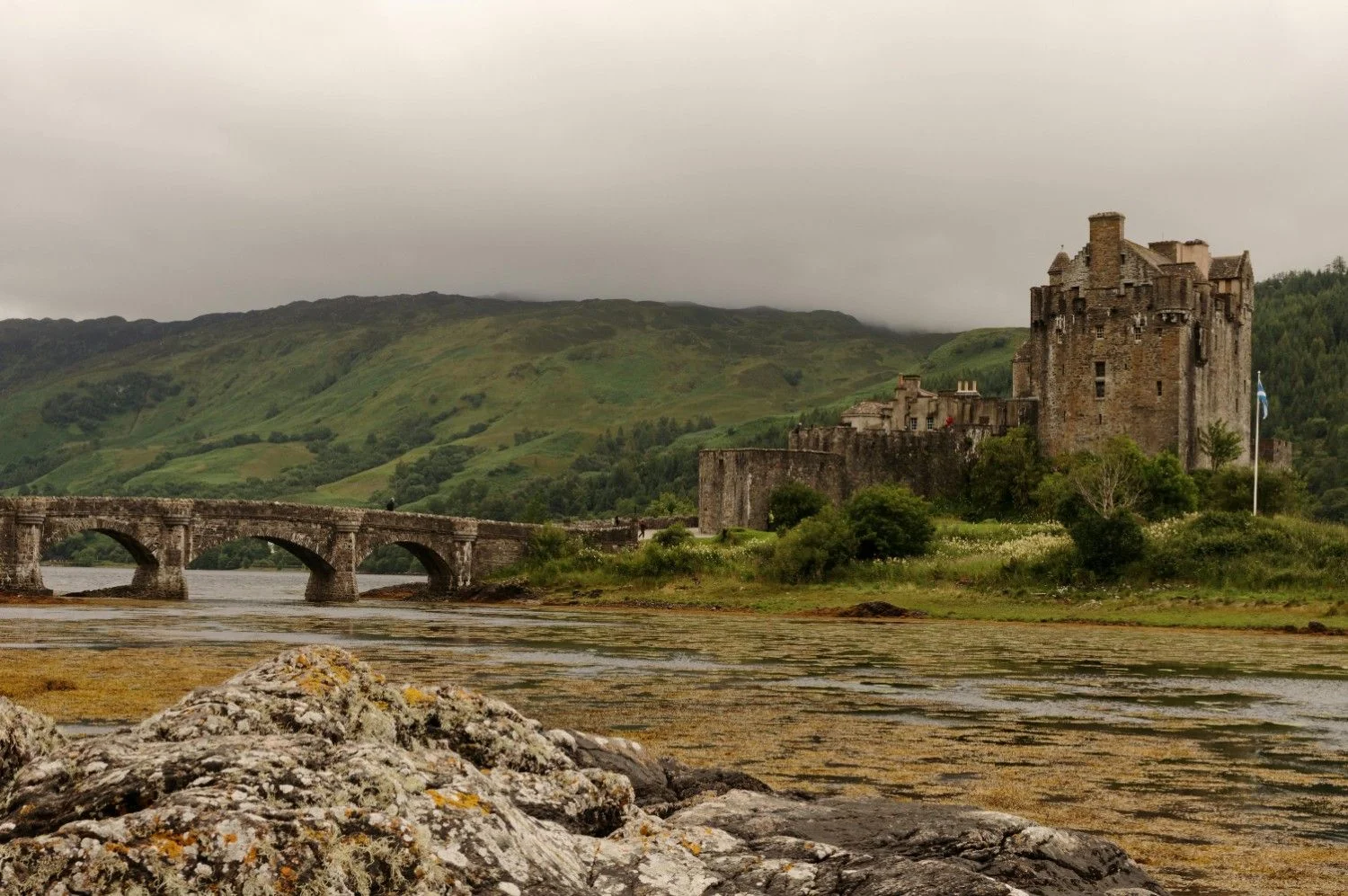
Castles, cathedrals, and city-states of Europe. Understanding feudalism, the rise of merchant classes, religious reformation, and artistic flowering. England, France, Italy, Spain, Germany— medieval Europe's legacy sits everywhere. Better tours avoid the "knights and ladies" fantasy version and grapple with actual medieval life—disease, violence, rigid social hierarchy, but also sophisticated legal systems, international trade networks, and remarkable cultural achievements.
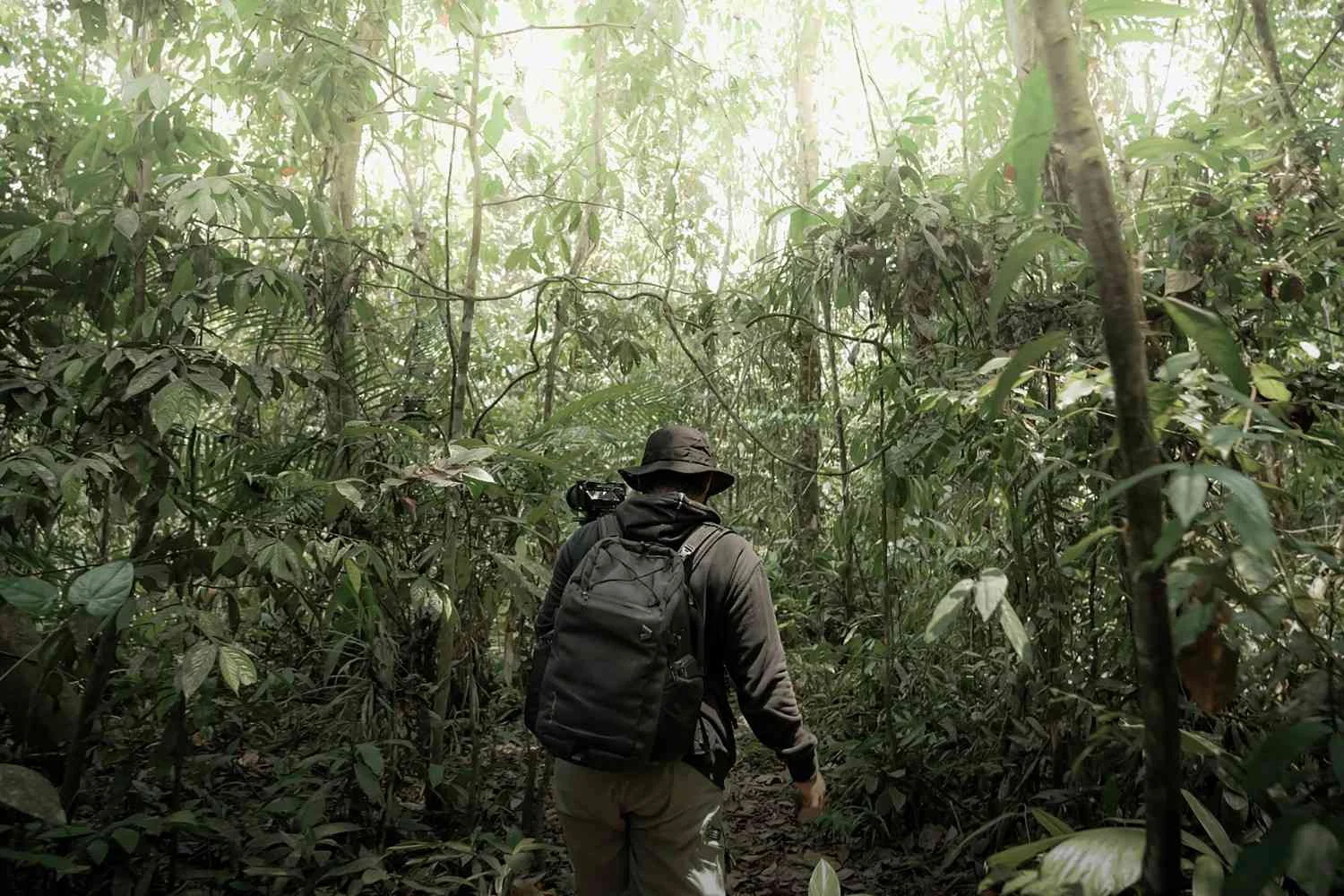
Unlike regular safaris or nature tours, educational programs include actual scientific observation. Recording bird calls. Identifying plants and understanding their ecological roles. Tracking animal behavior. Learning to read landscapes. Galapagos trips with naturalists who explain evolution and adaptation. Amazon expeditions with ecologists teaching rainforest complexity. African savanna tours with wildlife biologists studying predator-prey dynamics. Arctic programs examining climate change impacts with researchers who study it. These aren't just watching animals. You're understanding ecosystems as interconnected systems. How energy moves through food webs. How keystone species shape entire habitats. What happens when humans disrupt natural processes.
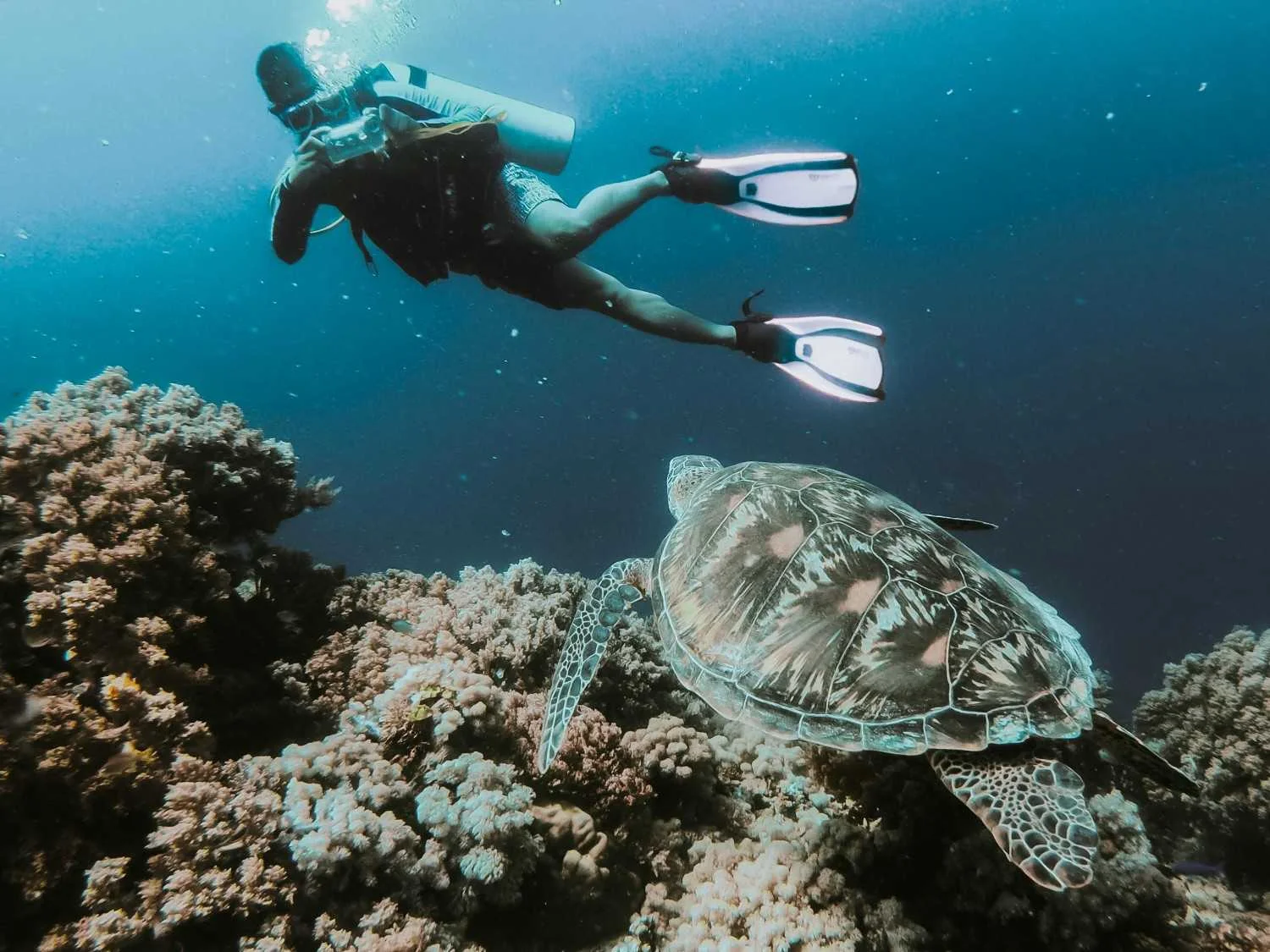
Coral reef ecology, deep sea environments, marine mammal behavior, or coastal ecosystems. Locations include Caribbean, Indo-Pacific, Mediterranean, and polar regions. Many include snorkeling or diving to observe directly. Programs might focus on conservation challenges—coral bleaching, overfishing, ocean acidification. Others examine specific taxa—whale migration, shark behavior, sea turtle life cycles. You're learning from marine biologists, often at research stations or on vessels equipped for scientific observation.
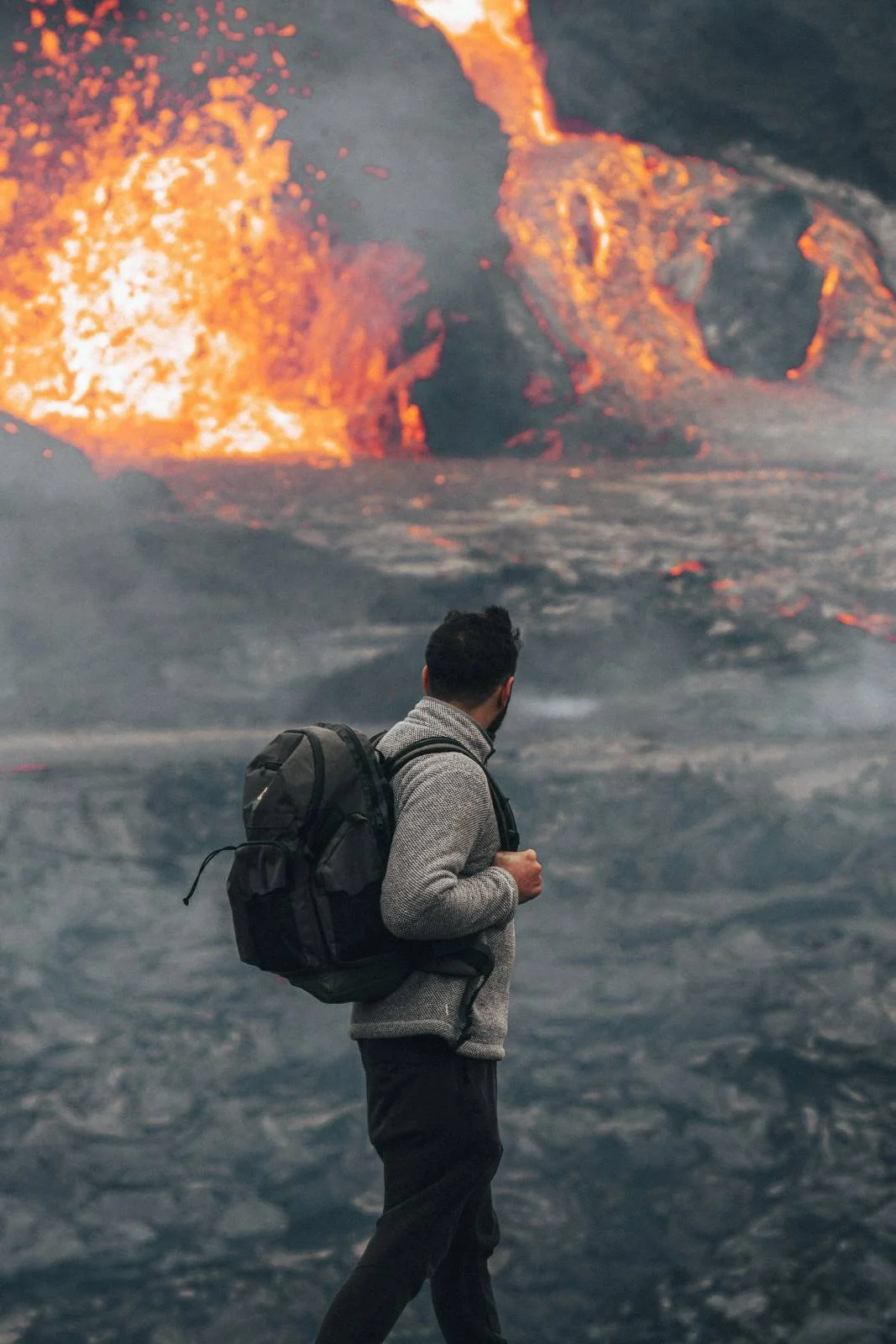
Understanding how landscapes form. Volcanic regions like Iceland, Hawaii, or New Zealand. Sedimentary rock sequences in the Grand Canyon or similar formations. Glacial landscapes in Alaska or Patagonia. Earthquake zones along tectonic boundaries. Geologists lead these tours, teaching you to read rocks and landscapes. How mountains form. What fossils reveal about ancient environments. How erosion and weathering create the shapes we see. You'll never look at a hillside the same way again.

Dark sky locations for star observation with astronomers. Programs often combine observatory visits, telescope time, and education about celestial mechanics, stellar evolution, and cosmology. Destinations include Chile's Atacama Desert, Hawaii's Mauna Kea, Arizona, New Mexico, and other places with minimal light pollution. Best programs time trips around specific celestial events—meteor showers, eclipses, or particularly good viewing conditions for planets or deep space objects.
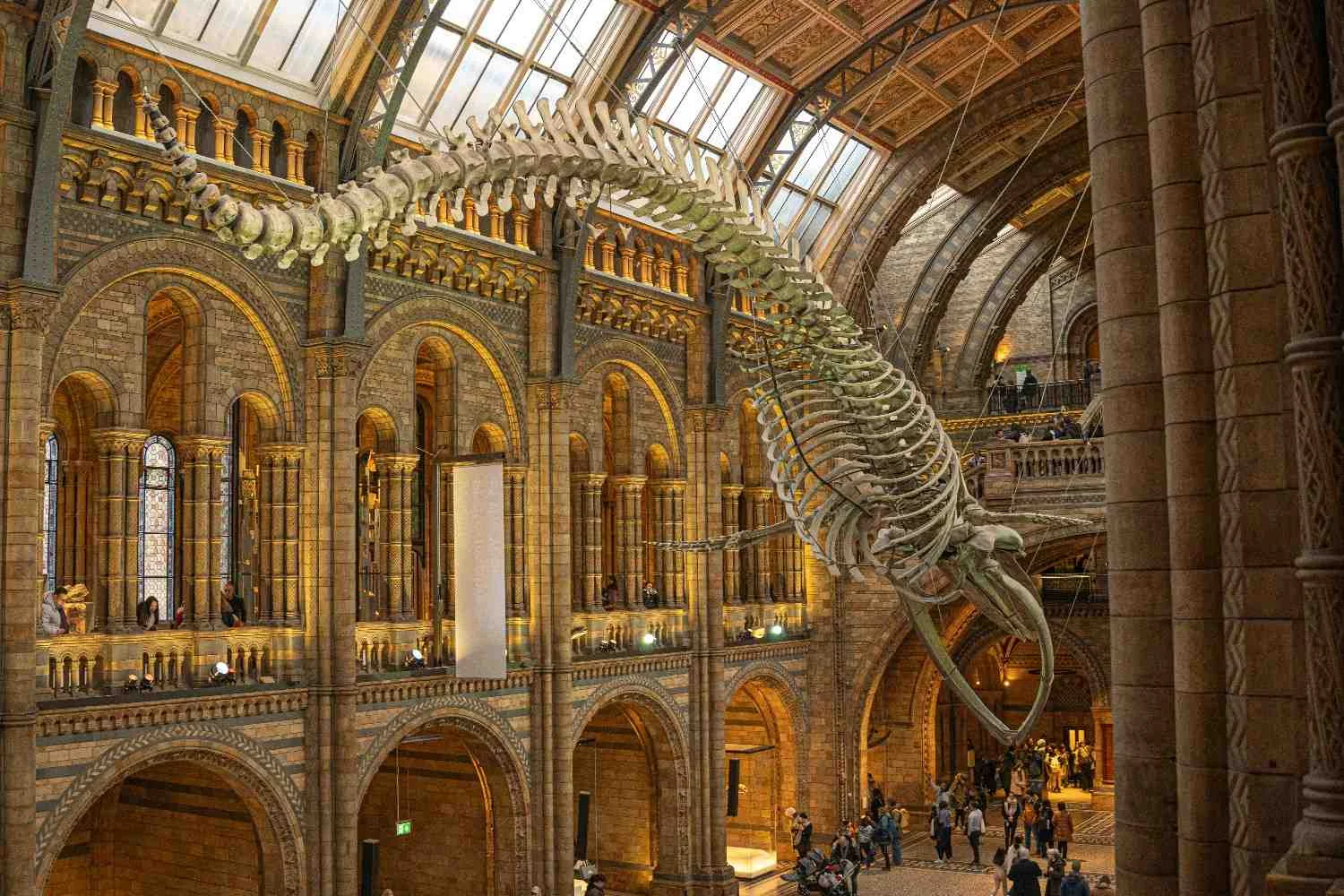
In-depth study of major collections with art historians or curators. The Louvre, Uffizi, Prado, Met, British Museum—famous museums become actual classrooms. You're not rushing through hitting highlights. You're spending days studying specific periods, artists, or movements. Programs might focus on a single topic across multiple museums—tracing Renaissance painting from Florence to Rome to Venice. Or deep study of one museum's collection. Either way, you're learning to analyze art critically, understanding historical context, and developing your own aesthetic opinions.
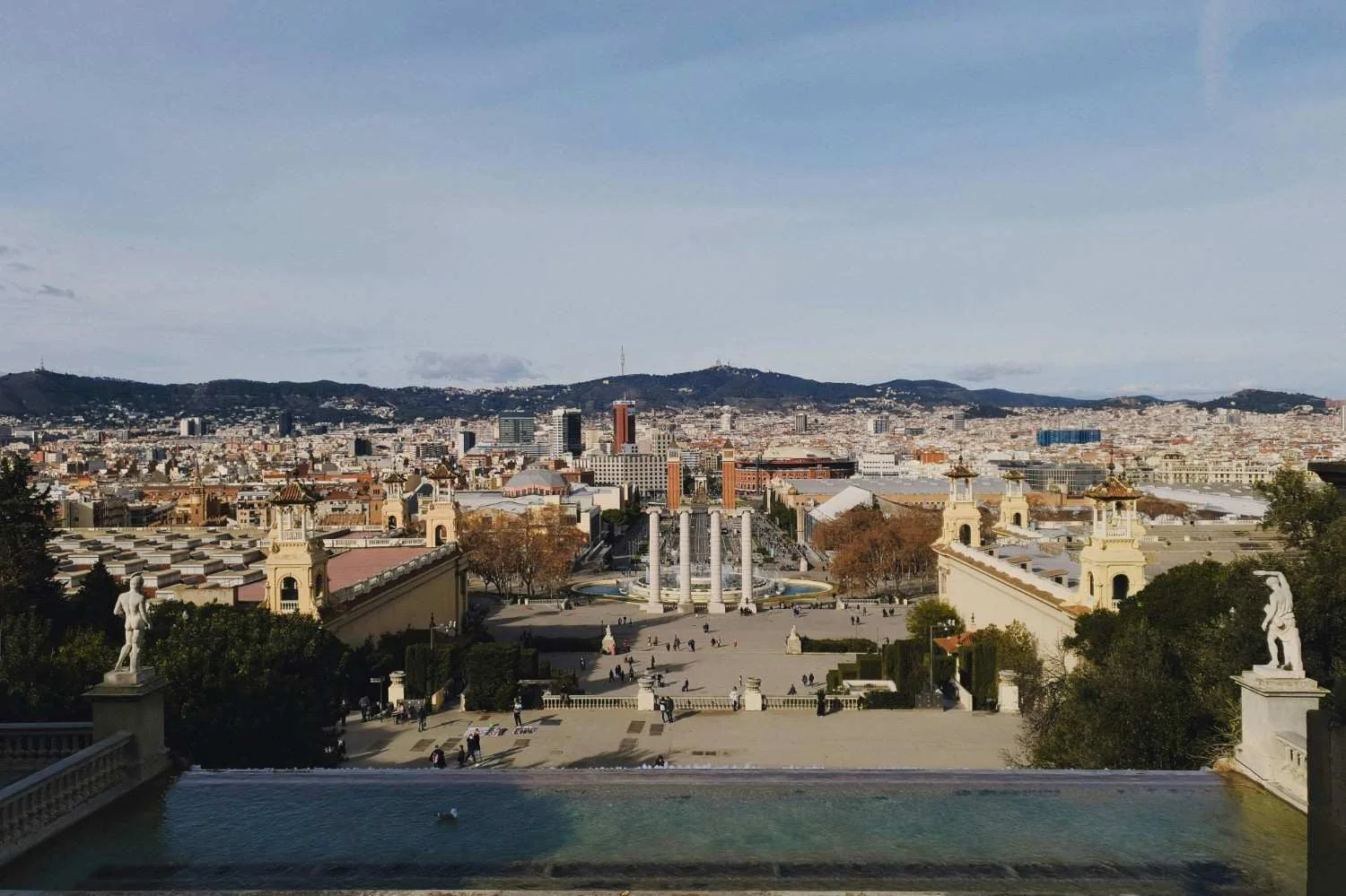
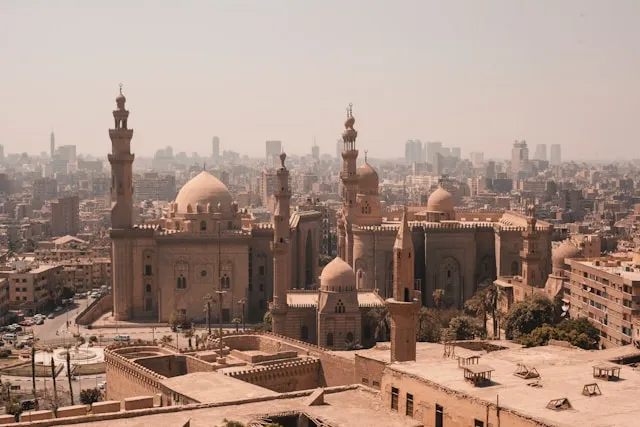
Understanding how buildings reflect and shape society. Classical architecture in Rome. Gothic cathedrals across France. Modernist masterworks in Barcelona, Chicago, or São Paulo. Islamic architecture from Spain to India. Architects or architectural historians lead these tours. You're learning to read buildings—how structure works, what stylistic choices mean, how architecture responds to climate and culture. Walking through buildings beats looking at photos.
Gallery and studio visits with artists, curators, and critics. Understanding what contemporary artists are doing and why. Programs exist in major art centers—New York, Berlin, London, Hong Kong, Mexico City. Often include artist talks, gallery openings, and discussions with art world professionals. These tours help demystify contemporary art. What looks weird or meaningless becomes more comprehensible when artists explain their work and critics provide context. You might not love everything you see, but you'll understand it better.
Understanding cuisines as expressions of geography, history, and culture. Why Italian food differs region to region. How trade routes shaped Middle Eastern cooking. What colonialism did to Latin American foodways. These include cooking classes but go deeper—market visits learning to identify ingredients, meeting producers who maintain traditional methods, studying historical recipes and techniques. Food historians or chefs with deep cultural knowledge lead these programs. Popular destinations include Italy, France, Thailand, Mexico, Peru, India, Morocco, and Japan. Programs usually 7-14 days, combining cooking instruction with cultural education.
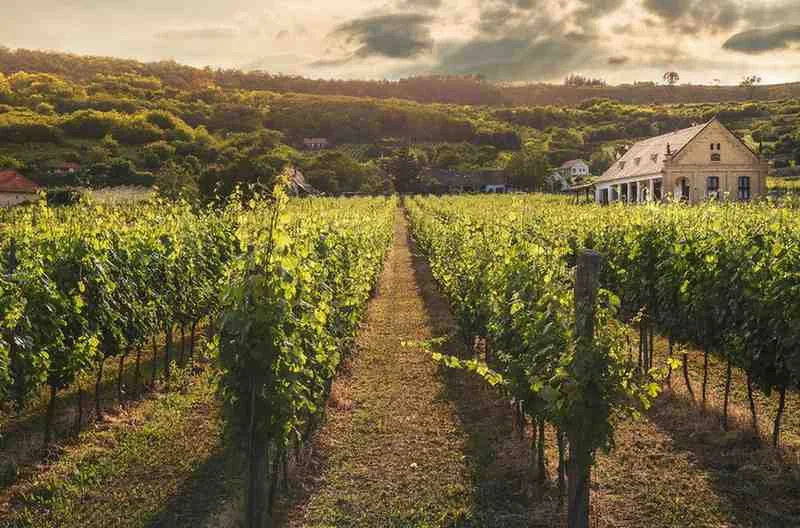
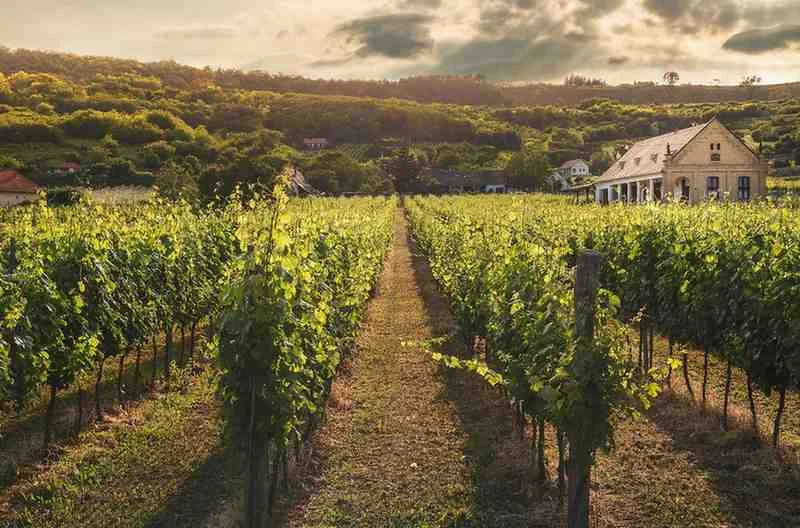
Understanding viticulture, fermentation, distillation, and how terroir affects flavor. Not just tasting—learning. Vineyard tours explaining grape growing. Cellar tours showing production. Guided tastings teaching flavor analysis. Regions include France, Italy, Spain, California, South Africa, and anywhere wine or spirits are made. Some programs target serious wine students preparing for certifications. Others welcome enthusiastic amateurs who want to learn more than casual tastings teach.
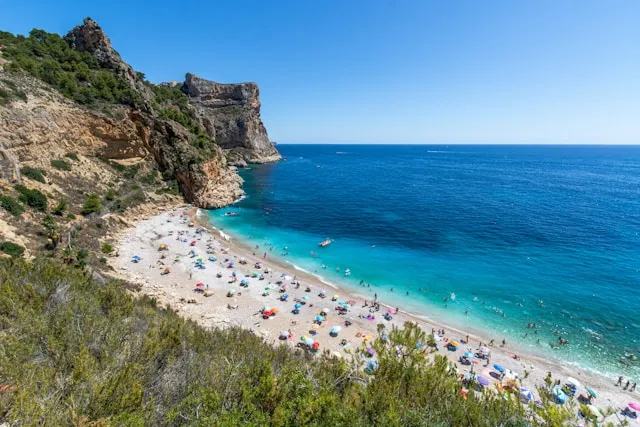
Most programs require booking months ahead
Most programs require booking months ahead. Limited group sizes fill early, especially for specialized topics or summer travel. Academic calendars drive some timing—professors leading tours during university breaks, student groups traveling during summer.
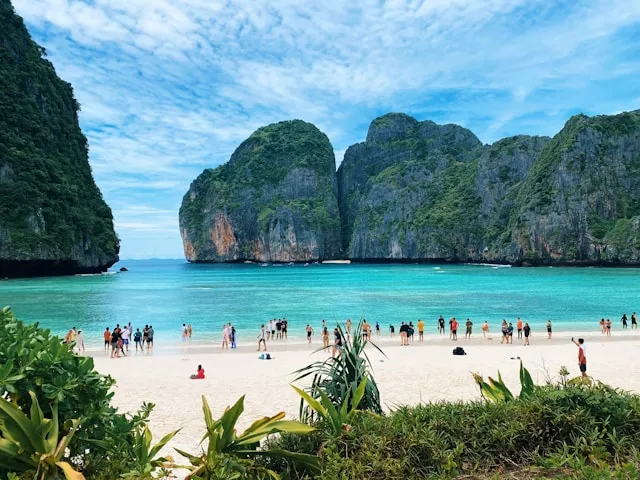
Prices typically run higher than regular tours
Prices typically run higher than regular tours. Expert guides cost more. Small groups mean fixed costs spread across fewer people. Specialized access requires relationship building and sometimes fees. Budget $300-500 per day for quality educational tours, not including international flights.
That said, value is real
That said, value is real. Compare learning intensively from experts for two weeks to earning college credits or taking evening classes. Many people find the cost justified by the depth of learning.
Daily schedules are structured but not rigid
Daily schedules are structured but not rigid. Morning lectures or site visits. Lunch often includes informal discussion. Afternoon activities or site visits. Evening might include readings, films, or optional lectures. Free time exists but less than on vacation-focused tours.
Physical demands vary
Physical demands vary. Archaeological tours involve walking on uneven ground in heat. Art tours mean standing in museums for hours. Natural history tours might include hiking or snorkeling. Consider your fitness level honestly.
Homework exists on many programs
Homework exists on many programs. Reading assignments, observation journals, sketching exercises. Optional but encouraged. The more effort you invest, the more you learn. Some programs offer continuing education credits, requiring completion of assignments.
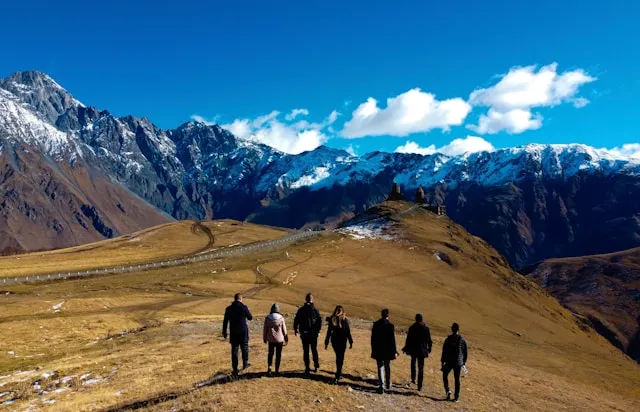
Group dynamics matter
Group dynamics matter. Educational tour participants genuinely want to learn. Discussions are substantive. Questions are encouraged. If you love geeking out about specialized topics with other interested people, you'll fit right in. If you just want pleasant travel companions, you might find the intensity overwhelming.
Regular tours hit highlights and move on. Educational tours dig deeper. Here's what sets them apart.
Subject matter experts as guides
These guides aren’t generalists—they’re experts: historians, marine biologists, art historians, or local researchers. Their deep knowledge lets them answer unexpected questions, connect what you see to broader contexts, and teach you to think critically rather than just pointing out highlights.
Extended time at significant sites
Educational tours spend hours where bus tours spend 30 minutes. You're reading inscriptions, examining architectural details, discussing theories about historical events, or observing natural phenomena. The slower pace allows actual learning instead of just experiencing.
Pre-trip educational materials
Many programs send readings, videos, or background information before departure. This prep work means you arrive with foundational knowledge. On-site time focuses on deeper questions and firsthand observation rather than basic orientation.
Small group sizes
Usually 10-20 people maximum. Small enough for genuine discussion and questions. Large tour groups can't have meaningful conversations or get into restricted areas. Educational programs keep groups intimate.
Access to experts and special location
Research facilities, private collections, archaeological sites not open to public, meetings with local scholars or practitioners. Educational tour operators cultivate these relationships specifically to enhance learning.
Active learning components
Hands-on archaeology, tide pool examinations, sketching workshops at museums, cooking classes that teach cultural foodways. You're participating, not just observing. This experiential learning sticks better than passive listening.
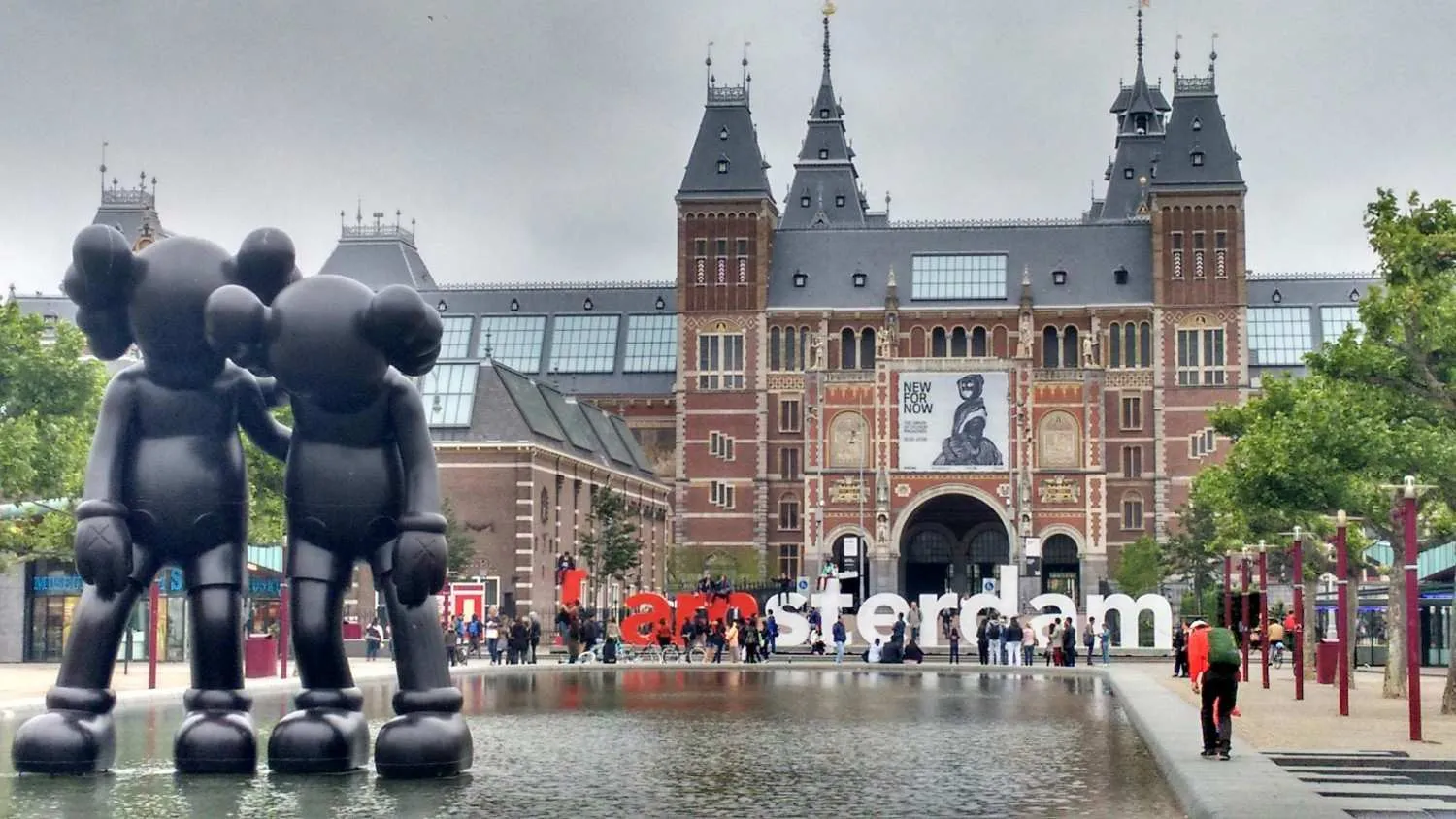
Read the pre-trip materials
Read the pre-trip materials. If they send a reading list, actually read at least some of it. You'll get more from the tour if you arrive with foundational knowledge.
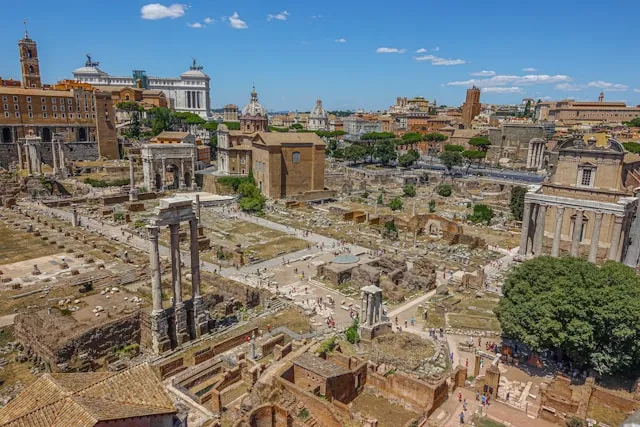
Brush up on basics if needed
Brush up on basics if needed. If your ancient Rome knowledge is fuzzy, refresh it before your archaeology tour. If you've forgotten your college art history, review key movements before visiting museums.
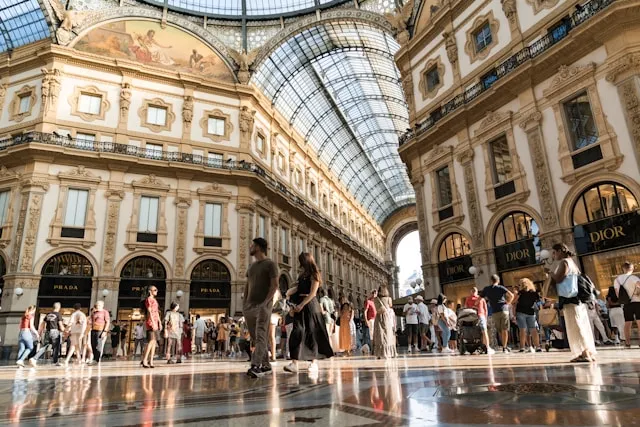
Bring appropriate gear
Bring appropriate gear. Field guides for nature tours. Notebooks for lectures. Comfortable shoes for standing in museums. Whatever the program recommends.
Prepare questions
Prepare questions. What do you most want to understand about this topic? What confuses you? What would you like the expert to explain? Good guides welcome questions—have some ready.
Be ready to engage
Be ready to engage. Educational tours work best when participants contribute to discussions. You don't need to be an expert, but willingness to think critically and share ideas enriches everyone's experience.
Browse our educational tour packages to find programs that match your intellectual interests and learning goals. Whether you want to understand ancient civilizations, study ecosystems with scientists, learn art history from curators, or explore any specialized subject, we connect you with expert-led programs that deliver genuine education.
For different approaches, check our Cultural Tour Packages ffor broader cultural experiences, Historical Tour Packages for history-focused travel without academic intensity, or Art Culture Packages for arts-focused tours at a more relaxed pace. Ready to turn travel into learning? Contact us about specific subject areas, destinations, or program levels. We'll help you find educational tours that match your knowledge level and learning interests.
Still have questions? Contact our team on support@mundotrip.com
Related packages: Cultural Tour Packages, Historical Tour Packages, Art Culture Packages, Multi-City European Tours, Religious Pilgrimage Packages, Beach Vacation Packages, Budget Vacation Packages, Island Vacation Packages, Wine Country Vacation Packages, Mountain Vacation Packages
Do I need a college degree or background in the subject to join educational tours?
Can I get college credit for educational tour packages?
What if I can't keep up with the pace or academic level?
Can I travel solo on educational tours or do I need a group?
Are educational tours appropriate for children and teenagers?
How do educational tours differ from regular tours?
Are educational tours boring?
Do educational tours visit the same places as regular tourist tours?


Got Questions? Call us 24/7!
1-866-331-1746
Email for Us!
support@mundotrip.com
35 Journal Square Suite 424, Jersey City, NJ 07306






Copyright © 2026 Mundo Trip registered in New Jersey, United States Of America



