


 01 Jul, 2026
American Airlines Opens New Grab-and-Go Lounge at JFK
01 Jul, 2026
American Airlines Opens New Grab-and-Go Lounge at JFK
MundoTrip | Travel News | 24 June 2026
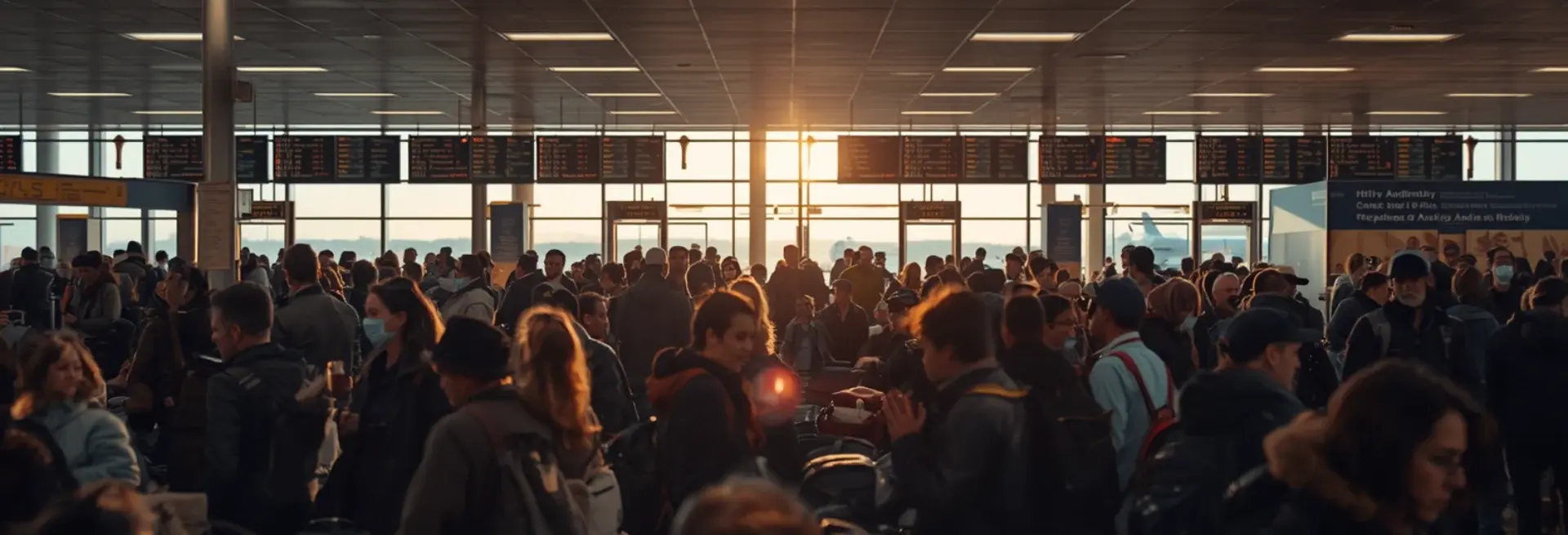
Travelers passing through San Francisco International Airport this summer may want to prepare for longer waits and a higher chance of delays. One of the busiest airports in the United States is facing significant operational challenges after a new Federal Aviation Administration safety directive permanently changed how aircraft land at the airport, while a major runway construction project continues in the background. The combined impact has dramatically reduced the airport's arrival capacity and contributed to a sharp rise in delays affecting both domestic and international travelers. For passengers connecting through San Francisco or beginning their journeys there, understanding what is happening at the airport could help avoid unexpected disruptions during one of the busiest travel periods of the year.
The biggest change affecting travelers stems from a new FAA safety rule that took effect on March 31, 2026. Under the directive, aircraft are no longer permitted to perform simultaneous side-by-side landings on San Francisco International Airport's closely spaced parallel runways. Previously, this procedure allowed the airport to maximize arrival capacity during favorable weather conditions. The FAA determined that the airport's runway configuration no longer met modern aircraft separation standards and now requires staggered, radar-guided approaches instead. While the change was implemented to enhance safety, it has significantly reduced the number of aircraft that can arrive at the airport each hour, creating a ripple effect throughout airline schedules.
Before the FAA restrictions were introduced, San Francisco International Airport could accommodate approximately 54 arriving flights per hour during peak operations. Under the new procedures, that figure has fallen to around 36 arrivals per hour, representing a reduction of roughly one-third. The decrease may sound technical, but its impact on travelers is substantial. Fewer arriving aircraft mean longer spacing between flights, more aircraft waiting for landing slots, and greater potential for delays that can spread throughout airline networks. Because San Francisco serves as a major hub for domestic and international travel, disruptions there often affect flights far beyond Northern California. Airlines operating large schedules at the airport, including United Airlines and Alaska Airlines, have already been forced to adjust operations to accommodate the reduced capacity.
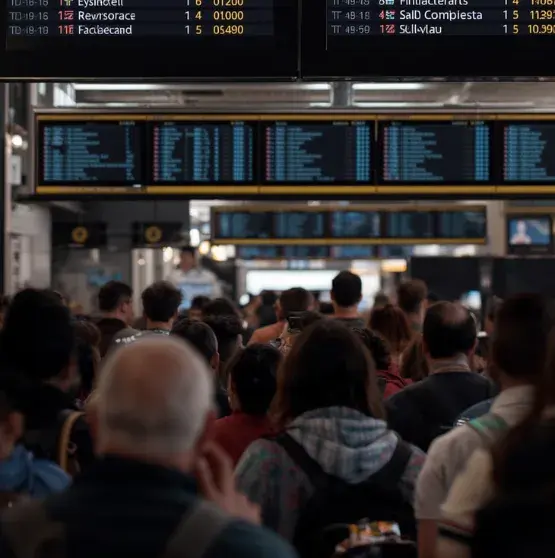
Recent analysis of airport operations shows just how dramatically the situation has changed. Between April 1 and June 10, 2026, the average delay at San Francisco International Airport increased from approximately five minutes during the same period in 2025 to around twenty minutes this year. The issue is not simply that delays are lasting longer; significantly more flights are being delayed in the first place. Last year, about 18 percent of flights experienced delays of 15 minutes or more. This year, that number has climbed to approximately 41 percent, meaning more than four out of every ten flights are now experiencing meaningful delays. For travelers with tight schedules or connecting itineraries, these increases can quickly translate into missed connections and longer travel days.
Compounding the FAA restrictions is a major runway rehabilitation project currently underway at the airport. Runway 1R was closed at the end of March as part of a $180 million construction program designed to improve airport infrastructure. The project is expected to continue through early October 2026 and has reduced operational flexibility at a time when the airport is already dealing with lower arrival capacity. Airport officials and federal regulators have emphasized that the runway project and the FAA landing restrictions are separate issues, but together they have created a challenging operating environment that is expected to continue throughout much of the summer and early fall travel season.
Travelers who have flexibility in their schedules may be able to reduce their chances of encountering significant delays by carefully choosing their departure times. Data analyzed during the spring period found that the most disruption-prone times at the airport occurred around 1 p.m. and 9 p.m., when more than half of flights experienced delays. Early morning departures, however, have remained considerably more reliable. Flights departing around 5 a.m. and 7 a.m. recorded some of the lowest delay rates during the study period. While no flight schedule is completely immune to disruption, choosing earlier departures may improve the likelihood of an on-time journey while the airport continues operating under its current constraints.
The FAA has made clear that the landing restrictions are permanent and not tied solely to the temporary runway construction project. While completion of the runway work later this year should improve operational flexibility, the airport is expected to continue operating under the revised landing procedures. Federal projections suggest that approximately 25 percent of arriving flights could experience delays of 30 minutes or longer under the current system. For travelers, the best approach is to monitor flight status updates closely, allow additional time for connections, and remain aware that delays may continue to affect schedules throughout the remainder of the construction period. Travelers connecting through San Francisco should be especially cautious when booking short layovers, as even moderate delays can create challenges in a tightly connected airline network.
For millions of travelers, San Francisco International Airport serves as a gateway to destinations across the United States, Asia, Europe, and beyond. The combination of FAA safety changes and ongoing runway construction has transformed what was already a busy airport into one of the most delay-sensitive hubs in the country. While the changes are intended to improve long-term safety and infrastructure reliability, travelers should expect a more challenging experience in the near term. Staying informed, checking flight updates regularly, and planning for potential delays will be essential for anyone traveling through San Francisco during the remainder of 2026. As airlines and airport officials continue working to manage the new operating environment, passengers who prepare ahead of time will be in the best position to minimize disruptions to their travel plans.
For travelers flying through San Francisco International Airport or connecting through the airport to destinations across the United States, Asia, Europe, and beyond, follow MundoTrip for the latest airport updates, flight disruptions, airline news, and travel advisories that may impact your journey.
 01 Jul, 2026
American Airlines Opens New Grab-and-Go Lounge at JFK
01 Jul, 2026
American Airlines Opens New Grab-and-Go Lounge at JFK
 01 Jul, 2026
Delta Plans to Take Over Spirit's Atlanta Airport Gates
01 Jul, 2026
Delta Plans to Take Over Spirit's Atlanta Airport Gates
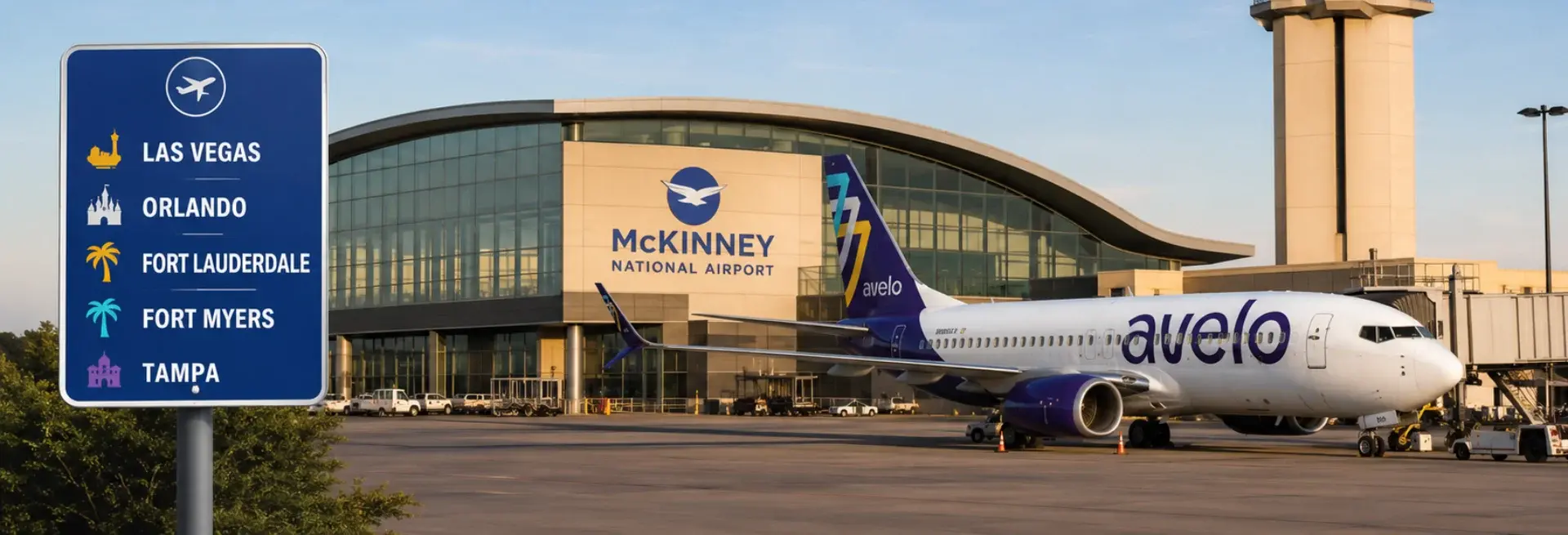 01 Jul, 2026
Avelo Launches 5 New Nonstop Routes From McKinney Airport
01 Jul, 2026
Avelo Launches 5 New Nonstop Routes From McKinney Airport
 01 Jul, 2026
Southwest Airlines Adds 23 New Nonstop Routes Across the US
01 Jul, 2026
Southwest Airlines Adds 23 New Nonstop Routes Across the US
 01 Jul, 2026
British Airways Expands US Flights With New Orlando Route
01 Jul, 2026
British Airways Expands US Flights With New Orlando Route


Got Questions? Call us 24/7!
1-866-331-1746
Email for Us!
support@mundotrip.com
35 Journal Square Suite 424, Jersey City, NJ 07306






Copyright © 2026 Mundo Trip registered in New Jersey, United States Of America