We build trips around you, not the other way around. Our team of travel specialists handles flights, hotels, car rentals, and vacation packages based on what you need. Flexible payment options like book Now Pay Later make booking easier on your budget. You also get 24/7 support, free cancellation within 24 hours, and hassle-free changes if plans shift. Best price guarantee, secure payments, and instant booking solution.

Guarantee

Customer Support

Free Cancellation

Payments

Changes

Booking
Photography Tours that Combine Adventure, Learning, and Unmatched Shooting Opportunities
Taking photos on holiday is one thing. Booking a trip specifically to improve your photography is another.
Photography tour packages combine travel with structured shooting opportunities and guidance. You'll visit locations chosen for their visual appeal during optimal lighting conditions. Most packages include instruction from working photographers who know the technical side and the local conditions.
At Mundotrip.com, our photography tour packages give you access to destinations where the light, landscape, or subject matter makes the effort worthwhile. Whether you're working on wildlife shots in Tanzania or architectural photos in Rome, these packages put you in the right place when conditions favor photography.
Photography tours aren't standard sightseeing trips with a camera added on. Here's what you get.
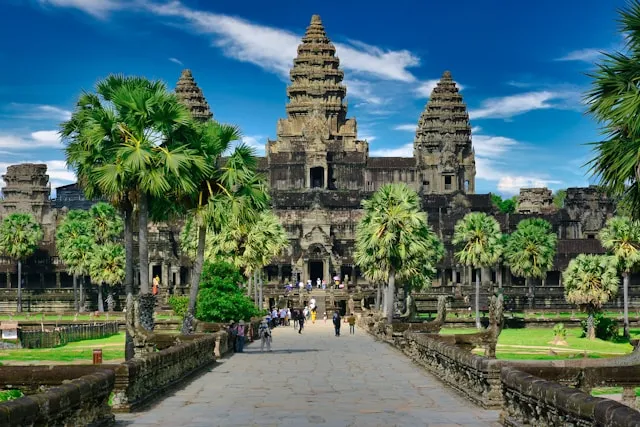
A photographer who knows the location leads you to specific spots at specific times. Sunrise over Angkor Wat. Golden hour in Santorini. Blue hour in Paris. They've scouted the angles and know when to be where.
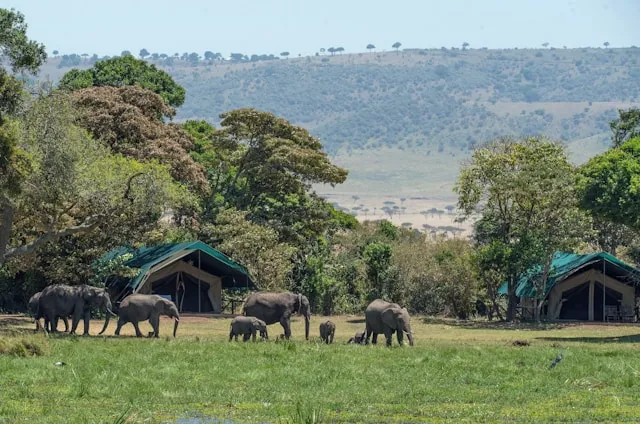
Group sizes stay small—usually 6-12 people—so you get actual feedback on your work. Instructors review settings, composition, and post-processing. Some tours include evening sessions where everyone shares their day's shots and discusses what worked.
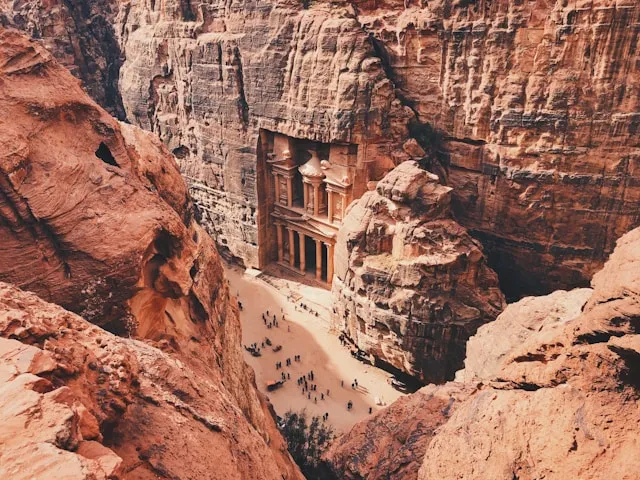
Many prime photography locations require permits or early access. Tours handle this. You're shooting in Petra before the crowds arrive or accessing restricted areas of national parks.
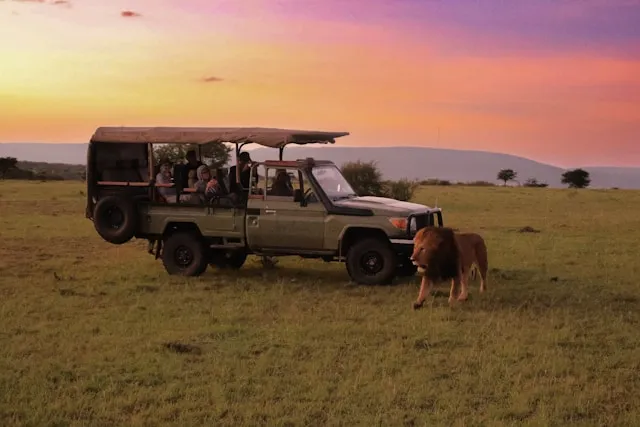
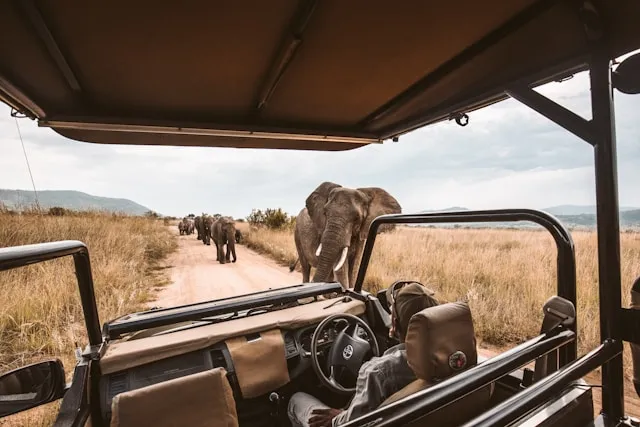
Wildlife photography in Kenya or landscape work in Patagonia requires getting to places without regular tourist access. Photography tours include the vehicles and logistics.
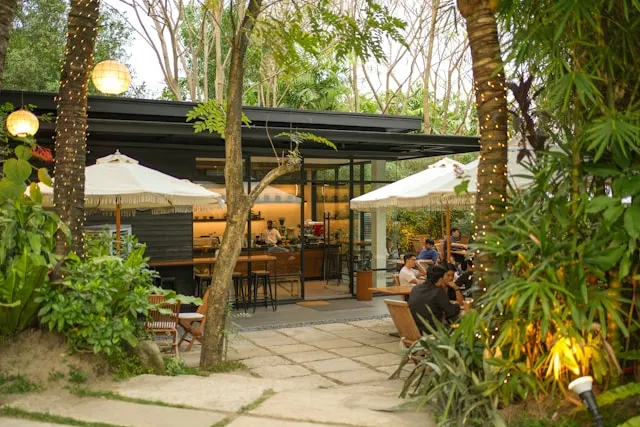
Covered, but not the focus. You stay near shooting locations to maximize time with good light.
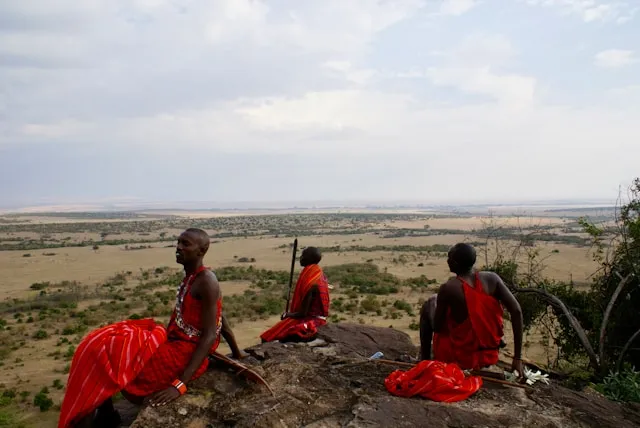
Tours featuring people—Maasai warriors, Cuban musicians, Rajasthani villagers—have arranged these encounters properly. You're not awkwardly asking strangers for photos.
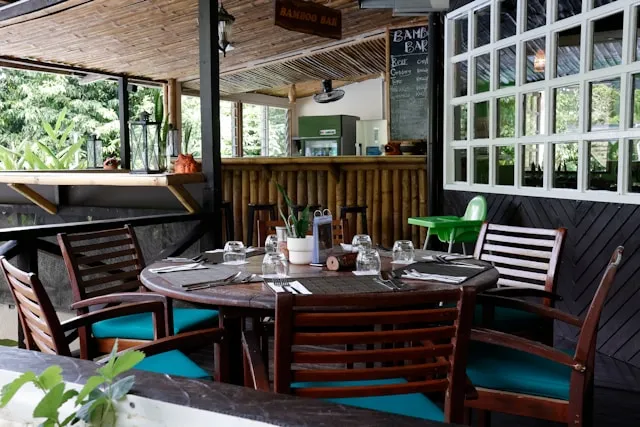
Airfare to the departure city, alcohol beyond dinner wine, personal gear, and image processing software licenses.
Find inspiration from top trips


Someone from our sales team will be in touch with you shortly
Photography tours split into categories based on what you're shooting.
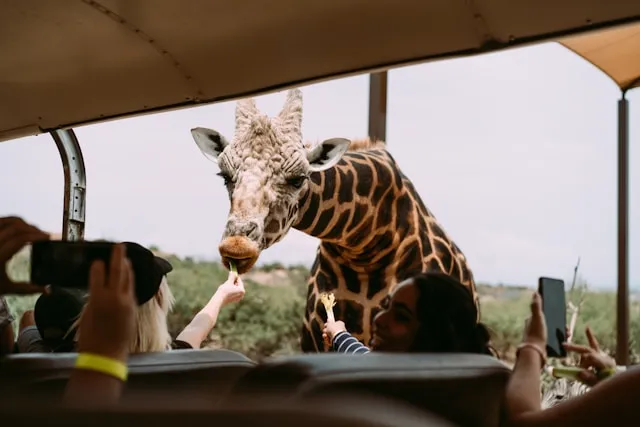
Wildlife and Safari Photography
Tanzania and Kenya dominate this category. The Serengeti migration offers predictable wildlife movement between July and October. Masai Mara provides close access to big cats.
Botswana's Okavango Delta works well for bird photography and smaller species. Water-based safaris put you at animal eye level.
Costa Rica delivers accessible rainforest wildlife. Sloths, toucans, and poison dart frogs pose better than African megafauna.
Alaska during salmon runs brings bears to known locations. You shoot from platforms with clear sight lines.
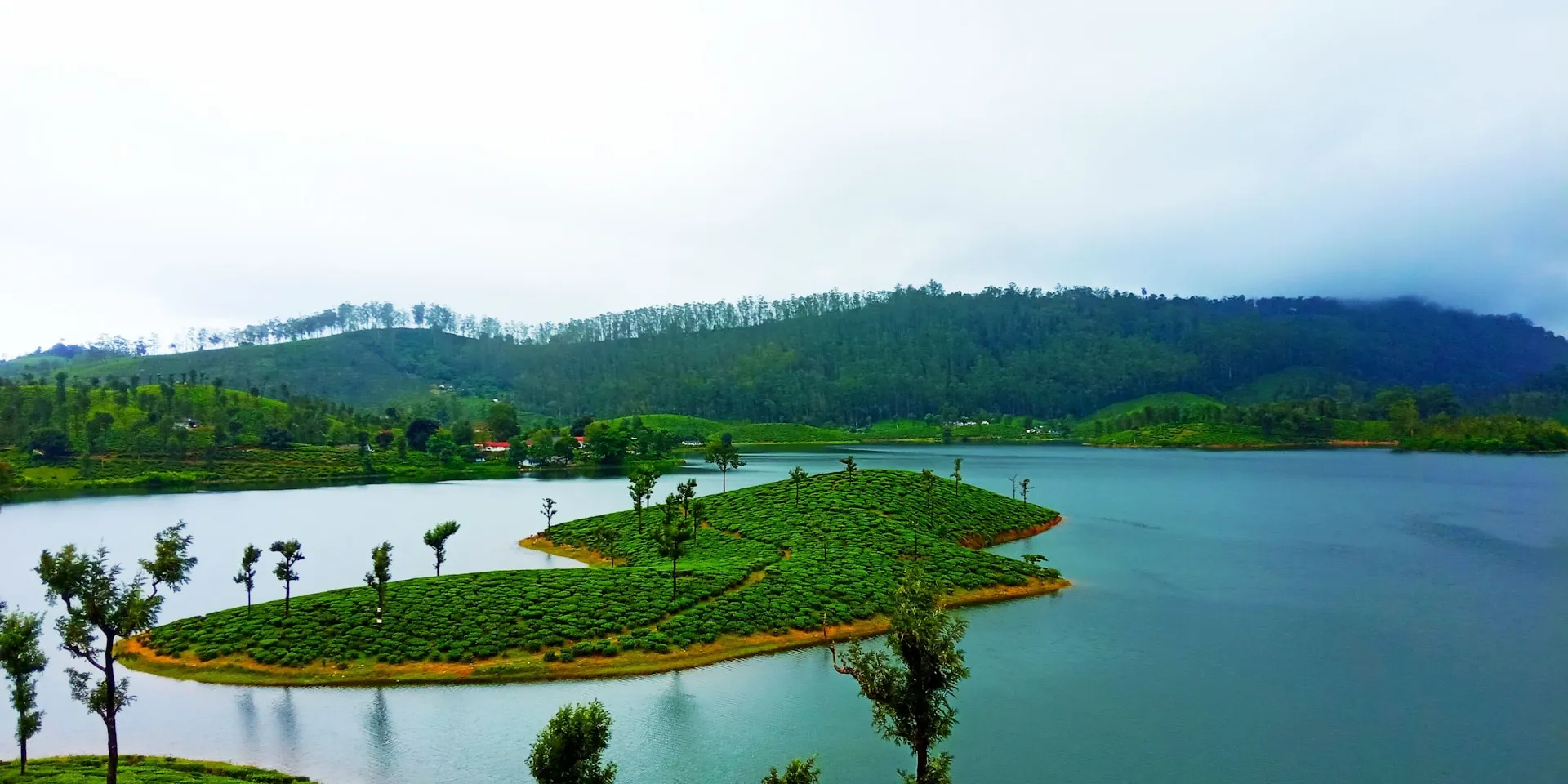
Landscape and Nature Photography
Iceland has built its tourism economy partly on photography. Waterfalls, glaciers, volcanic formations—all easy to reach and shoot. Winter brings northern lights.
New Zealand's South Island delivers mountains, lakes, and coastlines within short distances. Fiordland and Mount Cook provide dramatic scenery.
Arizona and Utah offer slot canyons, arches, and desert formations. Antelope Canyon requires guided entry but produces reliably stunning images.
Norway's fjords and Lofoten Islands combine dramatic landscapes with fishing villages and arctic light.
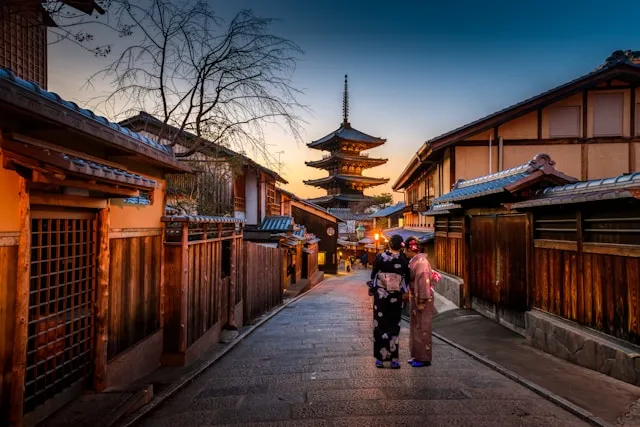
Cultural and Street Photography
India provides intense visual density. Rajasthan's cities offer color, festivals, and architectural details. Varanasi adds spiritual ceremonies along the Ganges.
Morocco works well for market photography, desert landscapes, and traditional crafts. Fez and Marrakech medinas reward patient shooting.
Cuba froze in the 1950s visually. Classic cars, colonial architecture, and street scenes feel like shooting in another era.
Japan during cherry blossom season (late March to early April) or fall foliage (November) combines traditional temples with seasonal color.
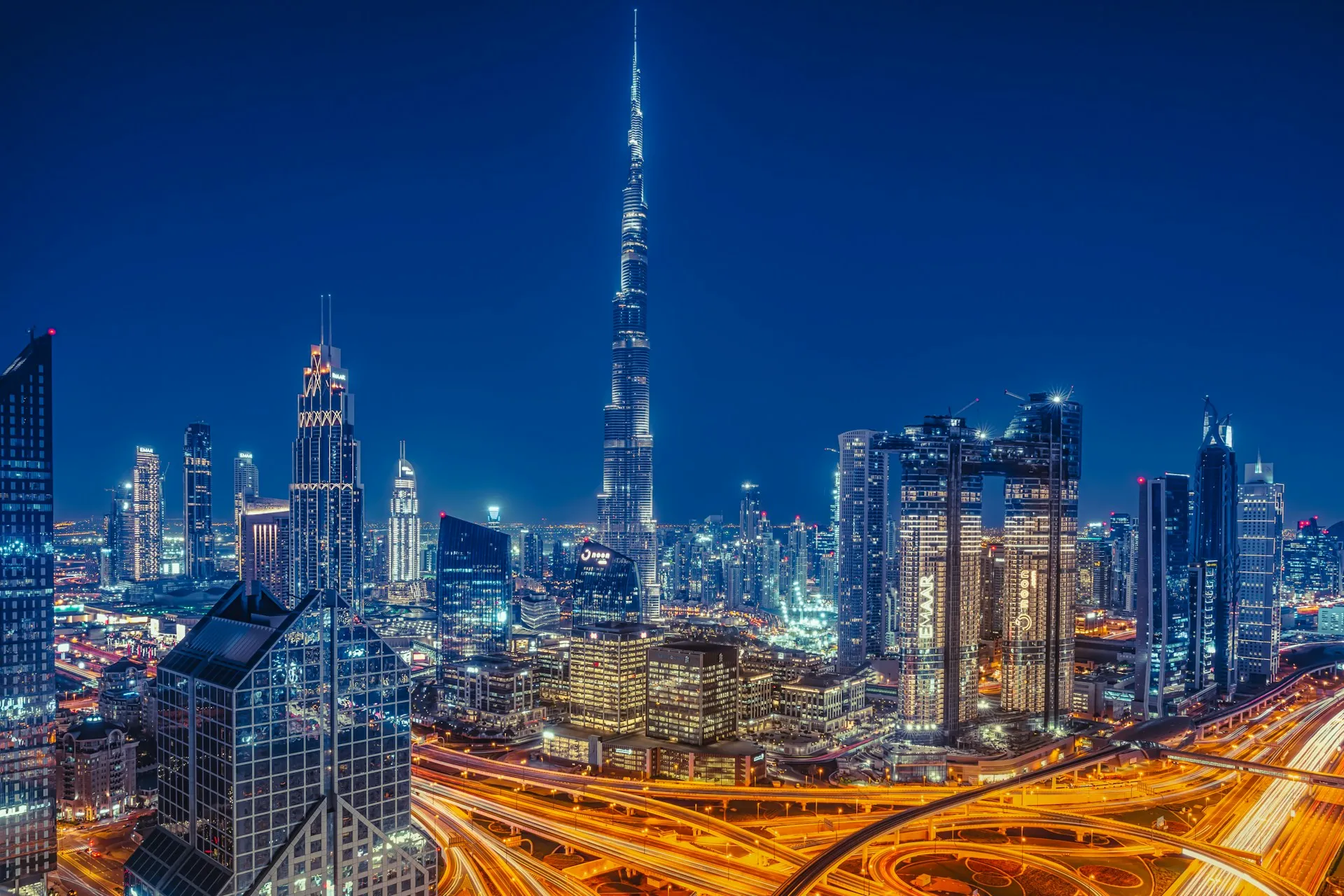
Architecture and Cityscape Photography
Rome, Florence, and Venice provide centuries of European architecture in compact areas. Early morning shooting avoids crowds.
Barcelona centers on Gaudí's work. Architecture tours time visits to Casa Batlló and Sagrada Família for specific light angles.
Dubai offers ultramodern architecture and desert surroundings. Night photography from the Burj Khalifa requires advance booking.
Istanbul bridges continents and styles. Ottoman mosques, Byzantine churches, and modern construction coexist.
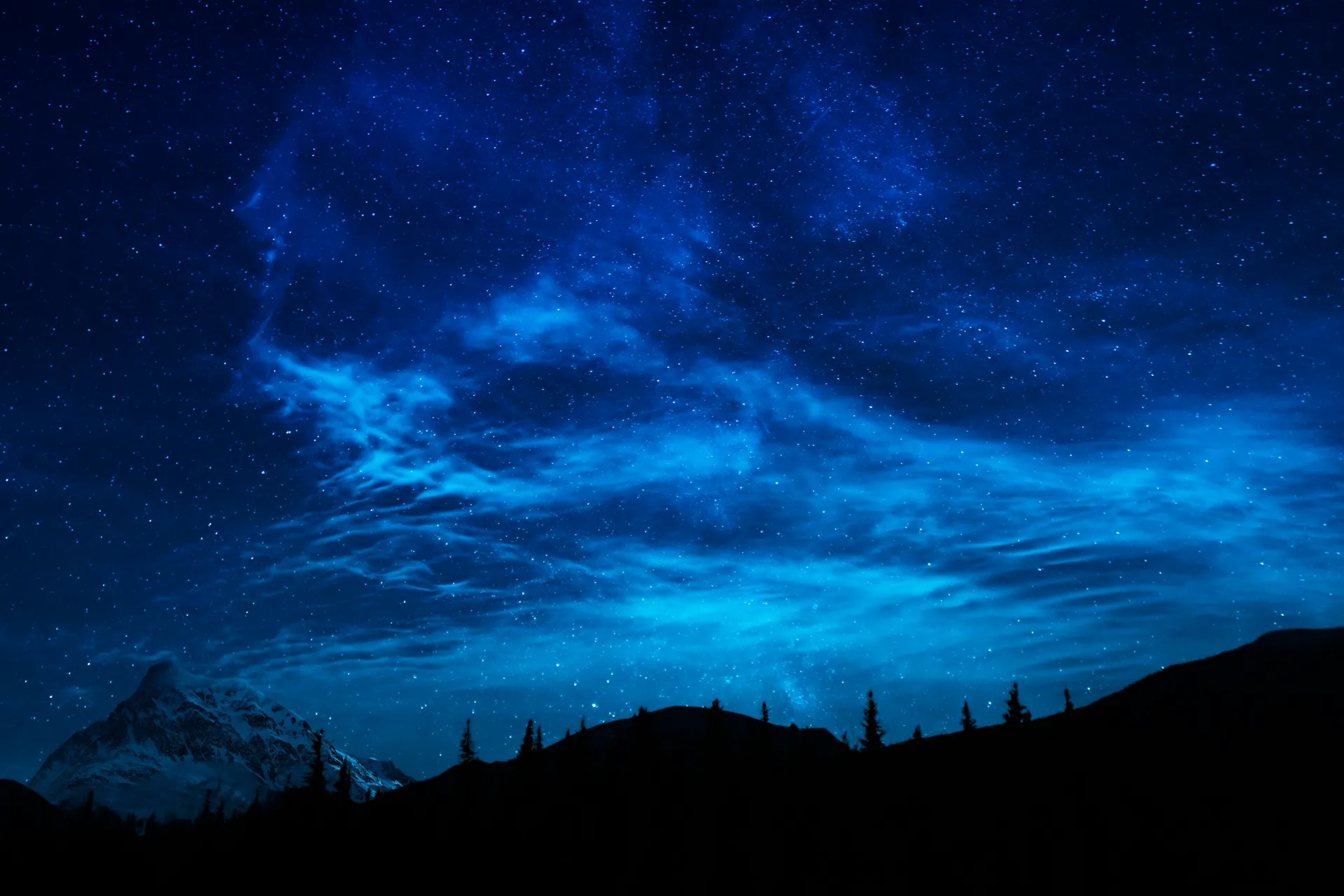
Astrophotography and Night Sky
Chile's Atacama Desert has some of Earth's clearest skies. High altitude, low humidity, and zero light pollution make it ideal for Milky Way photography.
Namibia combines dark skies with interesting foreground subjects—dead trees, sand dunes, desert landscapes.
New Mexico and West Texas offer accessible dark sky preserves without international travel.
Not all photography tours suit all skill levels or shooting interests.
Check the instructor's background
Published photographers with solid portfolios indicate serious instruction. Wedding photographers leading African safaris might lack the right experience.
Review the itinerary carefully
How many hours per day are dedicated to shooting? Tours that pack in sightseeing between photo sessions don't maximize your time.
Ask about group size
6-8 people means individual attention. 15-20 means less instructor time per person. Larger groups also affect access to prime shooting positions.
Evaluate accommodations
Photography tours prioritize location over luxury. Staying in a simple lodge inside Serengeti beats a fancy hotel an hour away. But check if basic needs—reliable showers, decent food—are met.
Consider physical requirements
Wildlife photography can mean hours in vehicles on rough roads. Nepal treks require altitude tolerance. Urban photography demands walking 5-8 miles daily.
Past participant photos
Legitimate tours show galleries from previous trips. This indicates what's actually achievable, not just what's theoretically possible.
Photography tours don't run year-round. They cluster around optimal conditions.
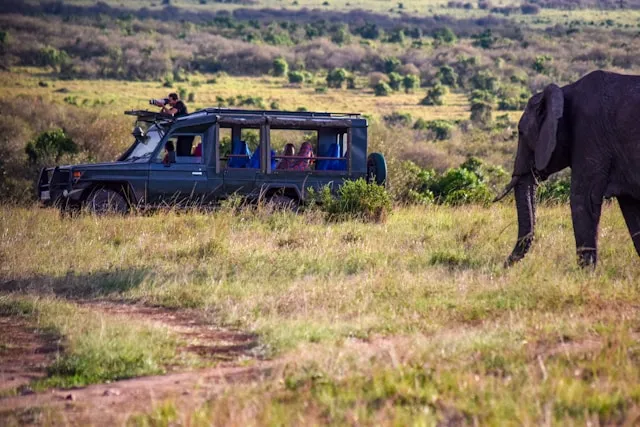
Tanzania and Kenya tours concentrate during the Great Migration—July through October. Book 8-12 months ahead. These fill up because the timing is so specific.
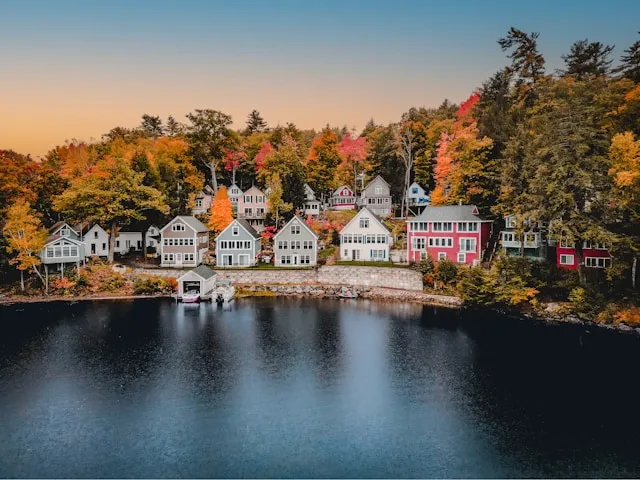
Fall foliage tours to Japan or New England book out 6 months early. Cherry blossom timing varies by 2-3 weeks depending on weather. Tours hedge by offering multiple dates.
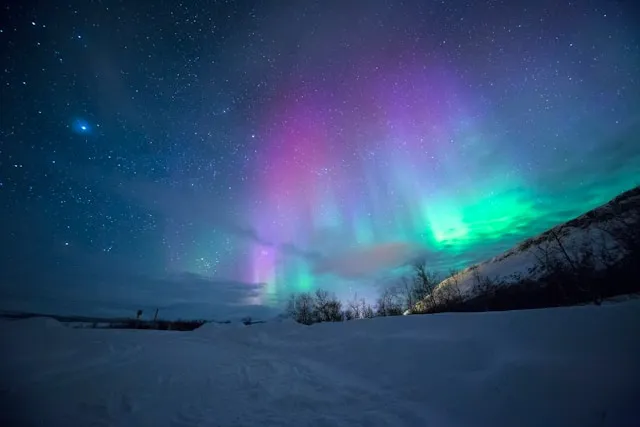
Iceland, Norway, and Finland tours run October through March. Book 4-6 months early. Success isn't guaranteed—you need solar activity and clear skies.
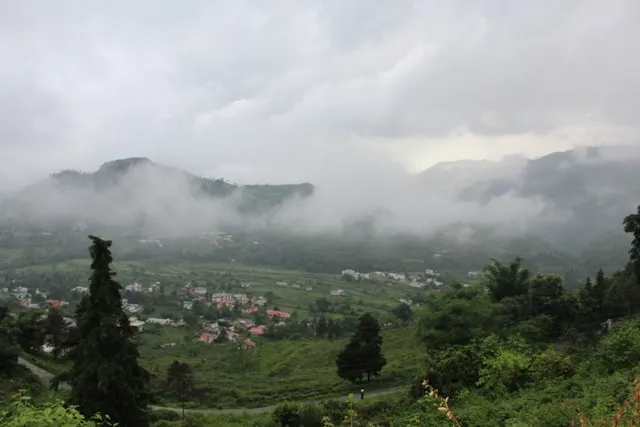
India's monsoons (June-September) provide dramatic skies but also complicate travel. Post-monsoon (October-November) offers clear air and green landscapes.
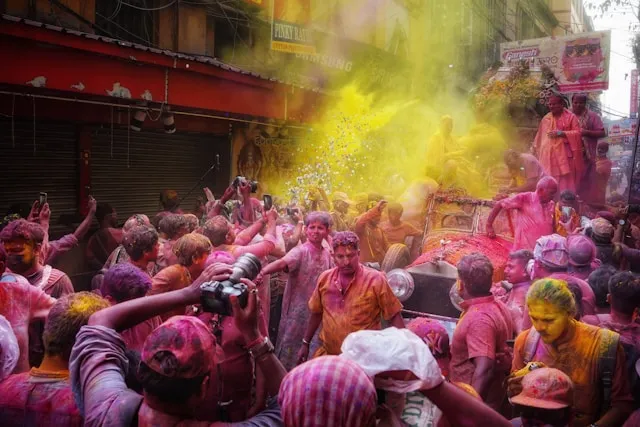
Holi in India, Día de los Muertos in Mexico, carnival in Venice—these require booking a year ahead. Hotel capacity near shooting locations is limited.
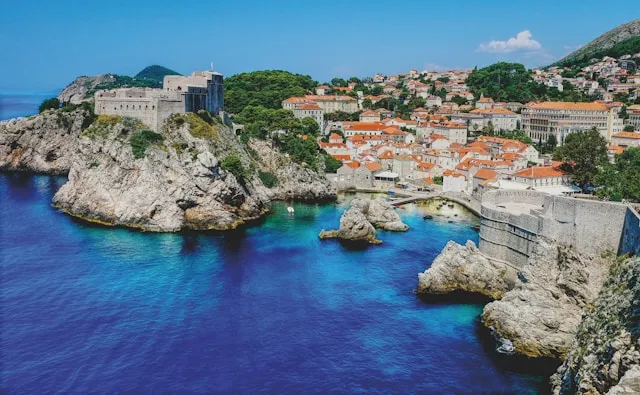
Shooting Croatia or Greece in May or October avoids crowds but keeps good light. Prices drop 20-30% from July rates.
Should you book a tour or shoot independently?
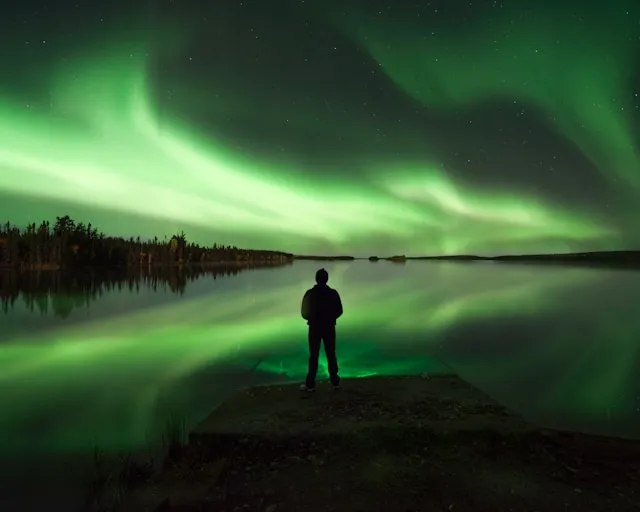
You need local knowledge of shooting locations and timing. Wildlife photography, aurora hunting, and accessing restricted sites all benefit from guides who've done this repeatedly.
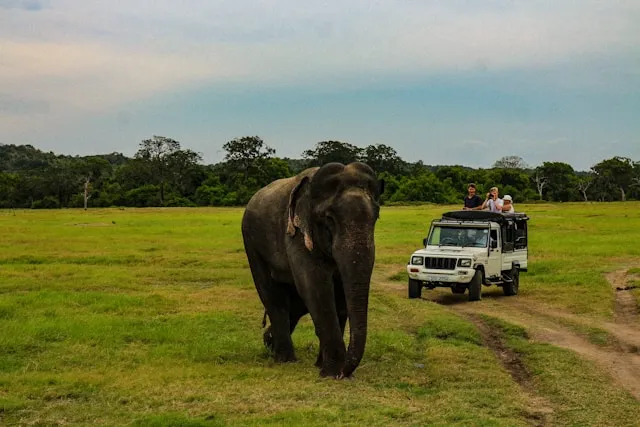
If you're improving your skills, structured instruction helps more than figuring it out yourself.
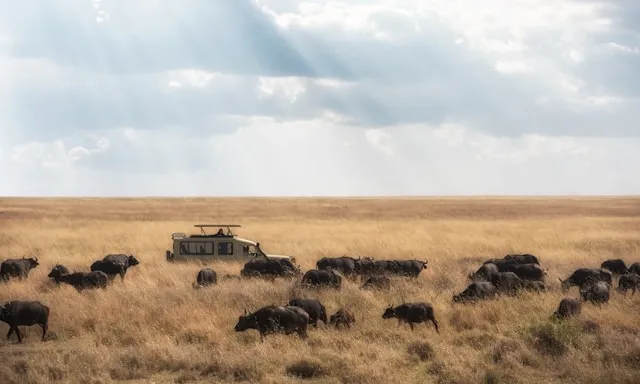
Multi-location trips across Tanzania, coordinating vehicles and lodging in remote areas—tours handle this.
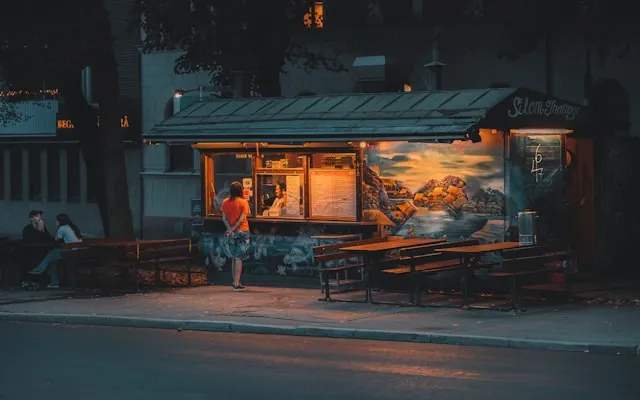
You shoot at your own pace and don't want group schedules. Street photography and urban exploration often work better alone.
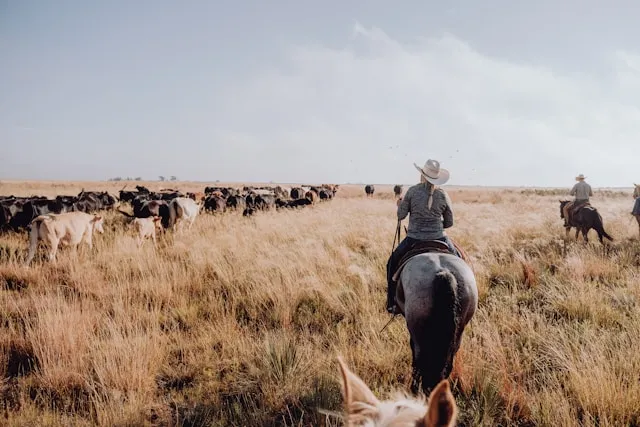
If you know your gear and have clear goals, you might not need instruction.
Tours cost more than independent travel. You're paying for expertise and logistics. If you can handle coordination yourself, you'll spend less.
You paid for structured shooting opportunities. Use them properly.
Know your gear before you go
Tours aren't the time to learn your camera's menu system. Practice beforehand with similar lighting conditions you'll encounter.
Bring backup equipment
Memory cards fail. Batteries die. A second camera body isn't excessive if photography is the trip's purpose.
Pack appropriately for conditions
Wildlife tours need long lenses (300mm minimum). Landscape work requires wide angles and tripods. Urban photography favors primes. Don't bring everything—bring what works for the destination.
Arrive early, stay late
Instructors will get you to locations at optimal times. Don't be the person slowing the group down or missing golden hour.
Review your work daily
Most tours include evening critique sessions. Participate. You'll learn faster from feedback on today's shooting than from accumulating 2,000 unreviewed images.
Respect local customs and people
Just because you're on a photography tour doesn't override basic courtesy. Ask before photographing people. Follow guide instructions on appropriate behavior.
Looking for different travel styles? Consider:
Start planning your photography tour by checking our packages to locations that match your shooting interests. Still have questions? Contact our team on support@mundotrip.com.
Related Packages: Art & Culture Vacation Packages, Music Festival Vacation Packages, Beach Vacation Packages, All-Inclusive Vacation Packages, Budget Vacation Packages, Island Vacation Packages, Wine Country Vacation Packages, Mountain Vacation Packages, Desert Vacation Packages
Do I need professional equipment for photography tours?
How much photo instruction actually happens?
Are meals included on photography tours?
Do tours provide models or arrange shoots with locals?
Can beginners join photography tours?
What happens with bad weather?
Can I bring a non-photographer?
What's the best first photography tour for learning?


Got Questions? Call us 24/7!
1-866-331-1746
Email for Us!
support@mundotrip.com
35 Journal Square Suite 424, Jersey City, NJ 07306






Copyright © 2026 Mundo Trip registered in New Jersey, United States Of America



