
We build trips around you, not the other way around. Our team of travel specialists handles flights, hotels, car rentals, and vacation packages based on what you need. Flexible payment options like book Now Pay Later make booking easier on your budget. You also get 24/7 support, free cancellation within 24 hours, and hassle-free changes if plans shift. Best price guarantee, secure payments, and instant booking solution.

Guarantee

Customer Support

Free Cancellation

Payments

Changes

Booking
Retirement opens up travel opportunities that working life never allowed. You're not limited to two weeks in August or fighting crowds during school holidays. You can travel in September when prices drop and crowds thin. You can take three-week trips. You can leave on a Tuesday.
At Mundotrip.com, our senior retiree packages recognize that your travel needs differ from families with kids or couples in their 20s. You want comfortable accommodations, accessible transportation, quality over rushing through checklists, and destinations that respect your time and money.
We put together flights, hotels, and sometimes activities that match how retirees actually want to travel. No assumptions that everyone over 60 wants bus tours and early bird specials.
Find inspiration from top trips


Someone from our sales team will be in touch with you shortly
Best Travel Destinations by Retirement Stage
Your 60s, 70s, and 80s bring different travel priorities and physical considerations.

Early retirement (60-69)
Most retirees in this age range have similar physical capabilities to people in their 50s. Adventure travel, hiking, international flights, and active vacations remain accessible. Popular destinations include European river cruises, New Zealand, Alaska, national parks road trips, African safari, Peru, Vietnam, and Japan.
Browse Adventure Vacation Packages for active retirement travel.

Mid-retirement (70-79)
Travel often shifts toward comfort over adventure. Ocean cruises, escorted tours, beach resorts with easy beach access, domestic destinations, and shorter flights become more common. Popular spots include Hawaii, Caribbean, European cities with good public transit, Canadian Rockies, coastal US destinations, and Panama Canal cruises.

Later retirement (80+)
Travel typically focuses on family visits, familiar destinations, domestic trips, and organized tours. Comfortable accommodations, minimal walking, easy transportation, and medical facility access become priorities. Common trips include visits to grandchildren, repeat visits to favorite destinations, river cruises, resort stays, and short trips close to home.

US destinations retirees favor
Arizona (Scottsdale, Sedona, Phoenix) for winter warmth, Florida (Naples, Sanibel, Sarasota, St. Augustine) for beaches and golf, Charleston for history and food, Savannah for architecture and walkability, Santa Fe for art and culture, California coast (Carmel, Santa Barbara, San Diego) for scenery and weather, Asheville for mountains and craft culture.

International destinations
Italy (Tuscany, Amalfi Coast, Rome, Venice) for culture and food, France (Paris, Provence, Loire Valley) for wine and history, Spain (Barcelona, Andalusia) for architecture and climate, Portugal for affordability and scenery, Greece (islands, Athens) for history and beaches, British Isles for ancestral connections and English language.
Check European Tour Packages for organized Europe travel.

Beach destinations that work
Caribbean islands with easy flights (Turks and Caicos, Aruba, St. Lucia), Hawaii (Maui especially), Mexico beach towns with developed infrastructure (Cabo, Puerto Vallarta, Playa del Carmen), coastal US towns with beaches and amenities (Naples, Sanibel, Hilton Head, Kiawah Island, Amelia Island).

Places retirees often skip
Destinations requiring multiple flights or long connections, places with extreme weather, locations with limited medical facilities, cities with difficult public transit and extensive walking, countries with language barriers and no tourist infrastructure, high-altitude destinations (above 8,000 feet) without acclimatization time.
Different retirees want different things from travel. Your priorities depend on health, interests, budget, and travel experience.

One major advantage of retirement—you can take 2-4 week trips. Rent a villa in Tuscany for three weeks. Spend a month in Arizona. Take a six-week road trip hitting every national park. Extended stays cost less per day than short trips and let you really experience a place rather than rush through.

Winter in warm destinations while your home state freezes. Arizona, Florida, southern California, south Texas, and Mexico attract snowbirds from November through March. Some retirees rent the same condo in the same place every year. Others rotate destinations. Either way, long winter stays make sense financially and for sanity.

Bucket list trips
Alaska, African safari, Galapagos, Machu Picchu, Antarctica, Australia/New Zealand. These trips make sense in retirement—you have time and resources, and waiting longer makes physically demanding trips harder. Do the challenging trips earlier in retirement rather than waiting until mobility issues develop.

Comfortable resort stays:
All-inclusive Caribbean resorts, Hawaii beach hotels, Mexico properties with good amenities. These trips require minimal planning, include meals, provide beach or pool access, and let you relax without logistics. Good option after busy working careers or between more active trips. Look at All-Inclusive Vacation Packages for resorts with everything included.

River and ocean cruises
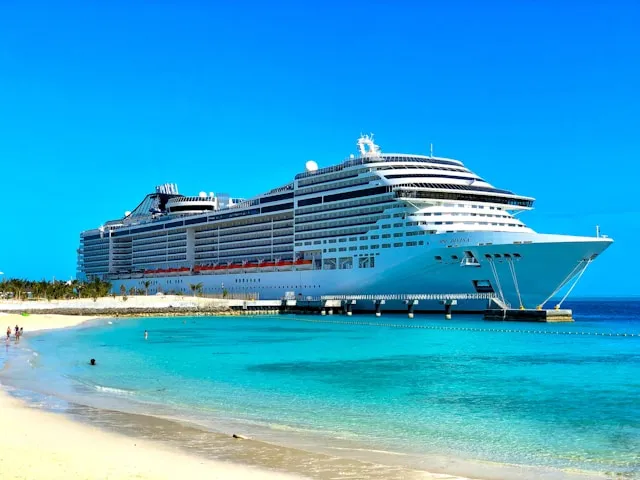
Cruises solve multiple problems—unpacking once, meals included, entertainment provided, medical staff onboard. River cruises through Europe (Rhine, Danube, Seine) combine multiple cities with easy access. Ocean cruises to Alaska, Caribbean, Mediterranean, or Panama Canal offer good value and convenience. Small ship cruises provide more intimate experiences. Browse Cruise Vacation Packages for cruise options.

Bringing kids and grandkids together at a beach resort or national park. Large vacation rentals or resorts with multiple room types work well. Disney properties, dude ranches, Caribbean resorts, Hawaii, and national park lodges are popular. Someone needs to organize these trips—usually the retiree with time to plan. Check Family Vacation Packages for group travel ideas.

RV travel
Buying or renting an RV for US travel. National park tours, snowbird migration routes, cross country drives. RV travel provides flexibility and independence. Downsides include driving a large vehicle, maintenance, campground logistics, and limited international options.

Volunteer and learning trips
Archaeological digs, wildlife conservation projects, language immersion, cooking schools, art workshops, historical tours, university-led programs. These trips combine travel with purpose and learning. You're doing something rather than just seeing things.
As you get older, certain travel factors become more important.
Health and medical access
Travel insurance becomes essential—covers medical emergencies, evacuation, trip cancellation due to health issues. Carry copies of prescriptions. Research medical facilities at your destination. Keep medications in carry-on luggage. Tell your doctor you're traveling and ask about destination-specific health concerns.
Mobility considerations
Choose hotels with lifts, ground floor rooms, or limited stairs. Research walking distances at attractions. Consider destinations with good taxi or rideshare availability. Avoid places requiring extensive walking on uneven surfaces. Request wheelchair assistance at airports if needed—no shame in making travel easier.
Pace and scheduling
You don't need to see everything. Plan one or two activities per day rather than cramming five. Build in rest days. Morning activities work better for many retirees than late nights. Choose lodging central to what you want to see—reduces daily transportation needs.
Travel insurance priorities
Medical coverage (primary consideration for retiree travel), trip cancellation/interruption (more important when booking expensive trips months ahead), emergency evacuation (especially for international travel or cruise trips), pre-existing condition coverage (read policies carefully on this).
Accommodations that work
Hotels with lifts, beach resorts with loungers and shade, cruise ships with medical facilities, vacation rentals with single-level floor plans, hotels near restaurants and attractions, properties with 24-hour front desk, places with fridges for medications.
Transportation options
Direct flights beat connections (even if they cost more), aisle seats provide easier bathroom access, premium economy or business class makes long flights tolerable, rental cars work if you're comfortable driving, organized tours solve transportation, taxis and rideshares eliminate navigation hassles.
Eating and dietary needs
Many retirees have dietary restrictions. Research destination food options. All inclusive resorts accommodate special diets if you notify them ahead. European hotels often include breakfast. Vacation rentals let you prepare your own meals. Tourist areas almost always have options for common dietary needs (gluten-free, dairy-free, diabetic-friendly).
Managing medications and health conditions
Bring extra medication (plan for travel delays), carry prescriptions in original bottles, pack medications in carry-on luggage, research pharmacy access at destinations, wear medical alert jewelry if applicable, carry health information card, know your blood type, tell travel companions about health conditions.
When you go matters as much as where you go.

September-October and April-May offer the best value. Prices drop 30-40% from peak season. Crowds thin at popular attractions. Weather stays decent at most destinations. European travel in September beats July crowds and heat. Caribbean visits in May avoid both winter crowds and summer heat.

Skip destinations during school holidays (mid-June through August, Christmas week, spring break). These periods cost more and involve more families with kids. Retirees have the luxury of traveling when everyone else can't—use this advantage.

November through March makes sense for trips to warm destinations. While your neighbors shovel snow, you're in Mexico or Florida. Book snowbird trips early—popular winter destinations fill up months ahead.

Hurricane season (June-November) in Caribbean requires flexible planning. European winter (December-February) is cold and dark. Desert destinations (Arizona, Morocco) are too hot in summer. Research seasonal weather patterns before booking.
Book 2-4 months ahead for most destinations. Cruise bookings benefit from 6+ months advance notice. Last-minute deals exist but limit your choices. Holiday periods (Thanksgiving, Christmas, New Year's) require booking 5-6 months ahead.

Three-week trips cost less per day than one-week trips. Flights are the same price whether you stay 7 days or 21 days. Longer stays let you negotiate better rates on vacation rentals. Extend trips to places you enjoy—there's no boss requiring you back by Monday.
Browse our packages to find destinations that match your interests and physical capabilities. We've put together options for beaches, culture, adventure, cruises, and domestic travel that work well for retirees. Retirement finally gives you the time to travel properly. No rushing back to work. No cramming everything into one week. You can take three-week trips, travel in September, or spend two months in Arizona.
Still deciding where to go? Contact us with questions about senior-friendly destinations, mobility accommodations, or specific package details. We've helped thousands of retirees plan trips that match their needs.
Still have questions? Contact our team on support@mundotrip.com.
Related Packages: Mobility-Friendly Vacation Packages, Wheelchair Accessible Vacation Packages, Beach Vacation Packages, All-Inclusive Vacation Packages, Budget Vacation Packages, Island Vacation Packages, Wine Country Vacation Packages, Mountain Vacation Packages, Desert Vacation Packages, Cultural Tour Packages
Am I too old to travel internationally?
How do I handle health issues while traveling?
Is it safe to travel alone as a senior?
How do we travel with grandkids?
How long should our trips be?
Should I buy travel insurance for every trip?
What if I can't walk long distances anymore?
Should we take bucket list trips now or wait?
What about dietary restrictions and food allergies?
Should we join group tours or travel independently?


Got Questions? Call us 24/7!
1-866-331-1746
Email for Us!
support@mundotrip.com
35 Journal Square Suite 424, Jersey City, NJ 07306






Copyright © 2026 Mundo Trip registered in New Jersey, United States Of America



