We build trips around you, not the other way around. Our team of travel specialists handles flights, hotels, car rentals, and vacation packages based on what you need. Flexible payment options like book Now Pay Later make booking easier on your budget. You also get 24/7 support, free cancellation within 24 hours, and hassle-free changes if plans shift. Best price guarantee, secure payments, and instant booking solution.

Guarantee

Customer Support

Free Cancellation

Payments

Changes

Booking
Wine tourism is about understanding what you're drinking and where it comes from. Vineyards, cellars, winemakers who explain their methods—this context changes how wine tastes. At Mundotrip.com, we arrange wine tour packages to regions where viticulture shapes the local economy and culture. These aren't generic tastings. You visit estates that have produced wine for generations, taste from barrels before bottling, and eat food grown in the same soil as the grapes.
Whether you're comparing Napa Cabernet or exploring Burgundy's climate variations, wine tours provide access that casual visits don't.
Find inspiration from top trips


Someone from our sales team will be in touch with you shortly
Wine regions vary dramatically in character and offerings.
Napa Valley
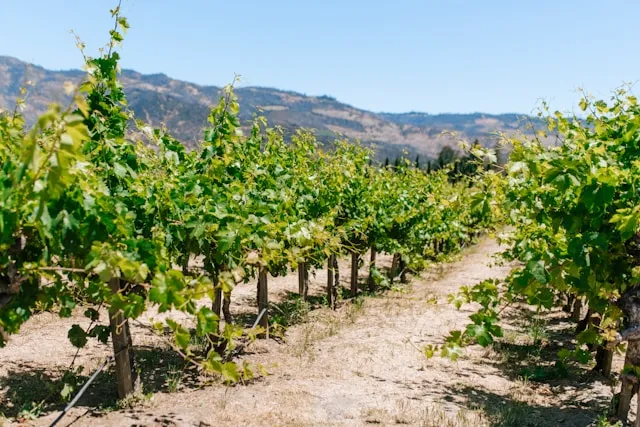
Napa Valley dominates California wine tourism. Over 400 wineries range from massive operations like Mondavi to small family estates producing 2,000 cases annually.
Cabernet Sauvignon defines Napa. The valley's warm days and cool nights from fog create ideal growing conditions.
Highway 29 runs through the valley floor past the biggest names. Silverado Trail parallels it with less traffic and smaller wineries. Yountville, St. Helena, and Calistoga offer different atmospheres.
Yountville has the most restaurants per capita in the US. St. Helena provides small-town charm. Calistoga adds hot springs and spa options.
Harvest runs late August through October. Crush operations are visible during this period. Spring (March-May) brings wildflowers and fewer crowds.
Sonoma
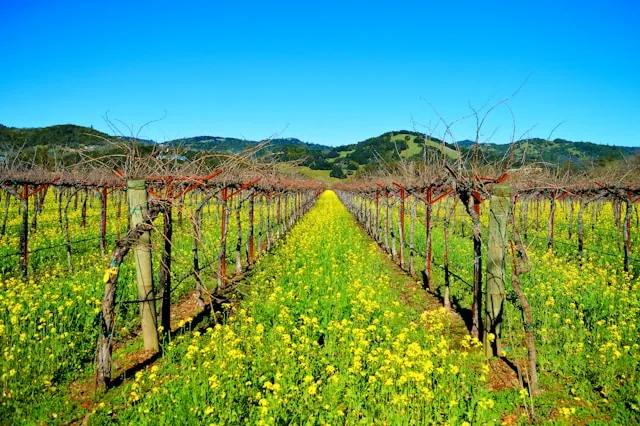
Sonoma sits west of Napa with more diversity. Multiple sub-regions—Russian River, Dry Creek, Alexander Valley—grow different varieties.
Pinot Noir thrives near the coast. Zinfandel dominates Dry Creek. Chardonnay grows throughout the region.
Sonoma feels less polished than Napa. Tasting rooms are simpler, prices are lower, and you encounter winemakers themselves more often.
Healdsburg sits at the center of Sonoma wine country with good restaurant options and easy access to multiple valleys
Bordeaux
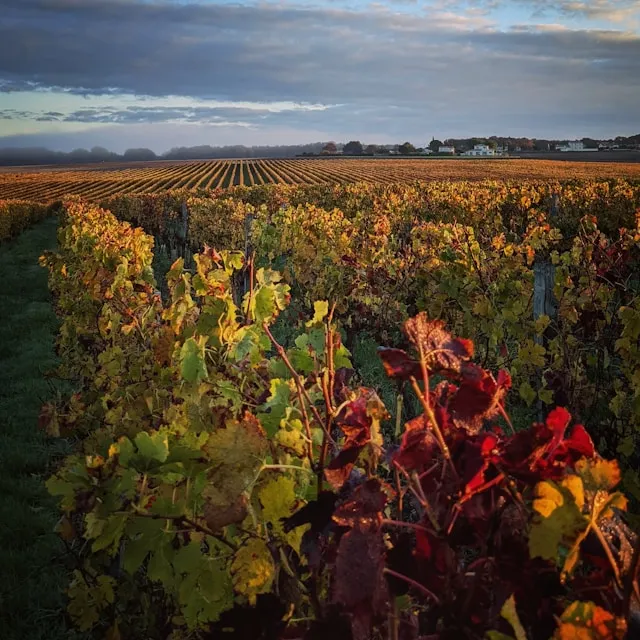
Bordeaux produces some of the world's most expensive wines. Left Bank (Médoc) grows Cabernet-dominant blends. Right Bank (Pomerol, St-Émilion) favors Merlot.
Châteaux range from first-growth properties that require advance booking months ahead to smaller producers who welcome walk-ins.
Wine tourism here operates formally. Appointments are expected. Prices reflect the wine's reputation—expect to pay €30-100 per tasting at serious estates.
The city of Bordeaux provides a base with good transport to surrounding appellations. Cité du Vin offers wine education without vineyard travel.
September-October brings harvest. June-July provides warm weather without tourist crowds
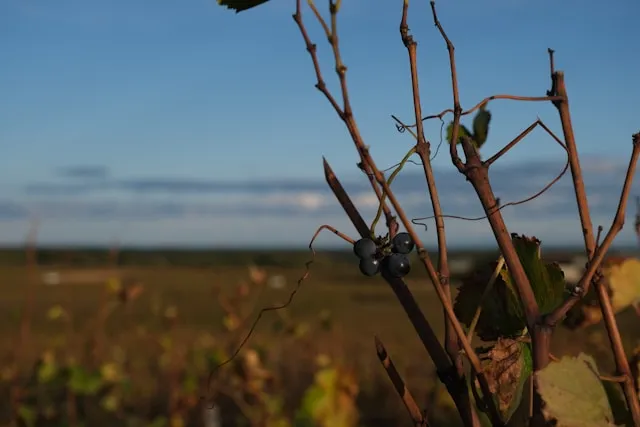
Burgundy
Burgundy splits into small climats—specific vineyard plots with distinct characteristics. Understanding Burgundy requires tasting from multiple producers in the same village.
Côte de Nuits grows primarily Pinot Noir. Côte de Beaune produces both Pinot Noir and Chardonnay.
Beaune serves as the regional center with wine shops selling from multiple producers. Staying here provides access to both Côte de Nuits and Côte de Beaune.
Visiting Burgundy requires more planning than other regions. Small producers open by appointment only. Packages handle coordination across multiple small estates.
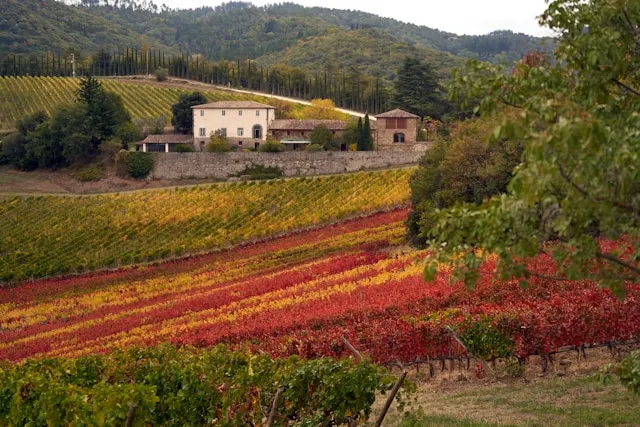
Tuscany
Tuscany combines wine with art, food, and countryside that looks exactly like the paintings.
Chianti Classico defines the region—Sangiovese-based wines from specific zones. Montalcino produces Brunello. Montepulciano makes Vino Nobile.
Wineries here are often part of larger estates with olive groves, restaurants, and accommodation. Multi-day stays at a single property work well.
Florence and Siena provide urban bases. Small towns like Greve, Panzano, and Castellina in Chianti offer vineyard proximity.
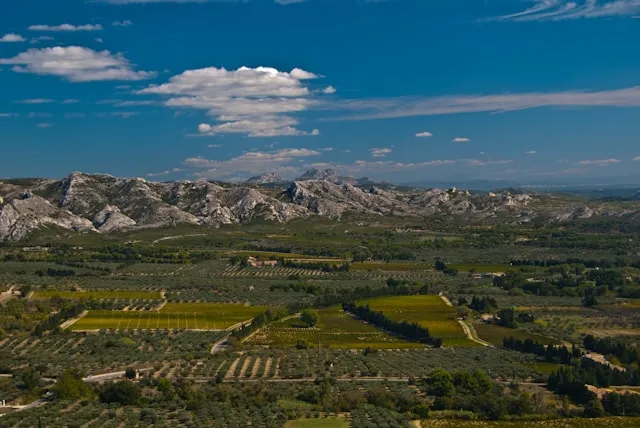
Rioja
Rioja in Spain produces age-worthy Tempranillo. Traditional bodegas age wines in American oak, giving them distinctive vanilla and coconut notes.
The region splits into three sub-zones. Rioja Alavesa produces lighter wines. Rioja Alta makes structured wines. Rioja Baja provides warmer conditions.
Haro hosts multiple historic bodegas within walking distance of each other. You can visit 3-4 in a day without driving.
Logroño offers more accommodation options and restaurants. It's less picturesque than smaller towns but more practical for multi-day stays.
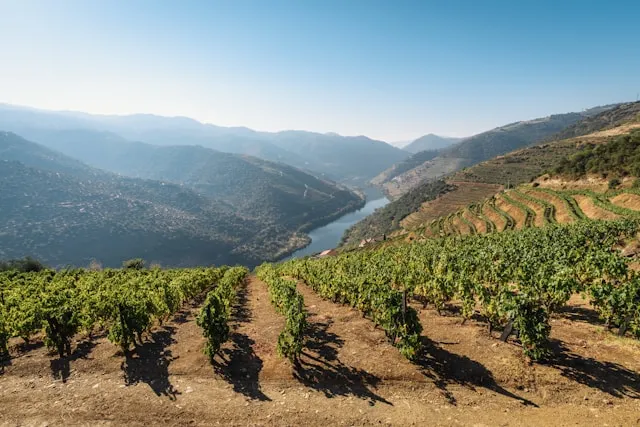
Douro Valley
Douro Valley in Portugal grows grapes for Port wine, but table wine production has expanded significantly.
Steep hillsides with terraced vineyards create dramatic landscapes. River cruises provide one way to see the valley, but land-based tours allow vineyard visits.
Quintas (wine estates) often include accommodation. Staying at a quinta means immersion in wine production.
Porto provides city access at the valley's western end. The town of Pinhão sits in the valley's center.
September brings harvest and the most activity. Spring offers green hillsides and fewer tourists.
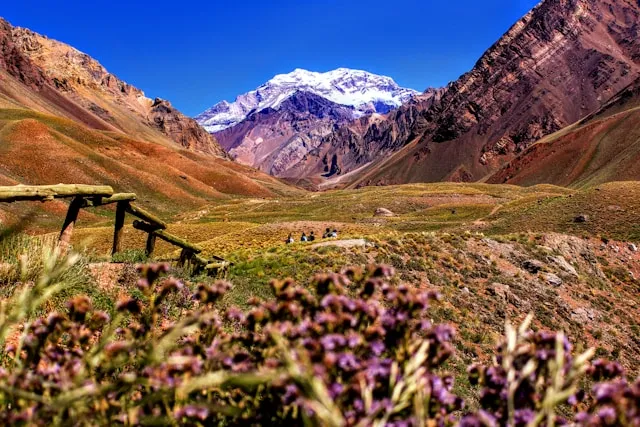
Mendoza
Mendoza in Argentina sits at the base of the Andes. High altitude (3,000+ feet) creates intense sunlight and temperature swings.
Malbec dominates. Argentine Malbec tastes different from French—riper, with more fruit character.
Wineries cluster in several areas around Mendoza city. Maipú and Luján de Cuyo are closest. Uco Valley sits farther south at higher elevations.
Many wineries offer full restaurant service. You can spend entire days at single estates eating and tasting without rushing to the next stop.
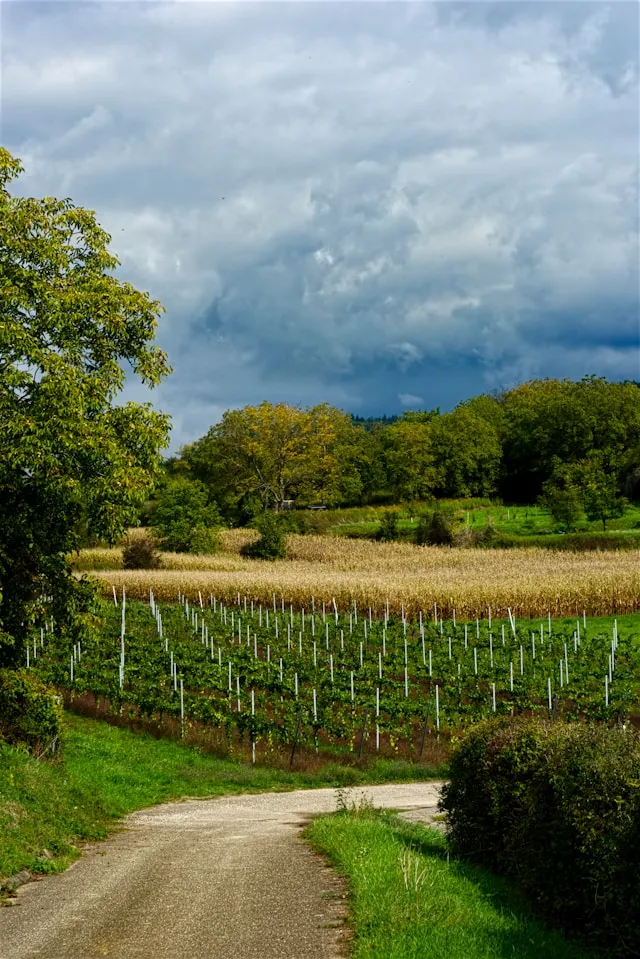
Marlborough
Marlborough in New Zealand's South Island grows exceptional Sauvignon Blanc. The region produces about 75% of New Zealand's wine.
Wineries concentrate near Blenheim. You can visit multiple estates by bike if you pace yourself.
Beyond Sauvignon Blanc, Pinot Noir shows promise in cooler sites. Riesling and aromatic whites also succeed here.
Accommodation options are limited compared to European wine regions. Blenheim has the most choices
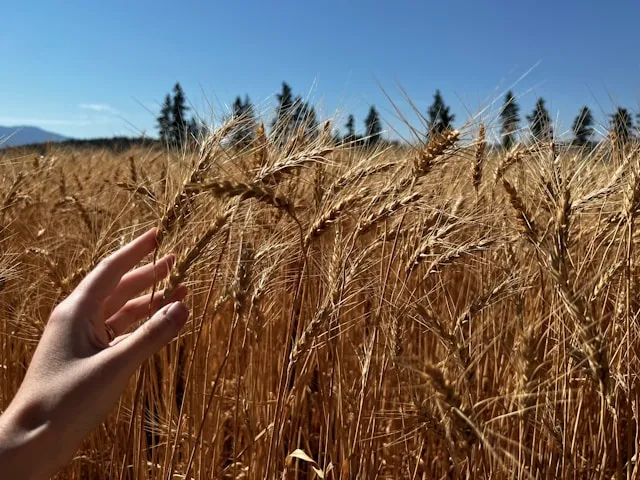
Harvesting
Crush operations are visible. Winemakers are exhausted and less available. Vineyards are busy. Some tours are restricted during active harvest.
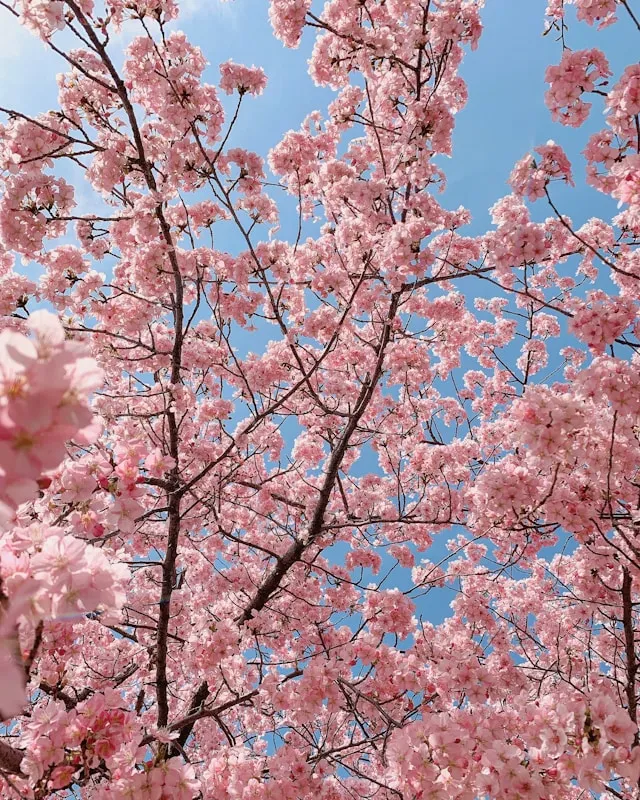
Spring
Vines leaf out. Weather improves. Crowds are smaller than summer. Winemakers have more time for visitors.
Summer
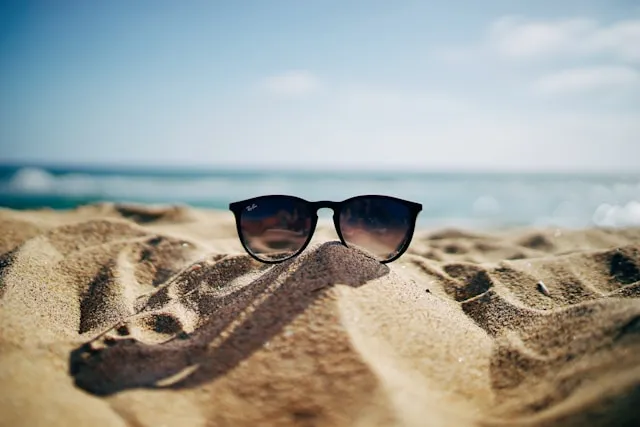
Warmest weather. Vines are full and green. Tourist crowds peak. Accommodation costs more. Book farther in advance.
Winter
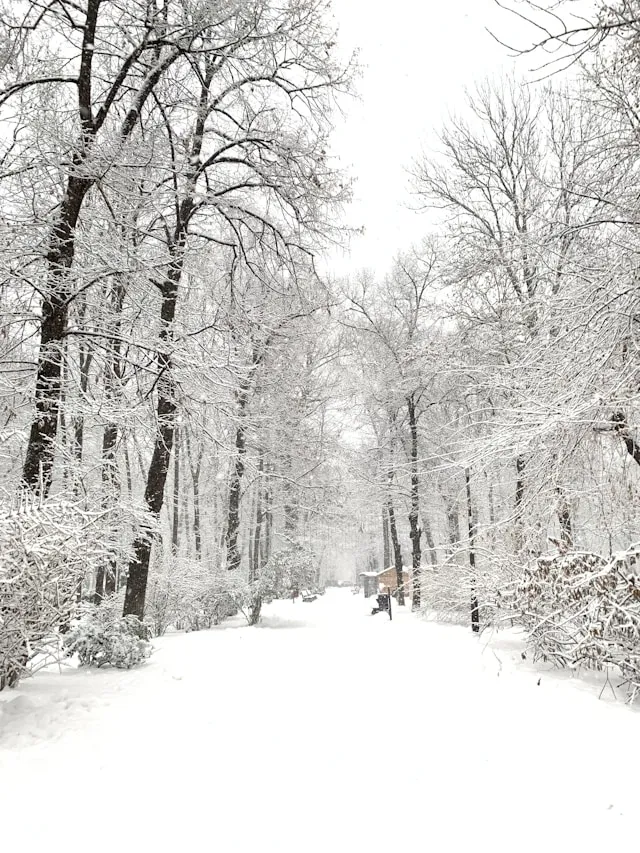
Fewer tourists. Lower prices. Wineries have the most time for education-focused visits. Vineyards look dormant but cellar work continues.
Tasting room hours
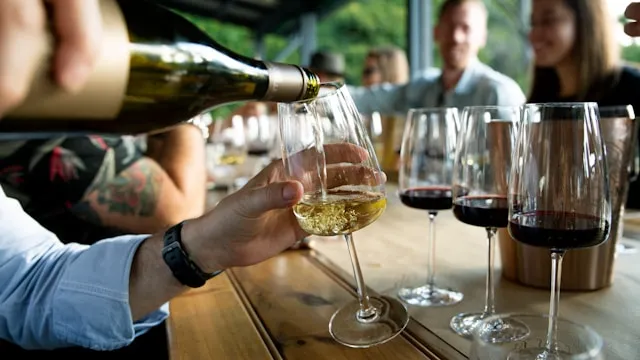
Most wineries close Mondays and Tuesdays. Friday through Sunday sees the most visitors. Midweek visits provide quieter experiences.
Should you book a package or plan independently?
Packages work better when
You're visiting regions where reservations are mandatory, language barriers exist, or transportation is complex. Bordeaux, Burgundy, and Douro Valley benefit from pre-arranged logistics.
Navigation and timing
Packages eliminate navigation stress and optimize schedules. You taste wine instead of checking Google Maps.
Self-planning works when
You visit accessible regions like Napa, Sonoma, or Marlborough where many wineries welcome walk-ins. You have specific wineries in mind and want flexible timing. You're experienced with wine regions and prefer independence.
Access to small producers
Some estates only open through tour companies or with professional guide introduction.
What’s Included in a Wine Tour Package
Wine-focused travel combines vineyard visits with logistics that make multiple tastings manageable.

Private transportation
You can't drive yourself between wineries if you're tasting wine. Packages include drivers who know the routes and timing.
Pre-arranged winery visits
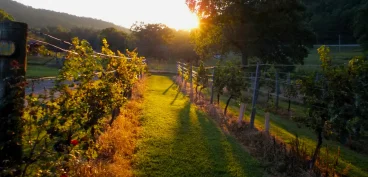
Many estates require reservations, especially smaller producers. Packages book these in advance and confirm availability.
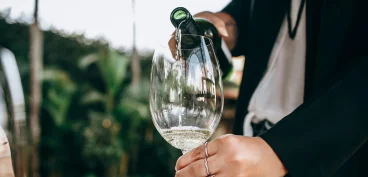
Wine education sessions
Guided tastings with sommeliers who explain what you're drinking—terroir, winemaking techniques, vintage variations
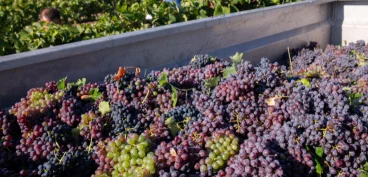
Vineyard tours
Walking through vines during different seasons, seeing crush operations during harvest, touring barrel rooms and cellars.

Food pairings
Lunch at wineries that grow their own produce, cheese tastings that complement local wines, dinners at restaurants known for wine programs.
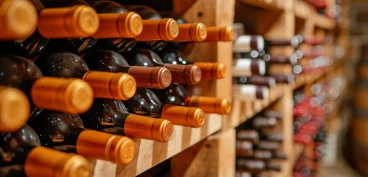
Wine shipping coordination
Buying directly from wineries means better prices and limited releases. Packages arrange shipping to your home state if legally permitted.

Accommodation near wine regions
Staying in the middle of wine country beats commuting from cities an hour away
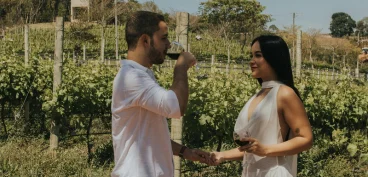
What's not included
All wine purchases beyond tastings, gratuities for winery staff, and alcohol during nonwine meals
Successful wine tours require realistic planning.

Pace yourself
Three to four wineries per day works better than six to eight. You'll remember what you tasted and enjoy conversations with winemakers.
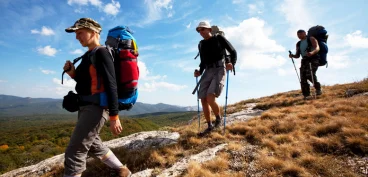
Include non-wine activities
Even wine enthusiasts need breaks. Plan hikes, museum visits, or spa time between tasting days.
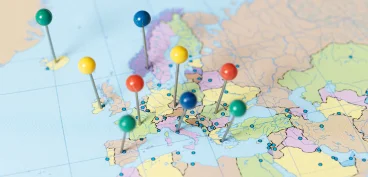
Book accommodations strategically
Staying in one location for multiple nights beats moving daily. Choose a central base that accesses multiple sub-regions.
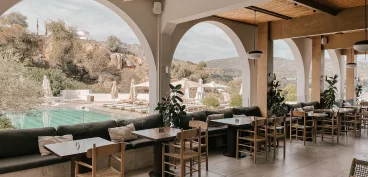
Consider dining options
Some wine regions have excellent restaurants. Others offer limited choices. Research food options before booking accommodation in remote areas.
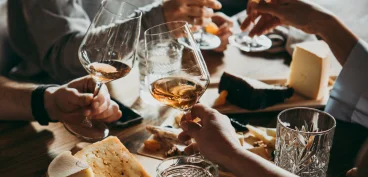
Ship wine home rather than flying with it
Checked luggage breaks bottles. Shipping costs money but your wine arrives intact. Many states restrict wine shipments. Check local laws before buying cases.
If wine tours interest you, consider:
Start planning your wine tour by selecting regions that produce wines you already enjoy drinking. Still have questions? Contact our team on support@mundotrip.com.
Related Packages: Wine Country Vacation Packages, Gluten-Free Friendly Vacation Packages, Culinary Tour Packages, Beach Vacation Packages, All-Inclusive Vacation Packages, Budget Vacation Packages, Island Vacation Packages, Mountain Vacation Packages, Desert Vacation Packages, Cultural Tour Packages
Do I need to be a wine expert to enjoy wine tours?
Are wine tours appropriate for non-drinkers in the group?
Can I ship wine purchases back to the US?
Are wine tour packages family-friendly?
Do wine tours include meals?
How much wine tasting happens on wine tours?
What should I wear on wine tours?
How far in advance should I book wine tours?
What's the best wine region for beginners?
Can I visit wineries without booking a tour package?


Got Questions? Call us 24/7!
1-866-331-1746
Email for Us!
support@mundotrip.com
35 Journal Square Suite 424, Jersey City, NJ 07306






Copyright © 2026 Mundo Trip registered in New Jersey, United States Of America



