


 17 Sep, 2026
American Airlines May Relaunch Los Angeles–Singapore Flights
17 Sep, 2026
American Airlines May Relaunch Los Angeles–Singapore Flights
MundoTrip | Travel News | 1 June, 2026
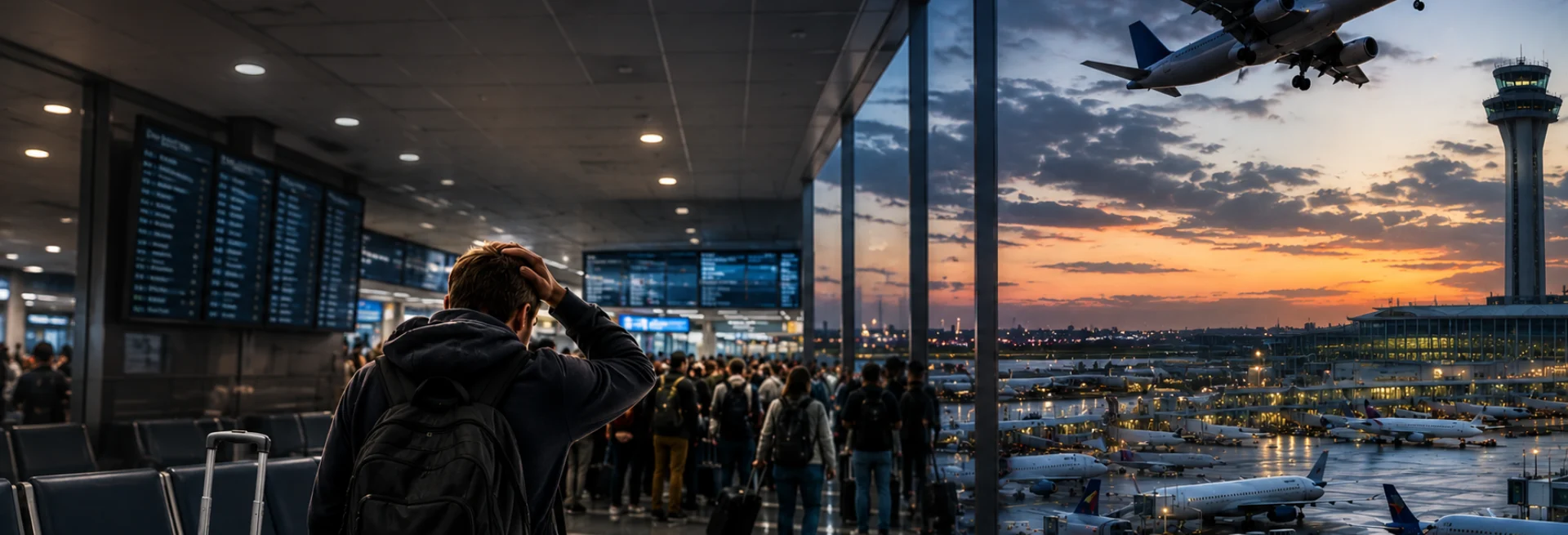
Thousands of travelers across the United States are facing significant travel disruptions after a widespread wave of flight delays and cancellations impacted some of the country’s busiest airports, creating long waits, missed connections, and schedule uncertainty during a high-demand travel period. Major hubs, including Dallas-Fort Worth, Atlanta, Denver, Charlotte, Boston, Newark, and Nashville, experienced operational disruptions as airlines struggled with severe weather conditions, air traffic management restrictions, and increased passenger volumes. Flight-tracking data and airport reports showed thousands of delays and more than one hundred cancellations spreading across airline networks, affecting carriers such as American Airlines, United Airlines, Delta Air Lines, Republic Airways, Endeavor Air, and several regional operators. Aviation experts say disruptions at large hub airports can quickly create ripple effects throughout the national air travel system, impacting passengers far beyond the cities where delays originally begin.
Dallas-Fort Worth International Airport and Atlanta Hartsfield-Jackson International Airport were among the airports experiencing some of the most significant disruption levels. Severe thunderstorms, heavy rainfall, and weather-related air traffic restrictions forced airlines to adjust schedules throughout the day, resulting in widespread delays and cancellations. Dallas, one of American Airlines’ largest hubs, saw substantial operational challenges as aircraft rotations and connecting flights were affected by changing weather conditions. Atlanta, the busiest airport in the United States by passenger volume, also experienced delays that spread throughout domestic and international networks. Travel industry analysts note that disruptions at major hubs like Dallas and Atlanta often affect travelers nationwide because thousands of connecting passengers move through these airports every day.
Newark Liberty International Airport remained one of the most heavily impacted airports as operational challenges continued affecting flight schedules. Travelers passing through Newark faced delays linked to a combination of weather concerns, air traffic control restrictions, and ongoing congestion issues that have periodically affected the airport in recent months. Because Newark serves as a major gateway for United Airlines and international travel, disruptions there can affect flights throughout the East Coast and beyond. Aviation experts continue encouraging travelers using Newark to closely monitor airline notifications and allow additional time for schedule changes during busy travel periods.
The impact extended well beyond a few major hubs. Denver International Airport, Charlotte Douglas International Airport, Boston Logan International Airport, and Nashville International Airport all reported delays and operational disruptions that affected arriving and departing passengers. These airports serve as important connection points for domestic travel, making disruptions particularly challenging for travelers with tight connections or multi-city itineraries. Industry observers note that even relatively short delays at major hubs can create larger scheduling problems throughout airline networks when aircraft and crews are unable to remain on schedule.
Unlike disruptions caused by airline-specific operational issues, this wave of delays affected multiple carriers simultaneously. American Airlines, United Airlines, Delta Air Lines, Republic Airways, Endeavor Air, and several regional operators all experienced schedule impacts as weather systems and air traffic restrictions spread across key travel corridors. Flight-tracking services showed delays accumulating throughout the day as airlines worked to reposition aircraft, manage crew schedules, and recover from earlier disruptions. Travel analysts say the situation highlights how interconnected airline operations have become, especially during peak travel seasons when aircraft utilization remains high and schedules leave limited room for unexpected interruptions.
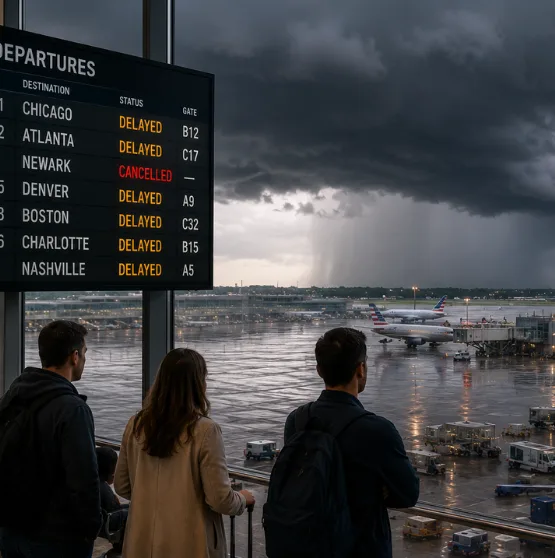
How Severe Weather Disruptions Impact Airline Operations and Passenger Travel
Weather remains one of the leading causes of airline disruptions across the United States, particularly during the summer travel season when thunderstorms, strong winds, and rapidly changing weather conditions become more common. Federal Aviation Administration traffic management programs are often implemented when severe weather affects busy airspace, forcing airlines to delay departures, reroute flights, or temporarily reduce airport traffic flow. Aviation experts explain that these restrictions are designed to maintain safety while helping air traffic controllers manage aircraft during challenging operating conditions. Although weather-related disruptions can be frustrating for travelers, safety remains the primary reason airlines and aviation authorities make operational adjustments during severe weather events
Passengers with connecting itineraries are often the most affected during widespread delay events. Missed connections, overnight schedule changes, baggage delays, and limited rebooking options can become major challenges when disruptions spread across multiple airports simultaneously. Travelers moving through large hubs such as Dallas, Atlanta, Newark, Charlotte, and Denver may experience longer wait times as airlines work to accommodate affected passengers. Travel specialists recommend monitoring flight status updates regularly, reviewing alternative routing options, and maintaining flexibility whenever possible during periods of severe disruption.
The disruptions arrive during one of the busiest travel periods of the year as millions of Americans continue planning vacations, family visits, business trips, and holiday travel. Airports across the country are handling elevated passenger volumes, making recovery from delays more difficult when severe weather or operational challenges occur. Industry analysts say strong domestic travel demand continues placing pressure on airline schedules, airport operations, and air traffic control systems, particularly at major hubs where passenger volumes remain high throughout the summer season.
Travel experts recommend that passengers flying during active disruption periods closely monitor airline apps, check airport alerts, review gate changes, and verify flight status before leaving for the airport. Travelers with connecting itineraries should also explore alternative flight options when possible and remain aware that delays at one major hub can affect flights across the country. Having flexible travel plans, updated airline notifications, and backup routing options can help reduce stress when large-scale disruptions occur.
For travelers across the United States, the latest disruption wave serves as another reminder of how quickly weather and operational challenges can affect national airline networks. Because airports such as Dallas, Atlanta, Newark, Denver, Charlotte, and Boston serve as critical aviation hubs, delays in one region can quickly spread across multiple states and airlines. As summer travel demand remains strong, passengers should expect occasional operational challenges and stay informed about flight conditions before departure. While airlines continue working to improve recovery times during major disruptions, travelers who prepare ahead and monitor updates closely are often better positioned to navigate unexpected schedule changes.
Travelers flying through major hubs, including Dallas, Atlanta, Newark, Denver, Charlotte, Boston, and Nashville, should check flight status frequently and allow additional time for possible delays during active weather periods. Passengers with connections should monitor rebooking options and airline notifications closely. For flight assistance, itinerary adjustments, and last-minute travel support, MundoTrip offers 24x7 travel assistance to help travelers manage unexpected disruptions and changing schedules.
 17 Sep, 2026
American Airlines May Relaunch Los Angeles–Singapore Flights
17 Sep, 2026
American Airlines May Relaunch Los Angeles–Singapore Flights
 17 Sep, 2026
Delta Expands U.S. Routes With New Winter Flights in 2026
17 Sep, 2026
Delta Expands U.S. Routes With New Winter Flights in 2026
 17 Sep, 2026
Frontier Adds Cancel for Any Reason Flight Option
17 Sep, 2026
Frontier Adds Cancel for Any Reason Flight Option
 14 Sep, 2026
Delta Cuts 3 New York Routes for Winter 2026–27
14 Sep, 2026
Delta Cuts 3 New York Routes for Winter 2026–27
 14 Sep, 2026
Delta Adds Live NFL Sports Streaming to International Flights
14 Sep, 2026
Delta Adds Live NFL Sports Streaming to International Flights


Got Questions? Call us 24/7!
1-866-331-1746
Email for Us!
support@mundotrip.com
35 Journal Square Suite 424, Jersey City, NJ 07306






Copyright © 2026 Mundo Trip registered in New Jersey, United States Of America